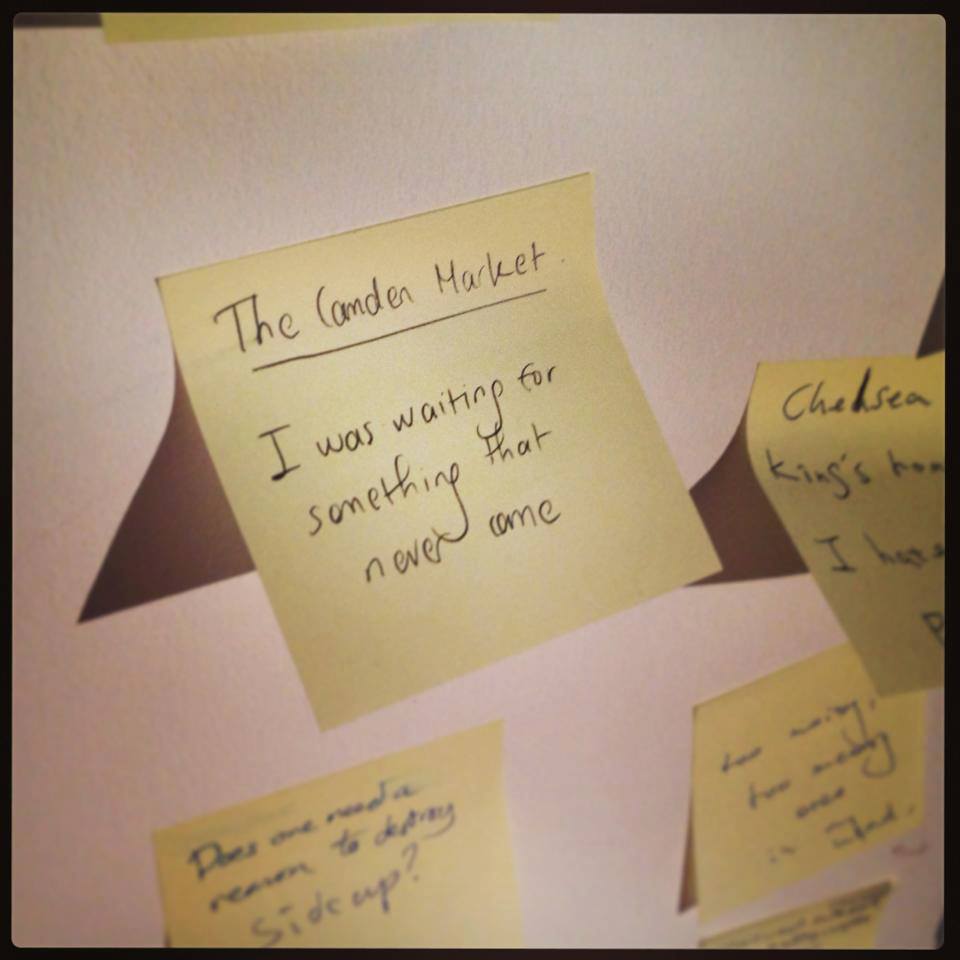
In May 2013, Anonymous demolished Camden Market. Her reason was:
I was waiting for something that never came.
In May 2013, Anonymous demolished Camden Market. Her reason was:
I was waiting for something that never came.
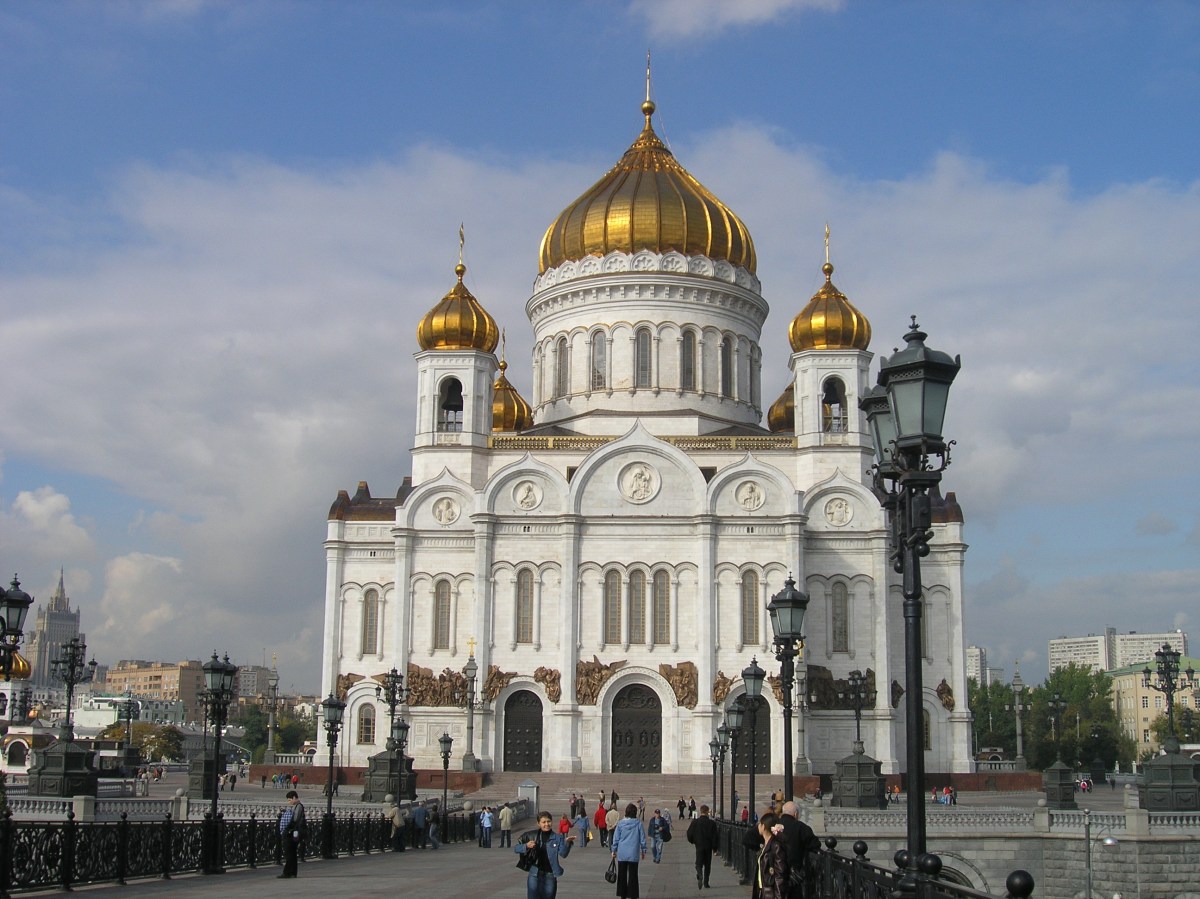
Can you think of any buildings that were demolished to build something instead and then later were built anew? Cathedral of Christ the Saviour in Moscow is probably the brightest example.
Can you think of any buildings that were demolished in order to build something instead and then were built anew some time later? Cathedral of Christ the Saviour in Moscow is probably the brightest example.
The cathedral was commissioned to commemorate the victory of Russian nation over Napoleon in 1812. It took more than 40 years to be built and became the most important Orthodox church of the Russian State. During the Soviet era, when hundreds of churches were destroyed to proclaim a new, atheist communist state, the Cathedral became no exception. Moreover, not only was it doomed to be demolished, but it was also to be replaced by the grand Palace of the Soviets. An old ideological symbol was to be replaced by the another symbol of the new utopia.


On the 5th of December 1931 two explosions destroyed the Cathedral of Christ the Saviour. However, the beginning of the World War stopped the construction works and in 1956, when Stalin was already dead and the contextual frame totally changed, the idea of constructing the Palace of the Soviets was abolished. Instead, paradoxically, in 1960 a huge outdoors swimming pool ‘Moscow‘ was opened on the site of the cathedral. My grandmother told me they were going there every weekend. The view of it, all surrounded with the steam on a Sunday winter morning, must have been pretty surreal.


In 1991 the Soviet Union stopped to exist and, as a symbolic act of reincarnating Russia, the decision was made to restore the Cathedral of Christ the Saviour. Already in 1996 the first sermon was held in the cathedral and here it stood peacefully as a hundred years ago – as if nothing has happened.
It was, however, already charged with that energy of turmoil and ideological shifts. So probably it is no surprise that it was here that on the 21st of February 2012 the Pussy Riot group made an action called ‘Punk Prayer’ which led to their imprisonment and provoked wide resonance in Russia and abroad. Thus, the Cathedral acquired its new layer of history as it often today referred to among locals as ‘Pussy Riot Cathedral’ or the main Moscow dancefloor.
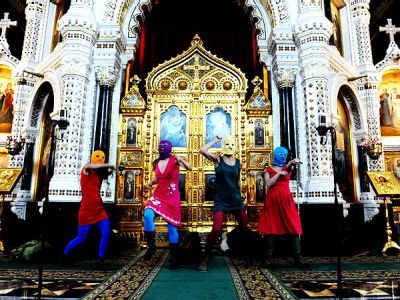
It is impressive how buildings can be wiped off or reconstructed so easily when big ideologies are at work. Who knows what will be on site of the Cathedral of Christ the Saviour in a hundred years time?..
In October 2013, Ursula demolished Oxford Street as a shopping centre and replaced it with a giant aquarium running the entire length. She summed up her actions:
Oxford St. –> Shit.
Aquarium instead
In a longer conversation, we talked about transforming people’s lives away from consumer society to the beauty and calm of watching marine life or perhaps swimming the from Tottenham Court Road to Marble Arch.
Subsequently, I discovered that in 1954 there had been a scheme to build glass-bottomed canals and swimming pools above the pedestrianised roads of Soho, but it came to nothing until Ursula’s imaginative intervention found the right place to realise this visionary transformation, in the neighbouring shopping street.
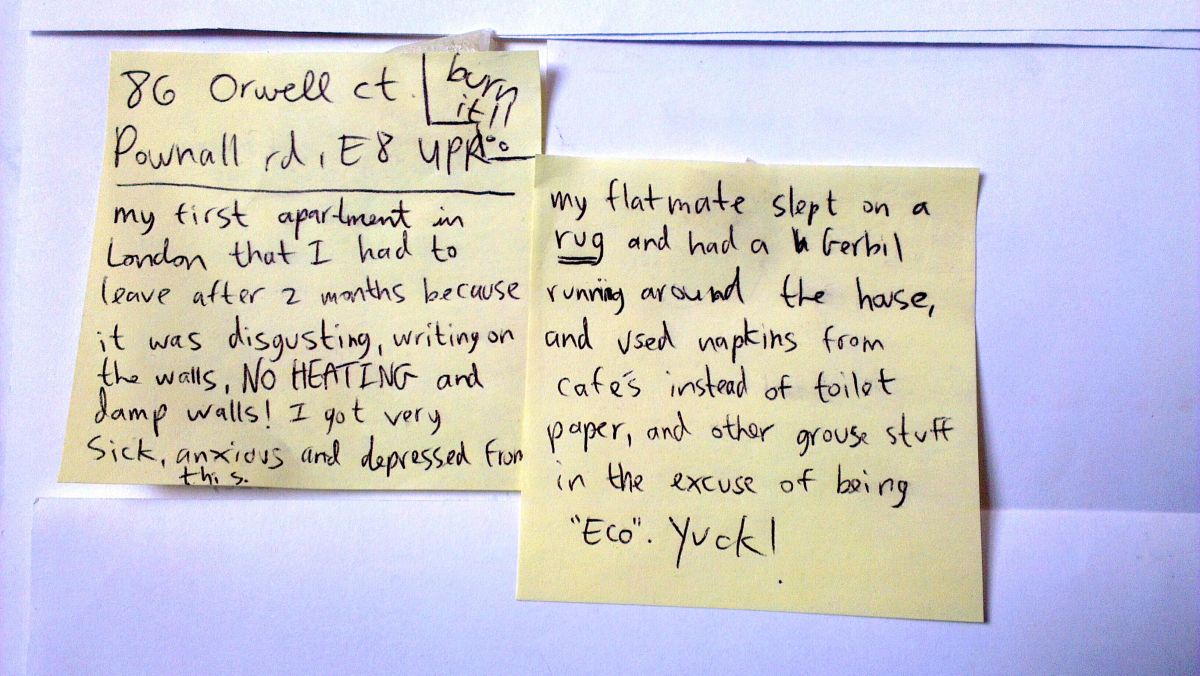
In June 2013, Anonymous burned down 86 Orwell Court, Pownall Road E8 because it was:
My first apartment in London that I had to leave after 2 months because it was disgusting, writing on the walls, NO HEATING and damp walls! I got very sick, anxious and depressed from this.
My flatmate slept on a rug and had a Gerbil running around the house, and used napkins from cafés instead of toilet paper, and other grouse stuff in the excuse of being “Eco”. Yuck!
According to Lenin: ‘Religion is opium for the people’. Thus, religion was banned during Soviet era and most of the churches either destroyed or reused. Furthermore, some of them became home for museums of atheism.
According to Lenin: ‘Religion is opium for the people’. Thus, religion was banned during Soviet era and most of the churches were either destroyed or reused as factories, storages, schools or even prisons. Some of them even housed museums of atheism.
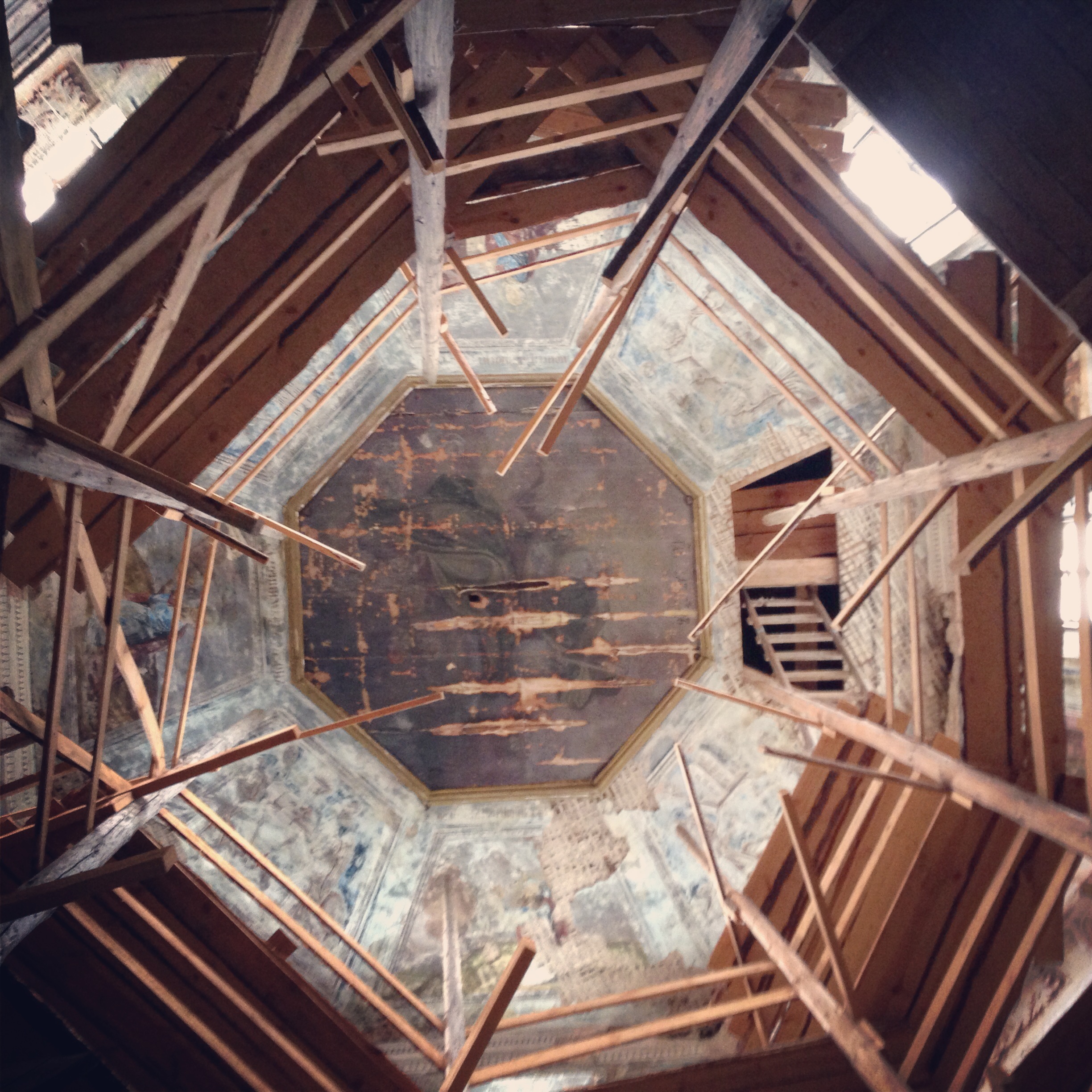
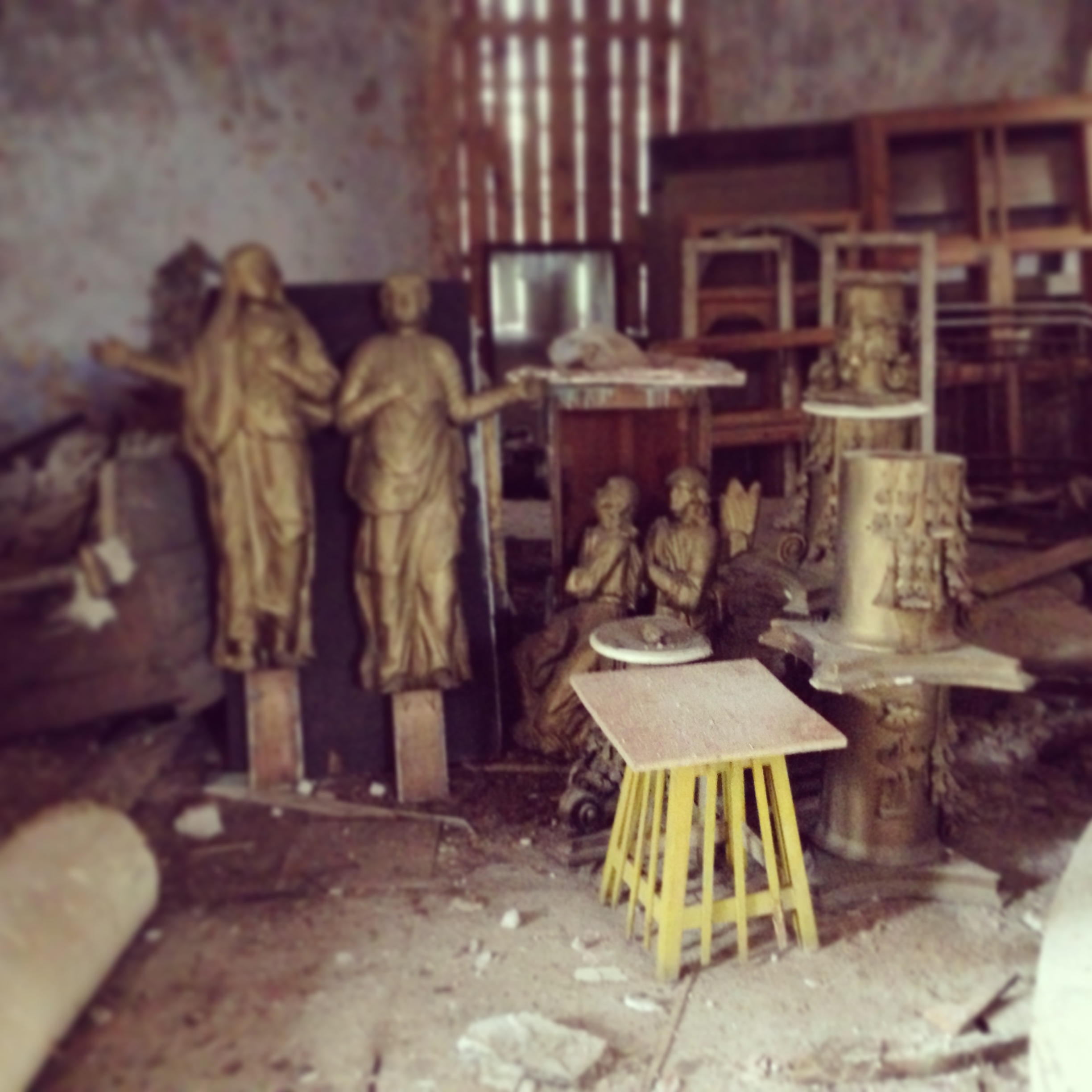
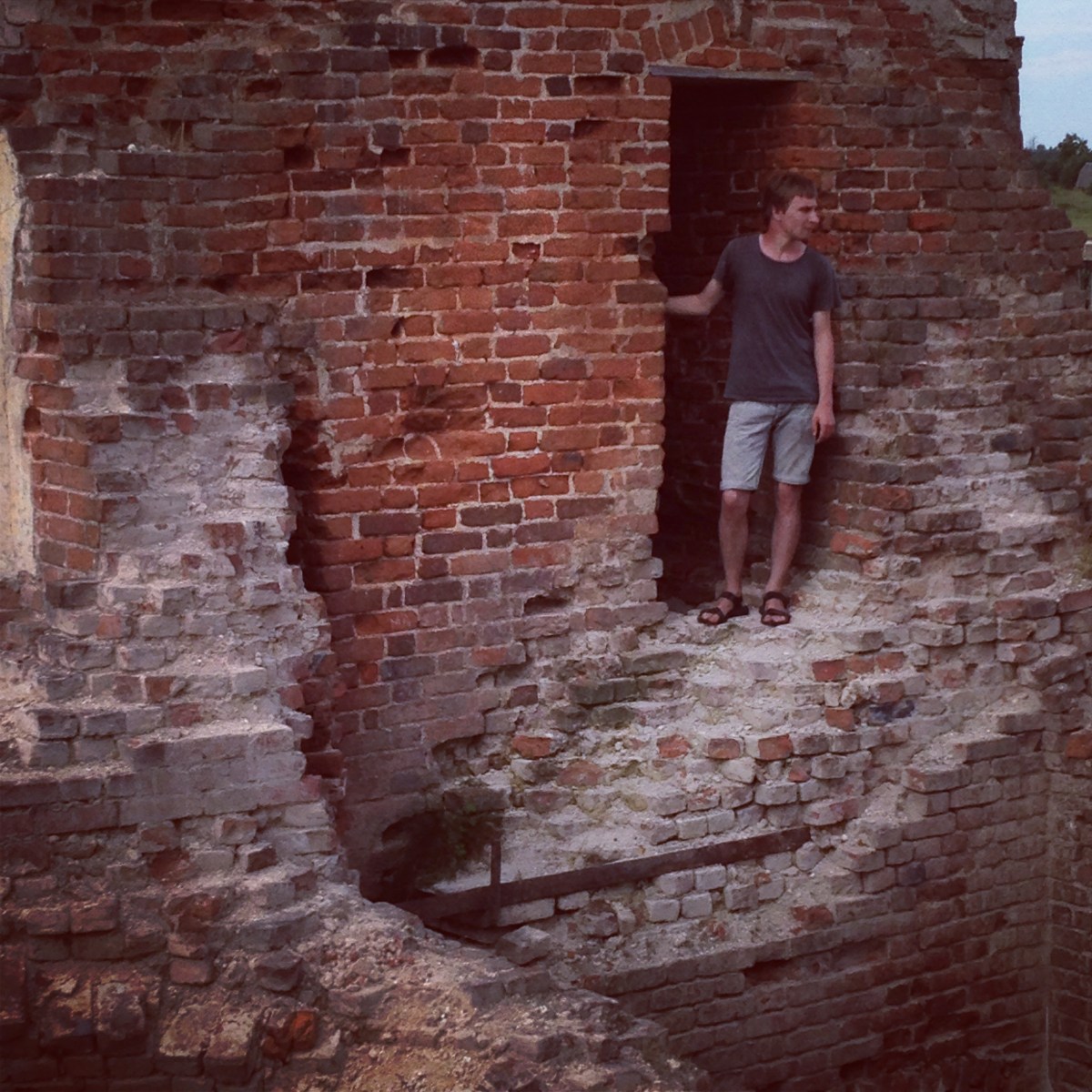
Despite recent aggressive revival of the church in Russia, there are still some abandoned ruined churches to be found all around Russia.




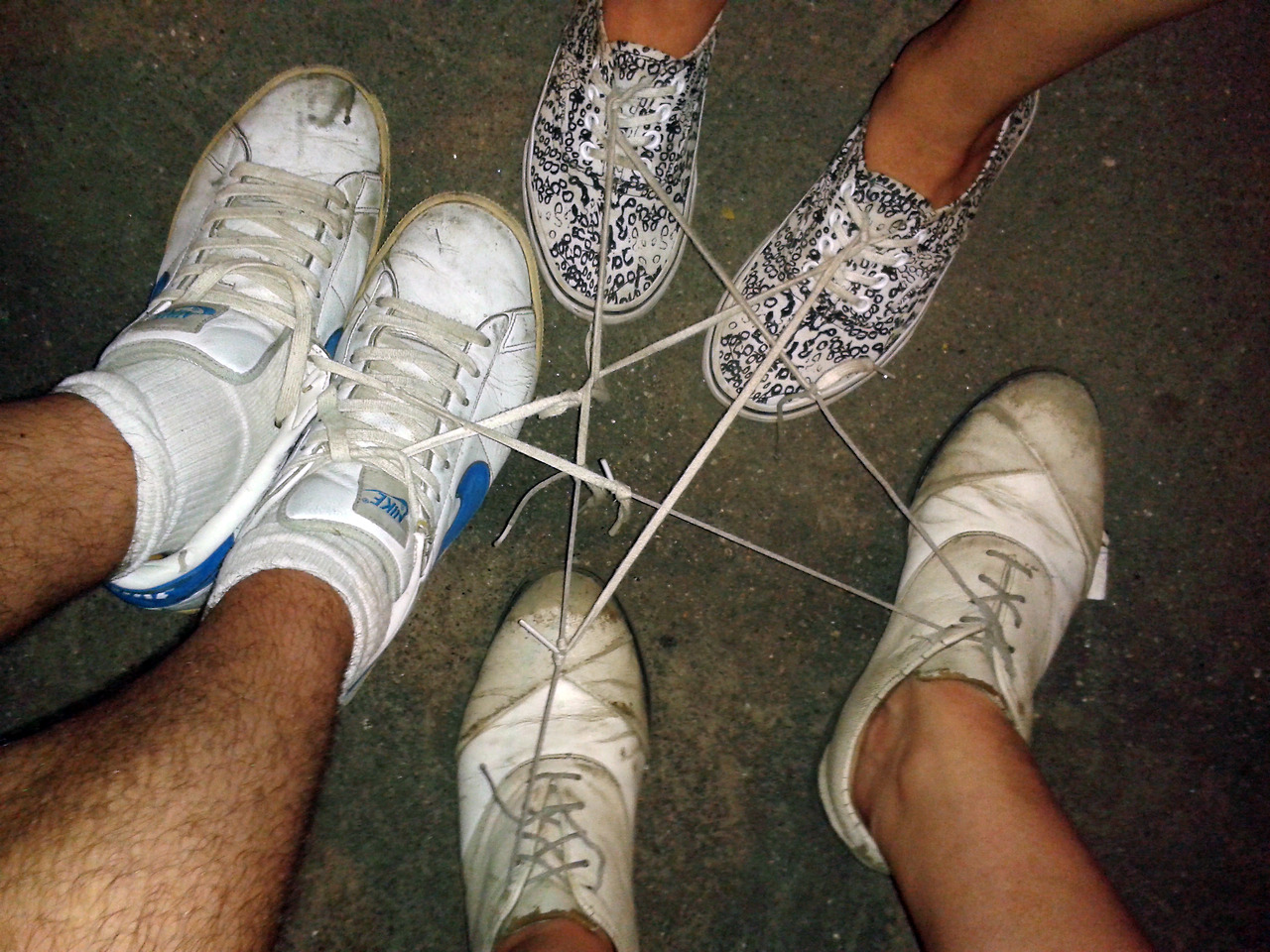
Have you ever tried simply to walk out of your house and keep walking in a straight line through your city? Imagine how many obstacles you will meet: roads, authorities, fences, closed doors, rivers and forests. Recently a Russian artist Anastasia Ryabova has explored this topic by organizing a ‘Star Road’ expedition, where the participants were invited to walk through the city recreating the shape of a star.
Have you ever tried simply to walk out of your house and keep walking in a straight line through your city? Imagine how many obstacles you would meet: roads, authorities, fences, high walls, closed doors, rivers, ponds and forests. Recently a Russian artist Anastasia Ryabova has explored this topic by organising a ‘Star Road’ expedition, where the participants were invited to walk through the city recreating the shape of a star.
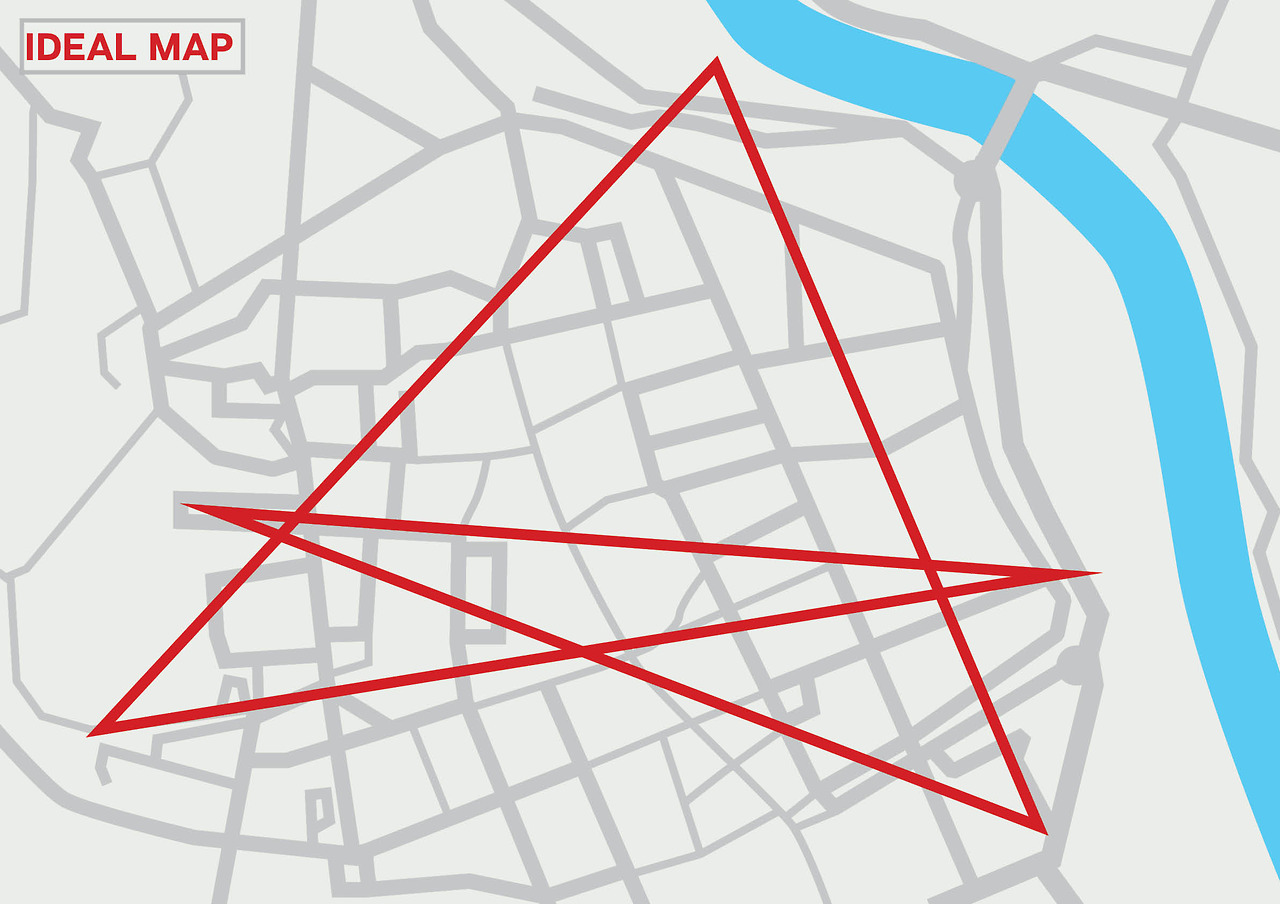
When I say ‘through’ I do literally mean it. The emphasis in the project, a bit similar to the urban practice of parkour, is on the physicality of the experience of the city with your own body. Also, it is not simply a spontaneous act of walking through the city following a certain pattern but is an expedition which is researched into and prepared well in advance. It engages with the history, the structure, the bureaucracy and the authorities of the city. Thus, it offers a new experience and engagement with the city.
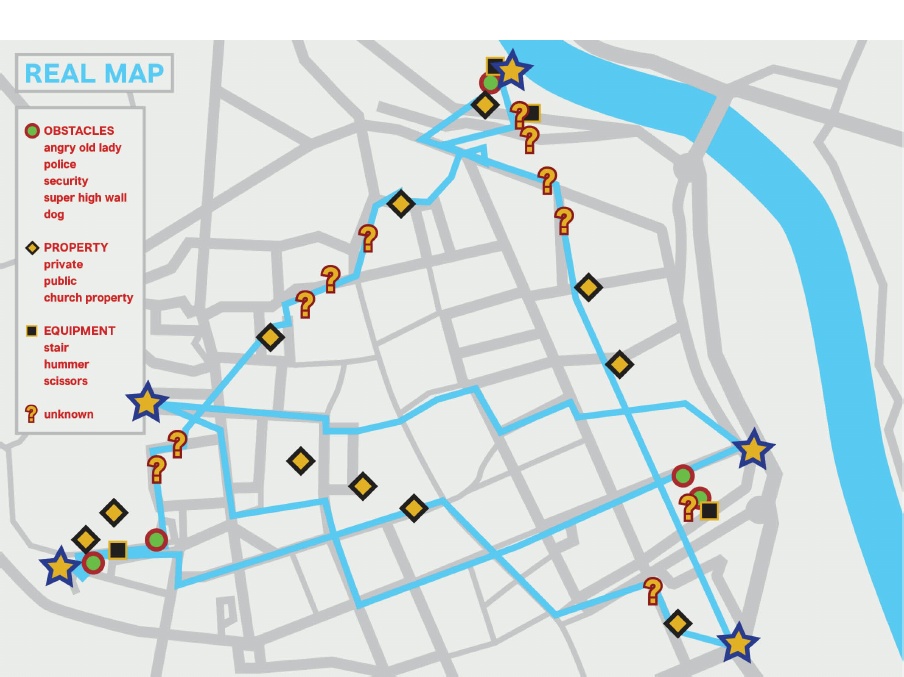
As Anastasia puts it in her own words:
The Star Road is a heroic expedition, which aims to carve out a new route over existed urban landscapes. A group of pioneers will overcome all kind of obstacles, and walk through existing concrete/administrative barriers. This new street will be inspired by the form of a star.
You can also follow it on Facebook
More than 1 200 people used to seat in this huge hall. And now it is totally abandoned with only a giant chandelier hanging in the middle. The round stage itself has apocalyptically fallen down.
More than 1 200 people used to seat in this huge hall. And now it is totally abandoned with only a giant chandelier hanging in the middle. The round stage itself has apocalyptically fallen down.
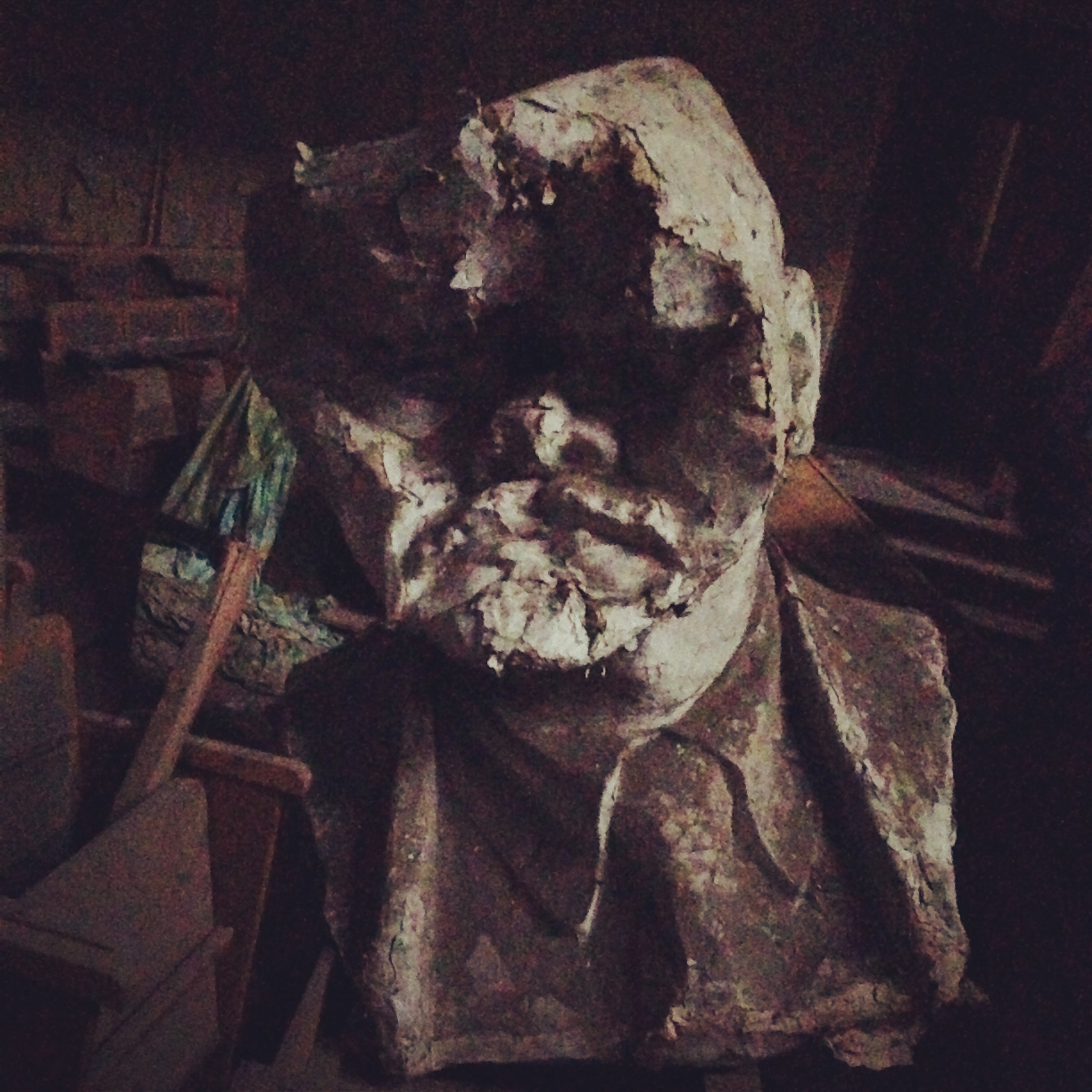
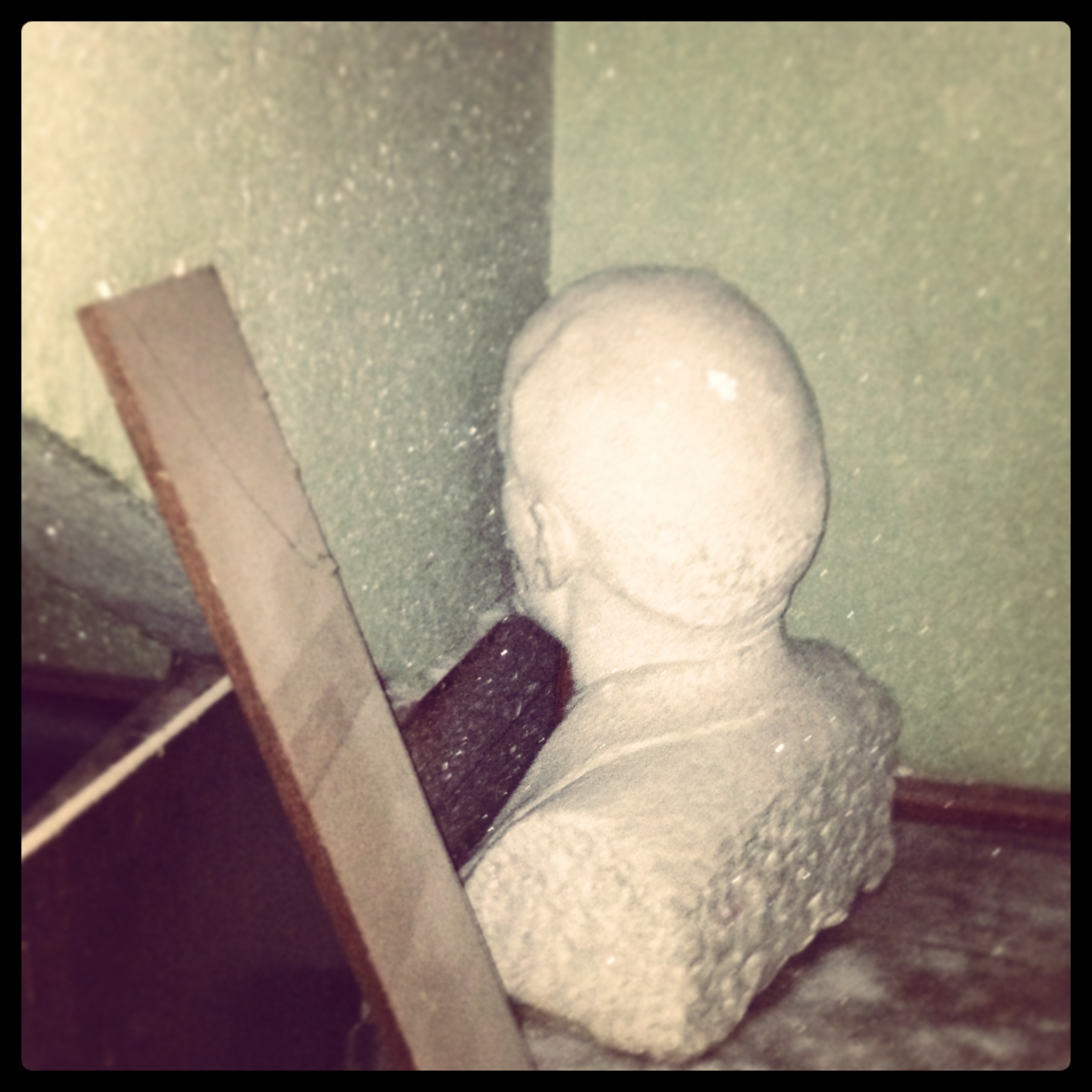
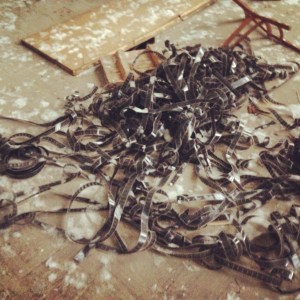
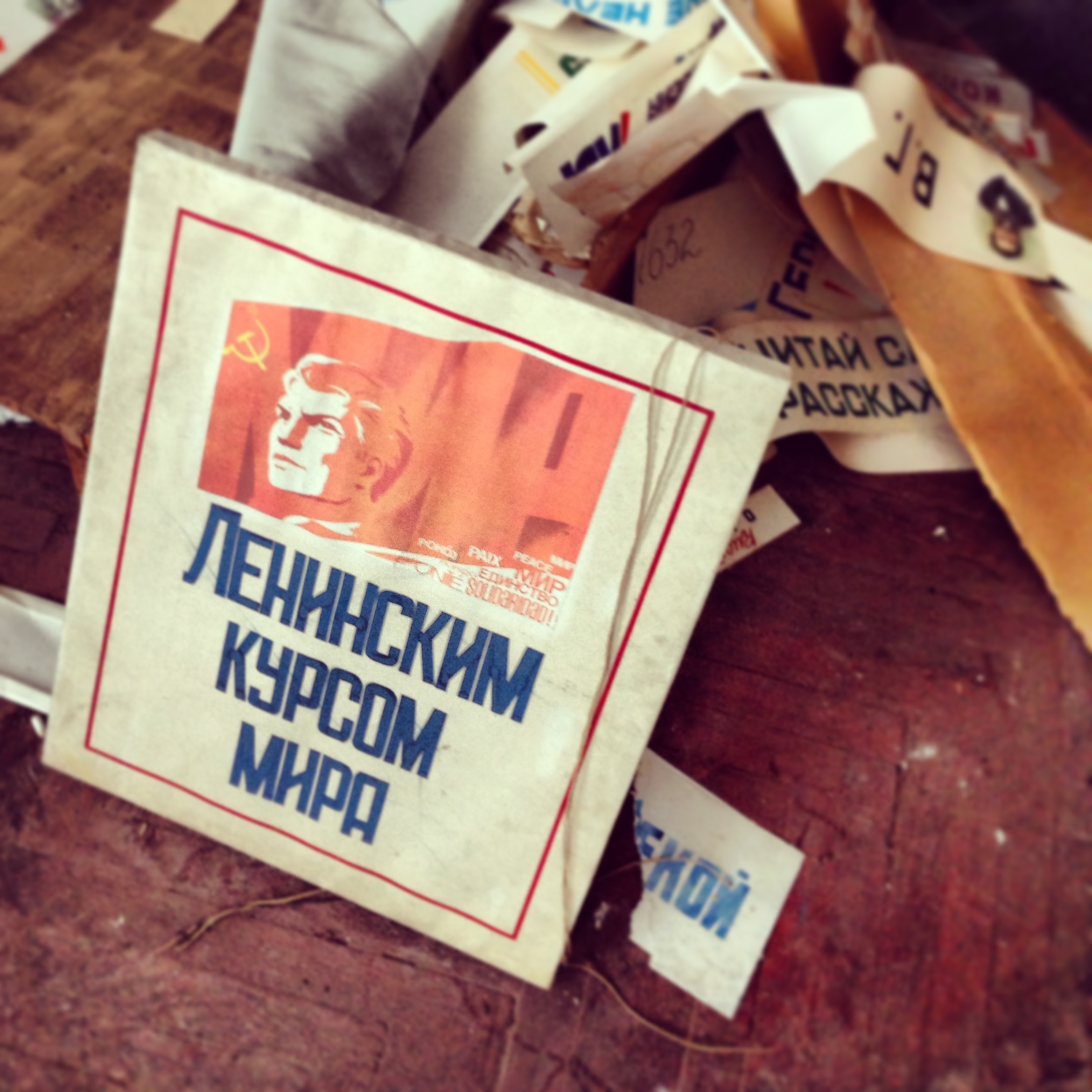
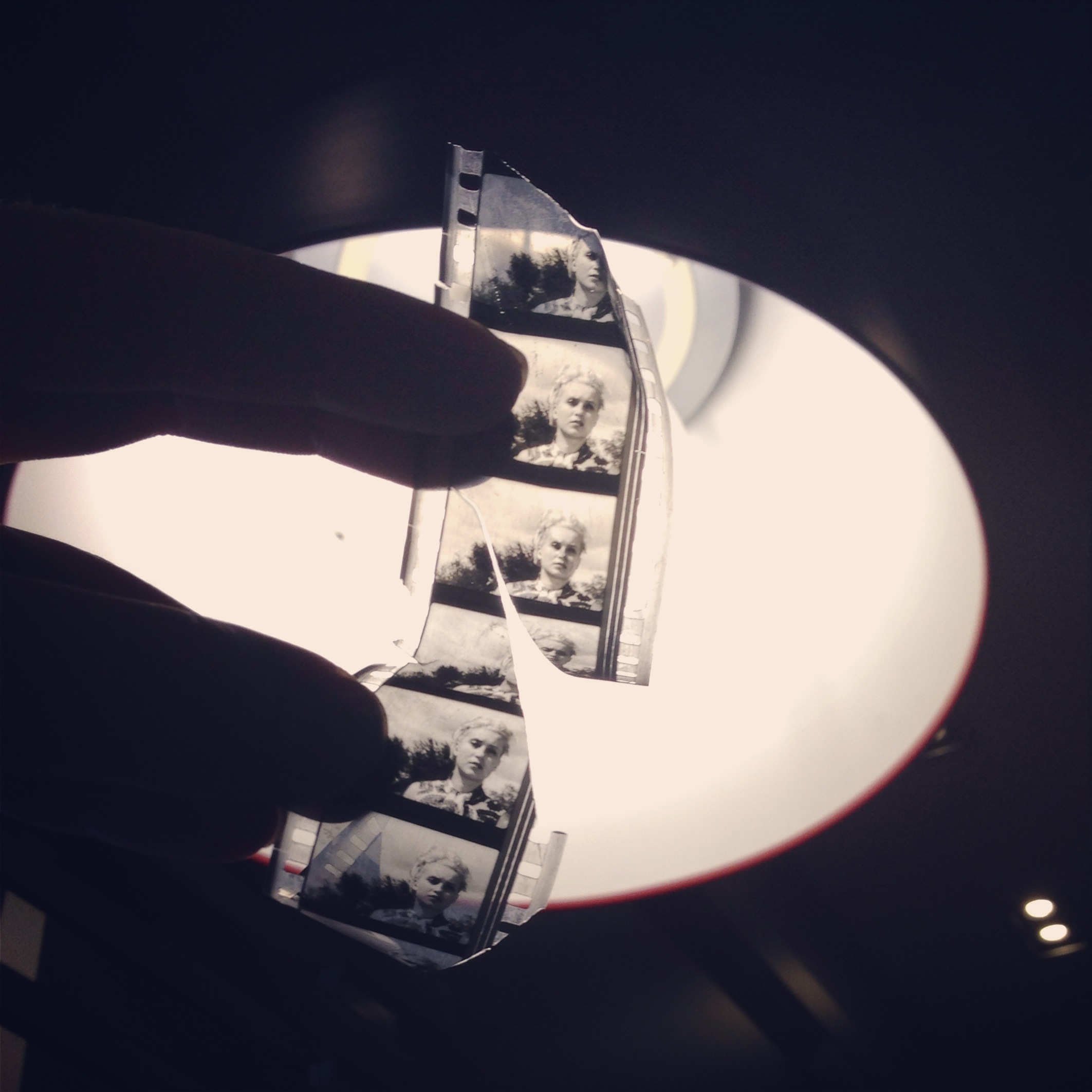
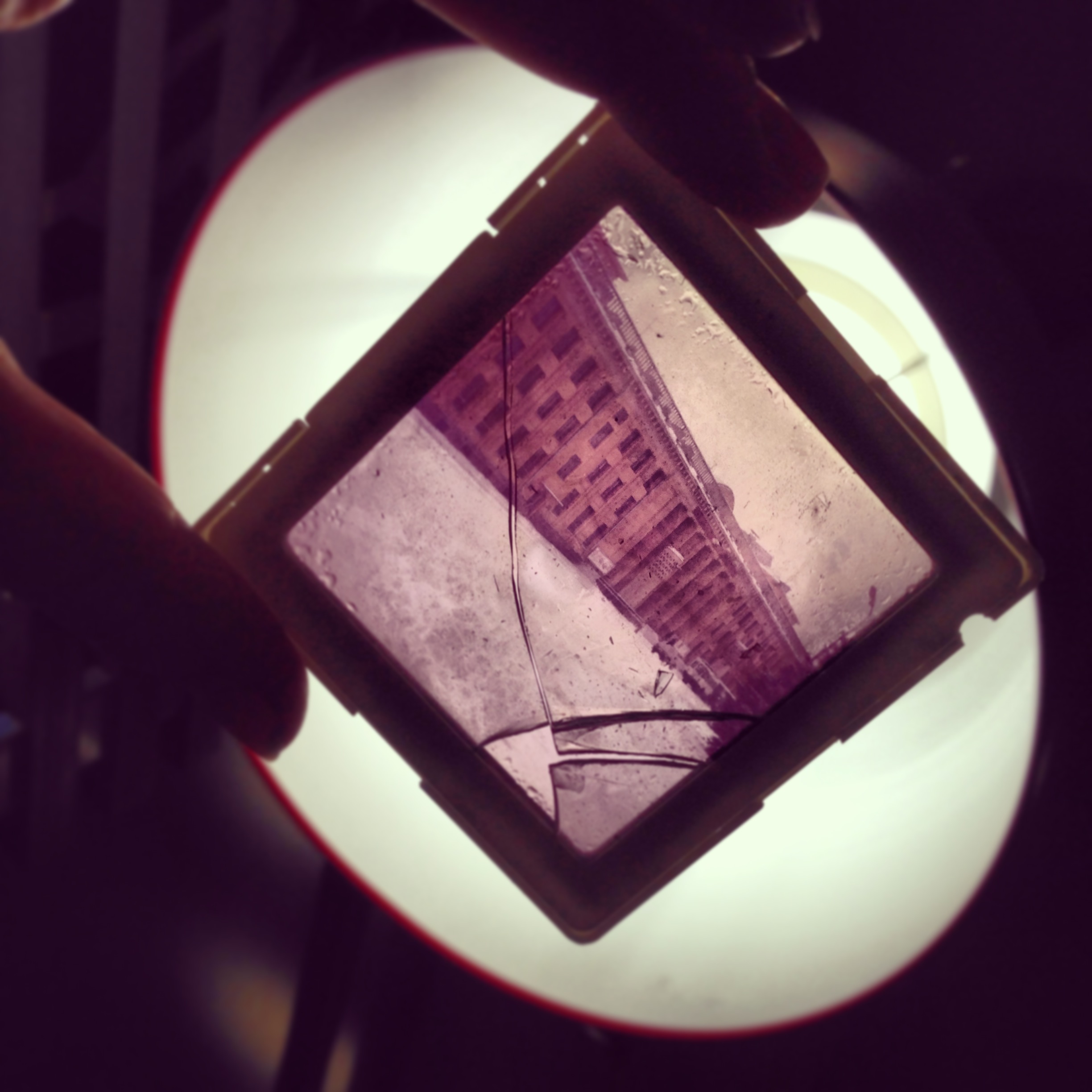
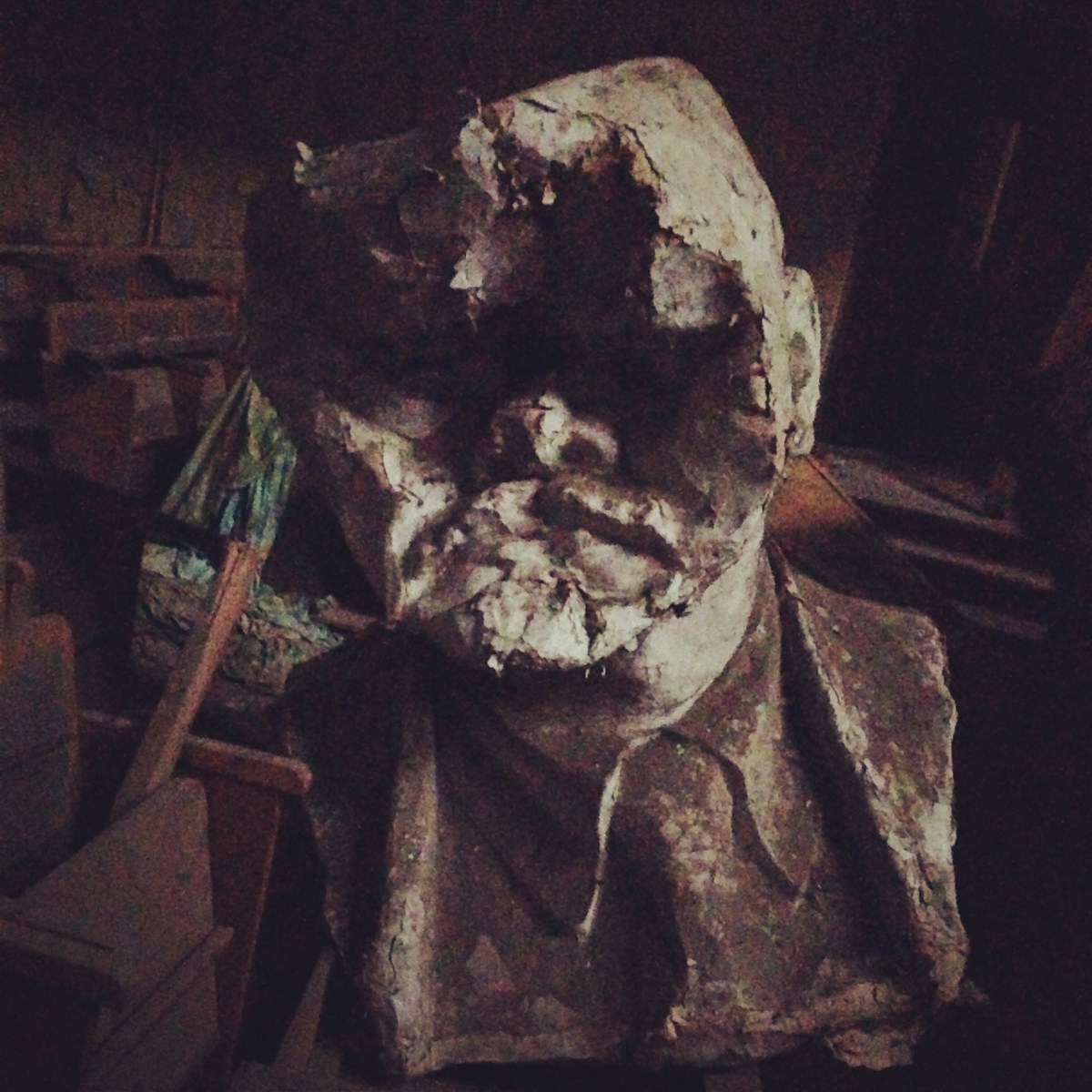
The Lenin House of Culture in Nizhny Novgorod was built in 1927 to commemorate 10th anniversary of the Great October revolution. Lenin is still present here: there is a giant smashed head of Lenin and the other bust is standing facing the corner. A lot of artifacts are scattered everywhere: books, film rolls, slides and course materials. As a souvenir we took tokens, which would be given to people in the cloakroom.
Standing as it is, a sort of contemporary ruin, the former Lenin House of Culture could be a great sight for a performance. So I really hope to come back one day – if it will still be there as life of such buildings is unsecure and unpredictable.




In August 2013, Annalisa drained all the water from the Thames:
Keep the bridges, but the water (life) of that Thames River has to go! Bleurgh! Bring the mountain to London!
In conversation, she promised to replace it with clear blue Mediterranean water. It’s not entirely clear which mountain she brought to London (or where she’s hidden it).
I am Russian. I was born in 1989. When I fill in a visa application form I need to write that I was born in USSR, Moscow. I was born in the country, which you can no longer find on a map and in which I only lived for a little more than two years. From the 21st of August 1991 it no longer existed…
I am Russian. I was born in 1989. When I fill in a visa application form I need to write that I was born in USSR, Moscow. I was born in the country, which you can no longer find on a map and in which I only lived for a little more than two years. From the 21st of August 1991 it no longer existed.
Urban exploration (urbex) is popular in many countries. However, it is very specific on the post-Soviet territory. In this particular case we are dealing with the abandonment of a whole country, an almost century-long historic period and a never fulfilled utopia.
These buildings stand as phantoms, often with complicated ownership situation, abandoned and in decay. Although not completely destroyed, they are as if suspended between existence and absence.
Together with my friends I have been practicing urbex, travelling around the former Soviet Union countries, for more than three years now. In this blog I will be constantly sharing with you some of the photos (both by me and my friends) of the abandoned buildings we’ve been to.
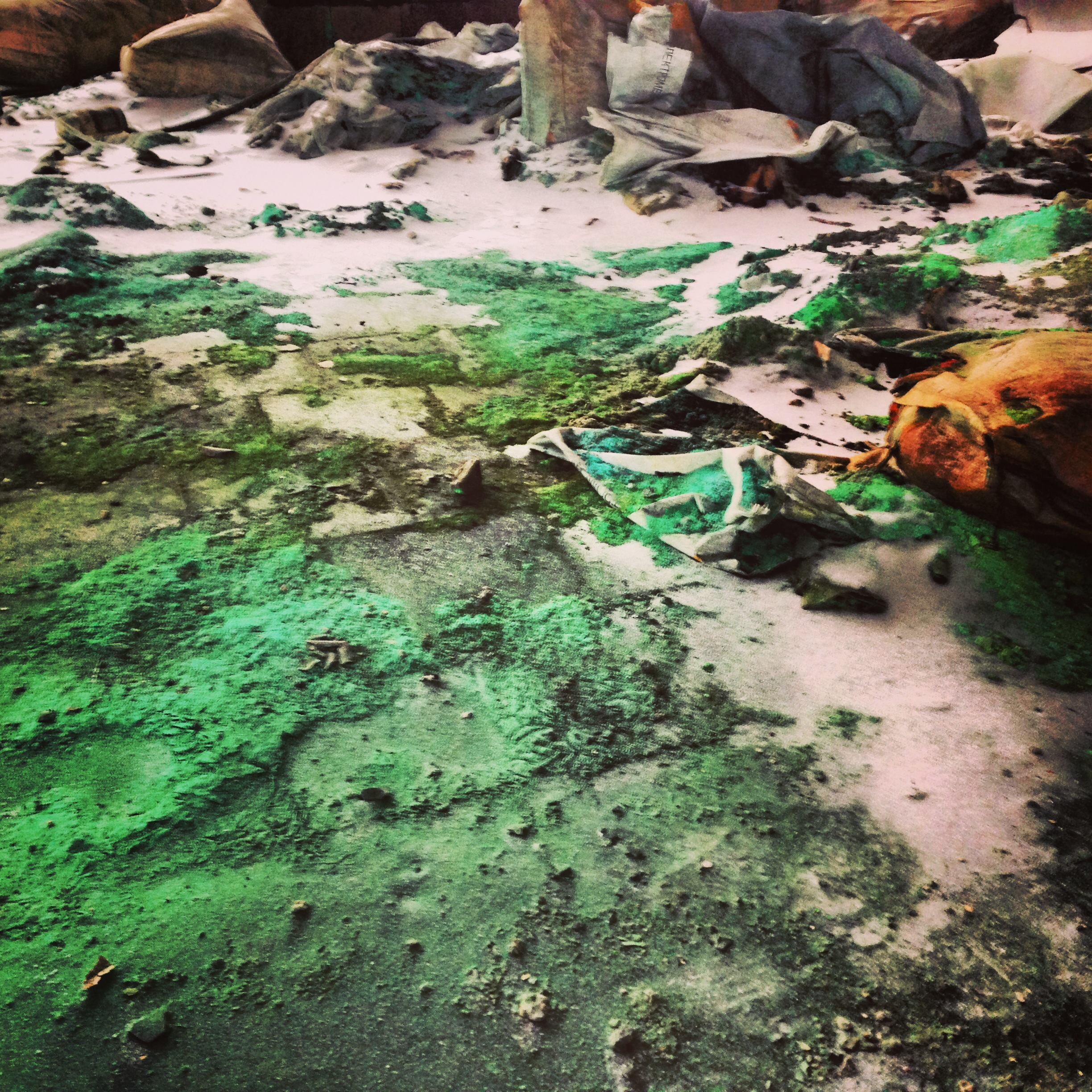
an abandoned factory ‘Zarya’, Dzerzhinsk, Russia
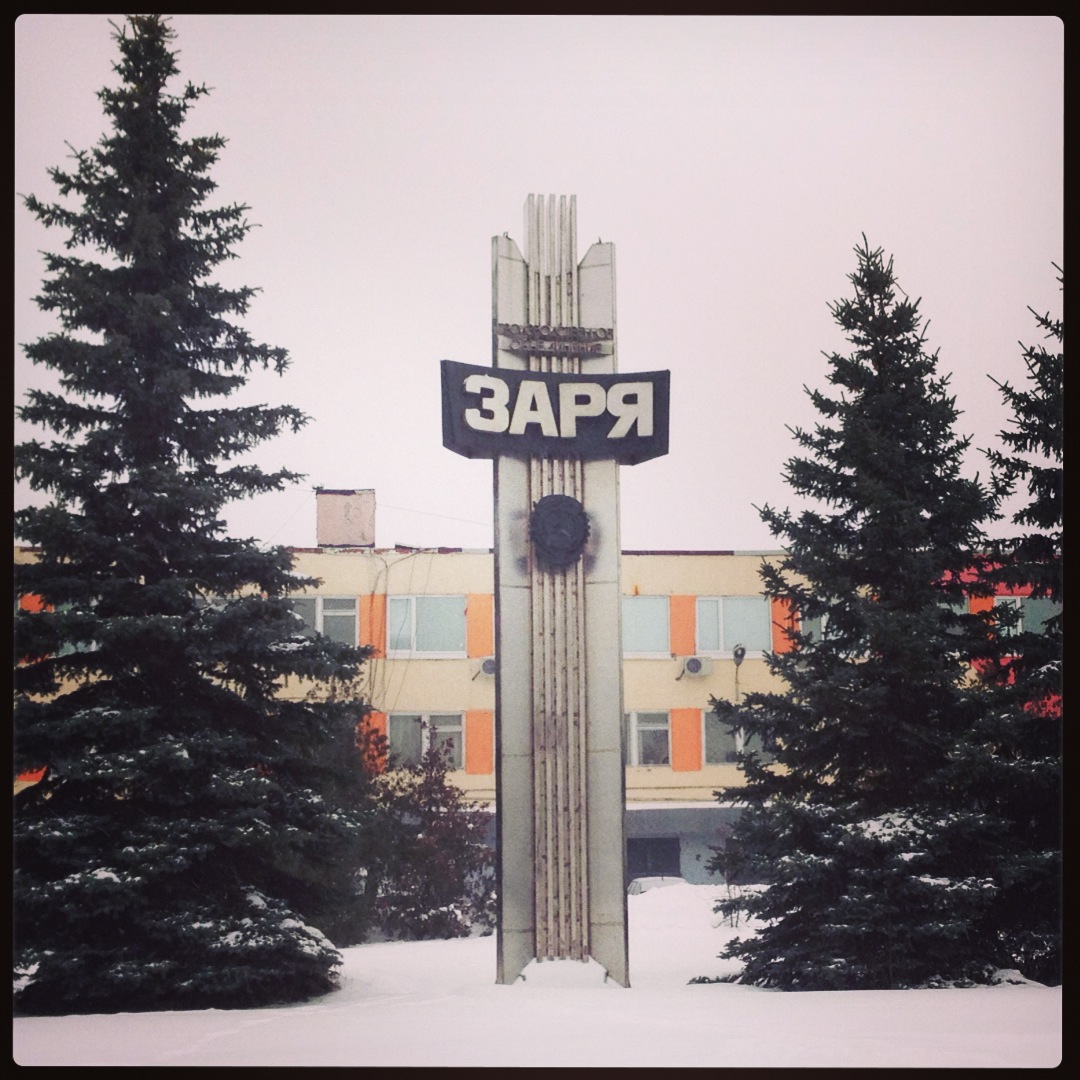

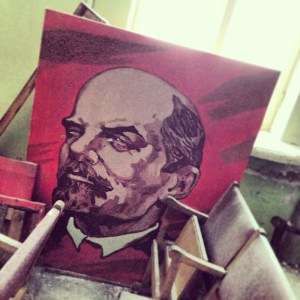
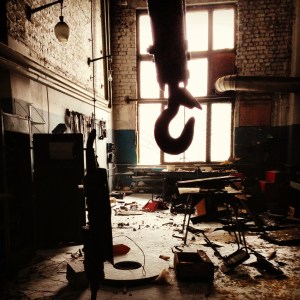

Photos by Alisa Oleva
Frances demolished White City flyover in August 2013, because:
Underneath this flyover
areis a load of temporary housing; so families are having to live with billions of cars flying above their heads the whole time… so getting rid of the flyover [will] give them a bit of peace & quiet.




 the demolition project