blog

ENCOUNTER

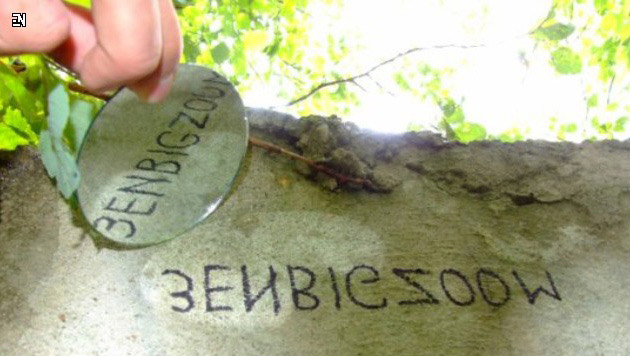
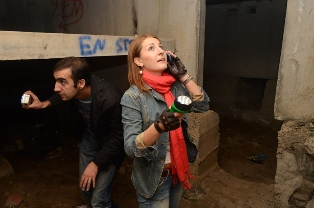
Approximately once a month you can potentially witness around 50-70 Russian-speaking people driving and running around London with torches in search for the codes. You might think they are just crazy (once, in the middle of the game when I was looking for a code, a policemen approached me asking calmly whether I was feeling ok) but in fact they are part of an exciting urban game called Encounter.

Approximately once a month you can potentially witness around 50-70 Russian-speaking people driving and running around London with torches in search for the codes written somewhere around the city. You might think they are just crazy (once, in the middle of the game when I was looking for a code, a policemen approached me asking calmly whether I was feeling ok) but in fact they are part of an exciting urban game called Encounter.

Encounter-в-Левокумском

For some reason former Soviet Union countries have a rich tradition of urban games which involves solving tasks and riddles, often under time condition, around the city. From early teenage years we get used to playing various urban games and quests: Running City, Pathfinders, Night Watch and even a quest in the Moscow underground – Metrobooks. They have various formats but with the underlining idea of adrenaline, action, entertainment, fun, erudition and, most importantly, a chance to experience your usual urban environment in a totally different way; to view it through a different lens.

encounter_photo_04_big

Why did it become so popular in the former Soviet territory? Of course Russians are famous for their extremity and adrenaline-seeking. But I would suggest another reason – there appeared a fruitful potential for playing with really extreme urban experiences after the collapse of the Soviet Union. A lot of original Encounter games would involve abandoned factories, underground tunnels, rooftops and high fences. One of the most well-known examples is when during one of the games the participants were actually caught by the police and, while they thought it was a complete game over for them, they found out that the code was actually written inside the cell they were put in on one of the bars so the policemen were part of the game! Of course such things could only be done in Russia.

Encounter, which was organised first in 2001 by a group of students in Minsk, Belarus, is played today by Russian communities in several European countries. The statistics says there are around 300 000 people playing Encounter in 11 countries. Of course it had to become a bit more mild as it had to adapt to the particular laws and context of each individual city. Only recently the London branch of Encounter (recently re-named into City Quest) has organised its first game for English-speakers, which went very successfully and inspired organisers to continue making games for Londoners. If you want to experience all I have been talking about above, I suggest you participate in one of the games. All information can be found here.

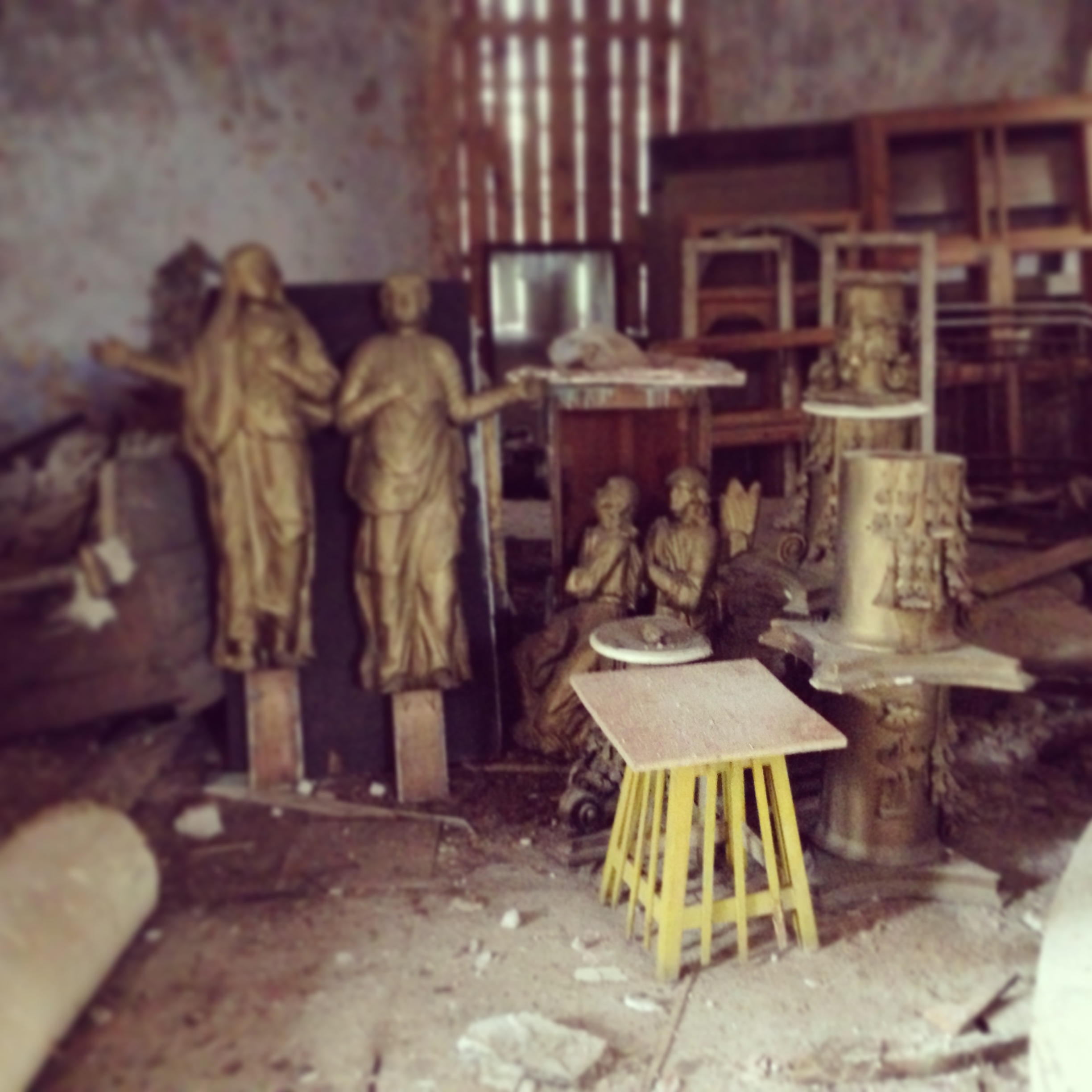
abandoned

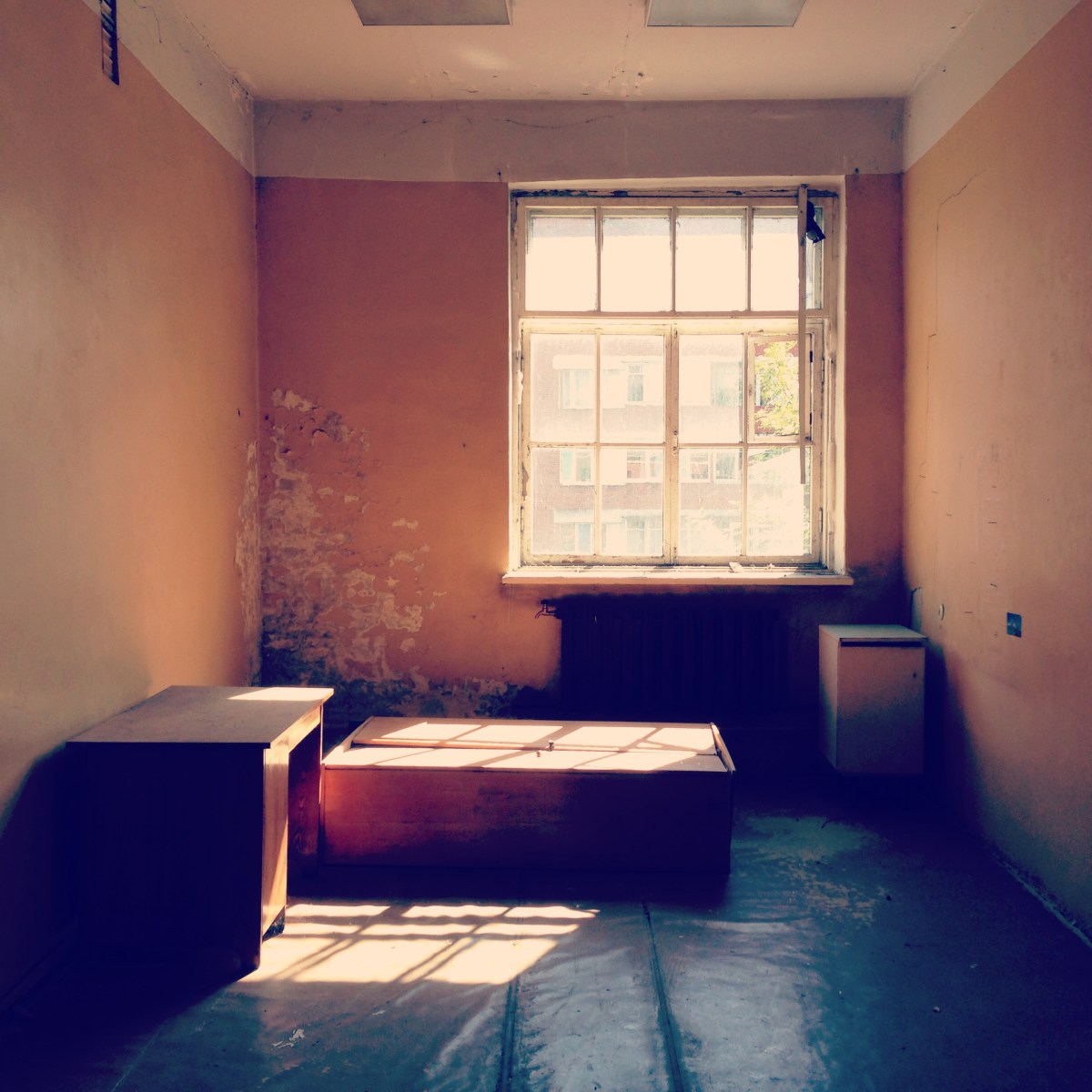
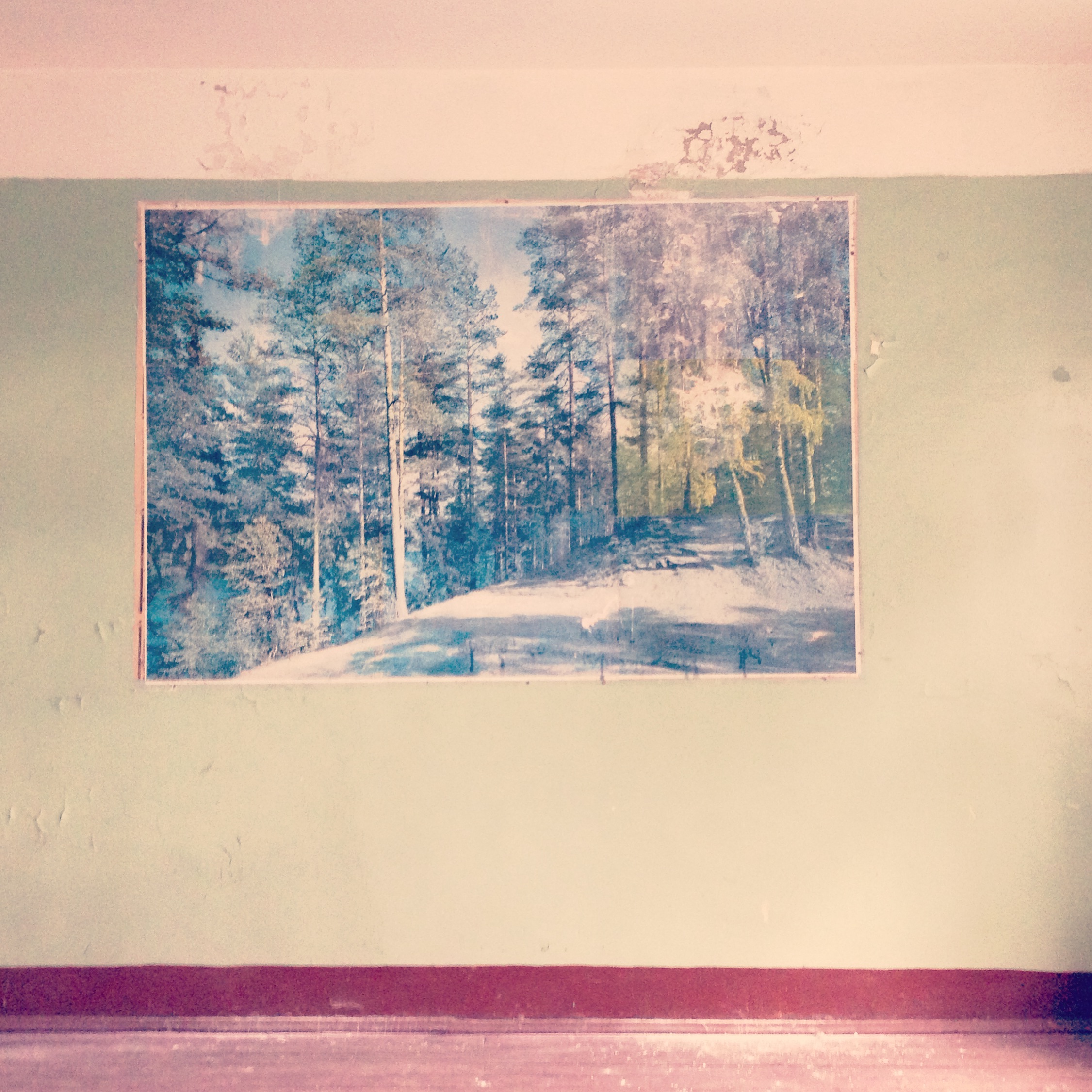
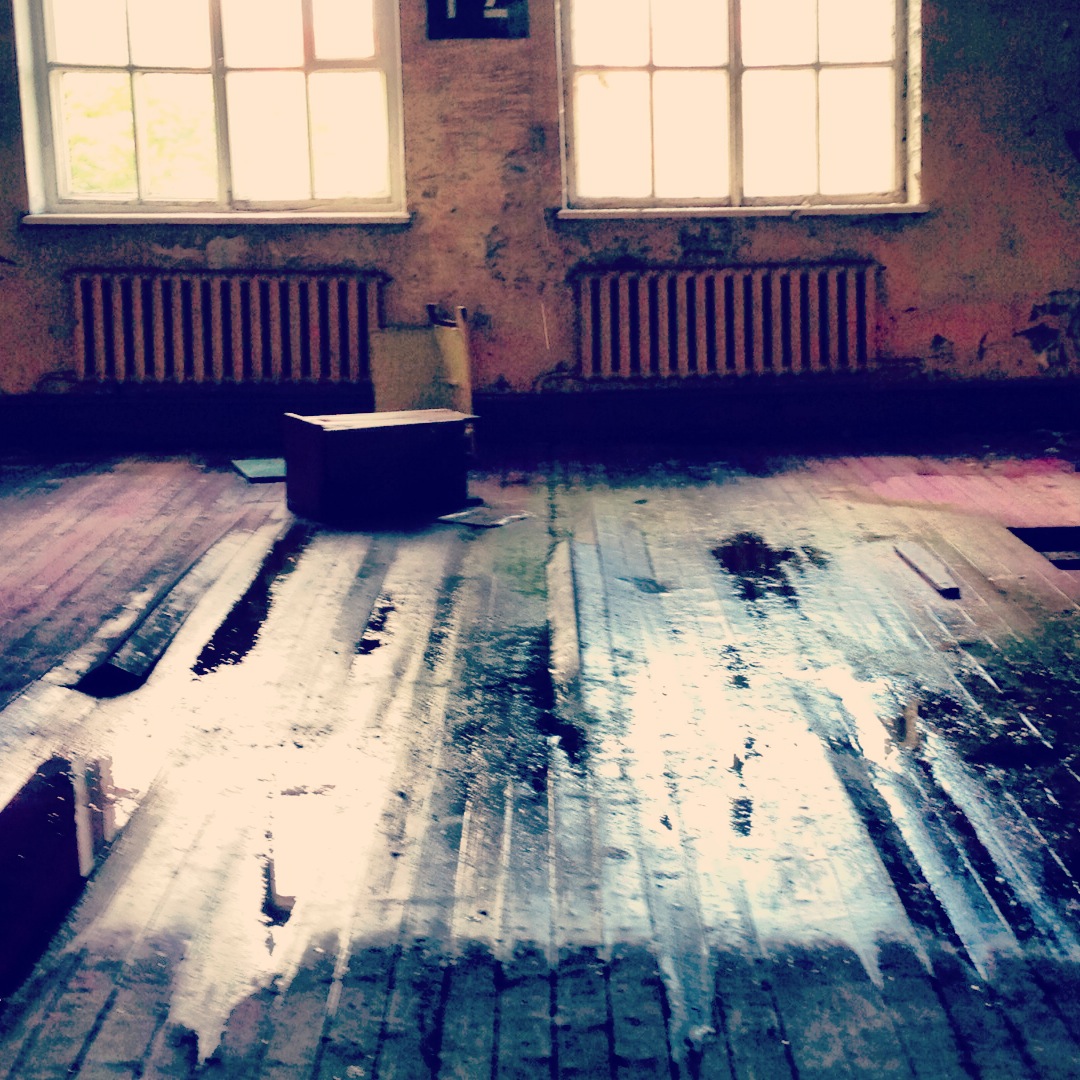
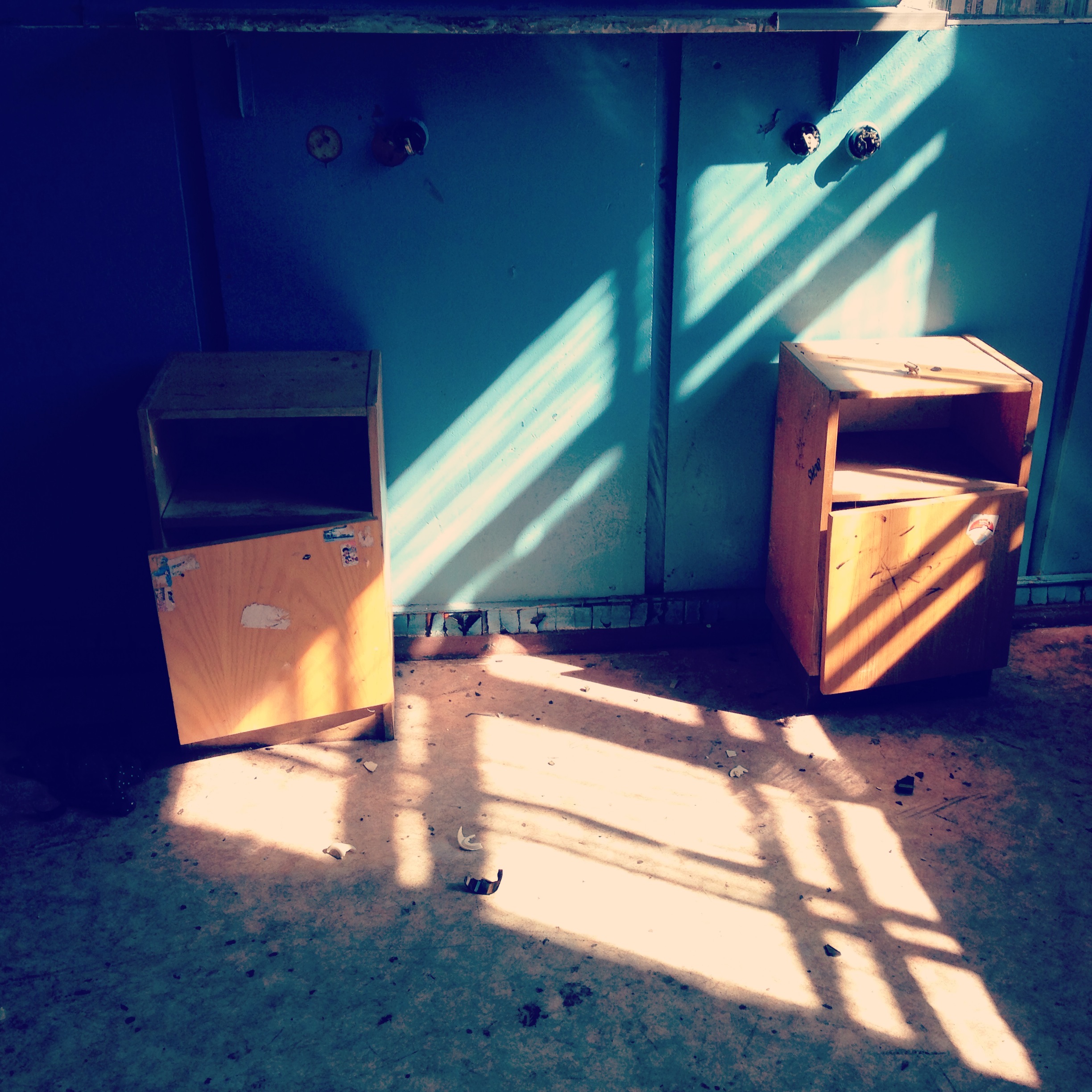
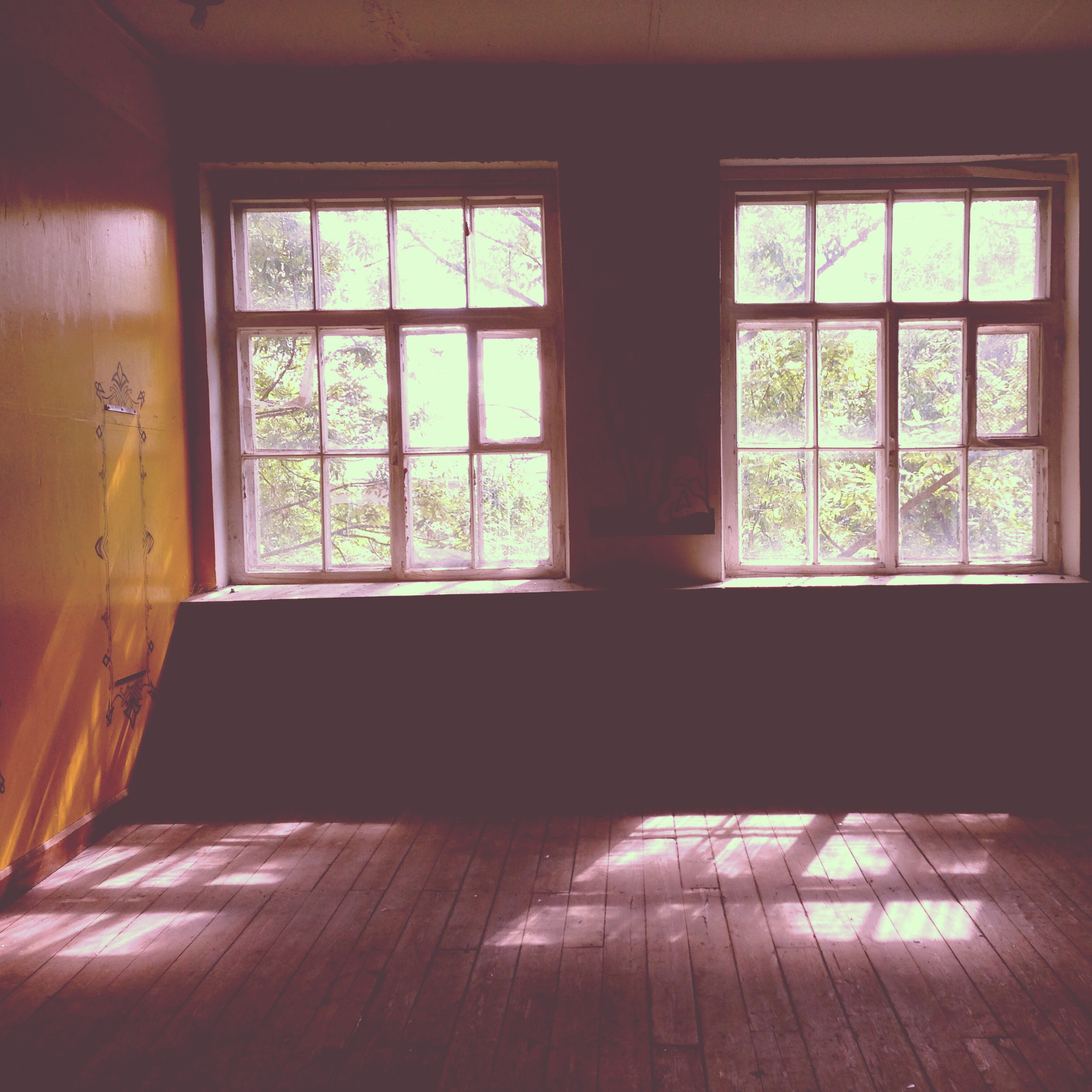
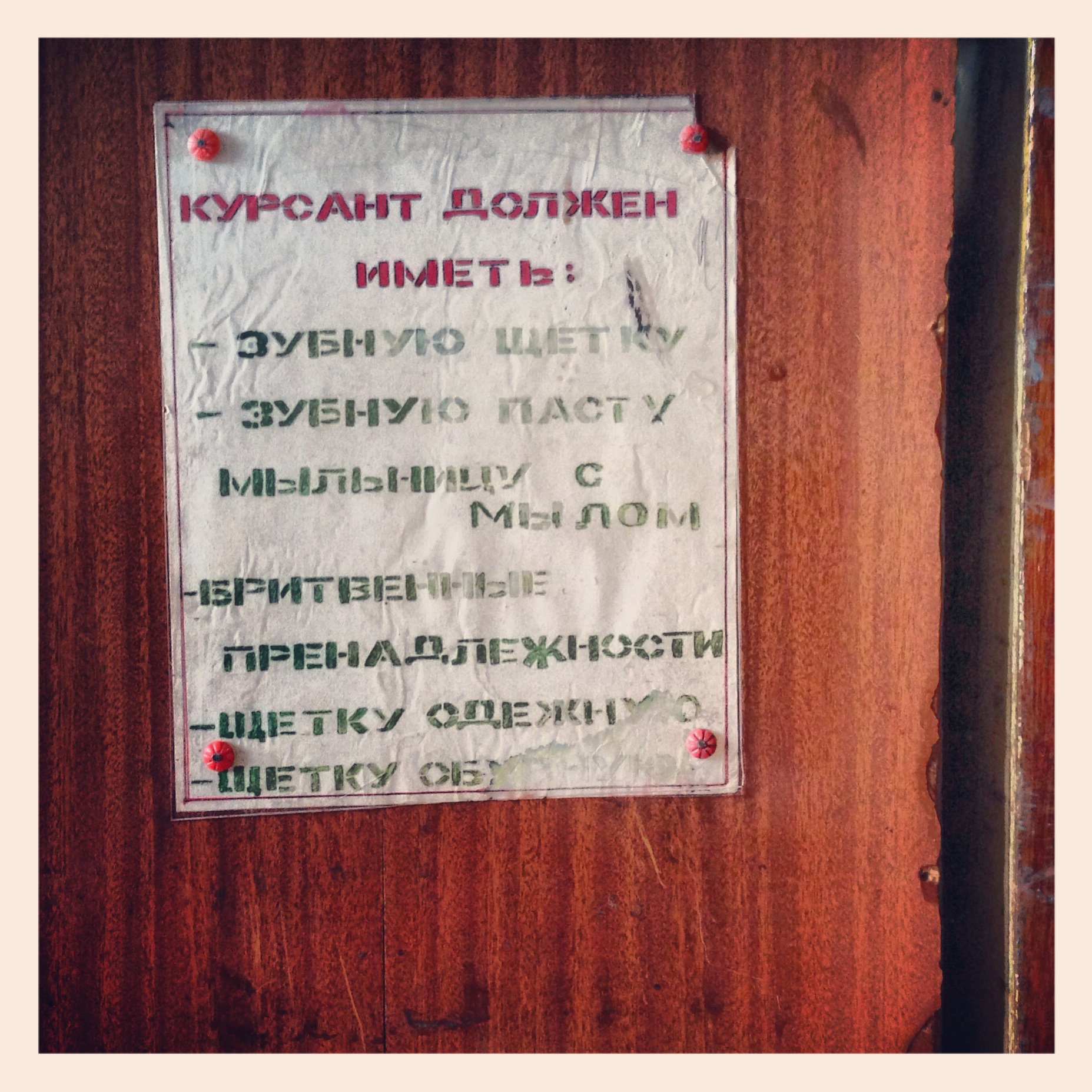
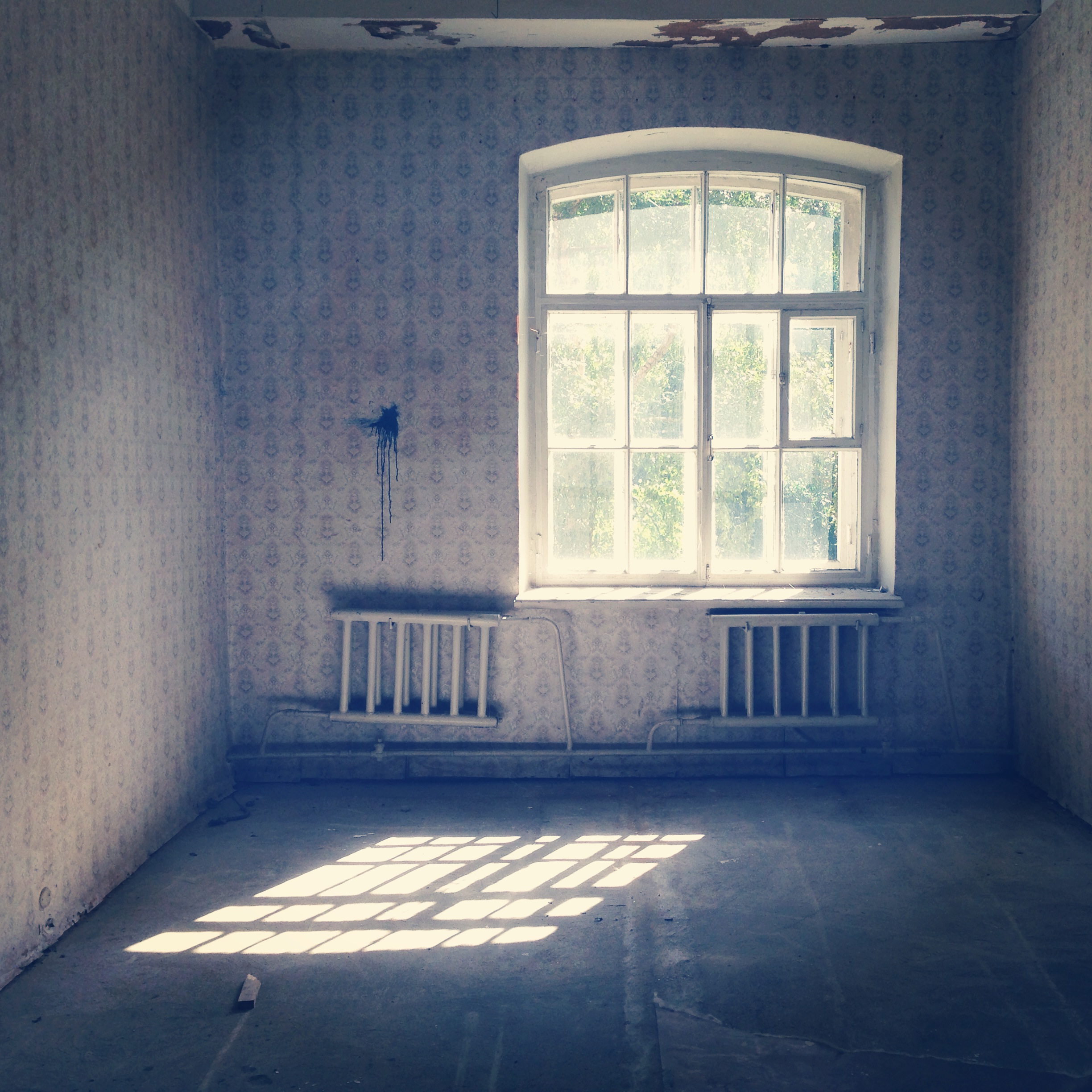
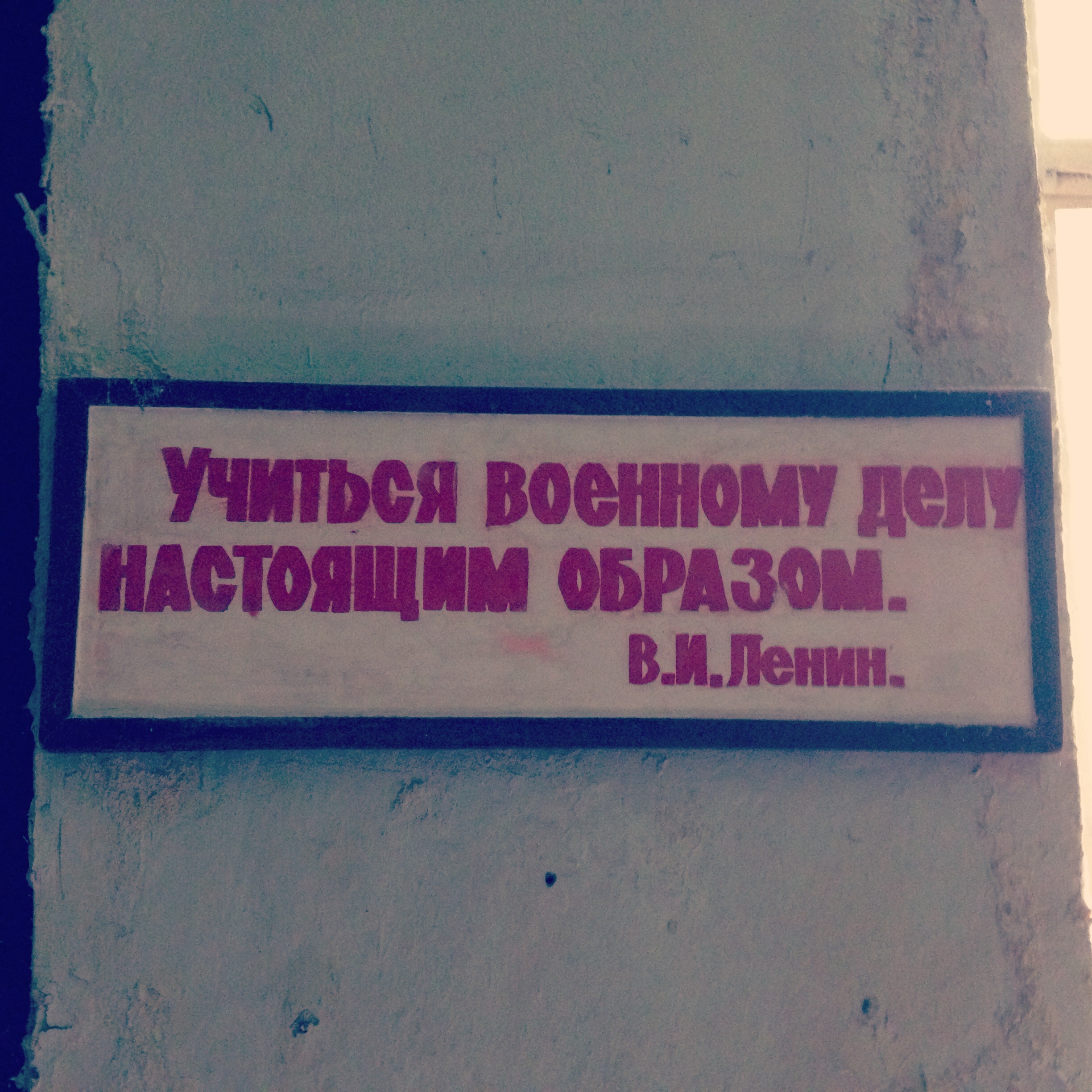
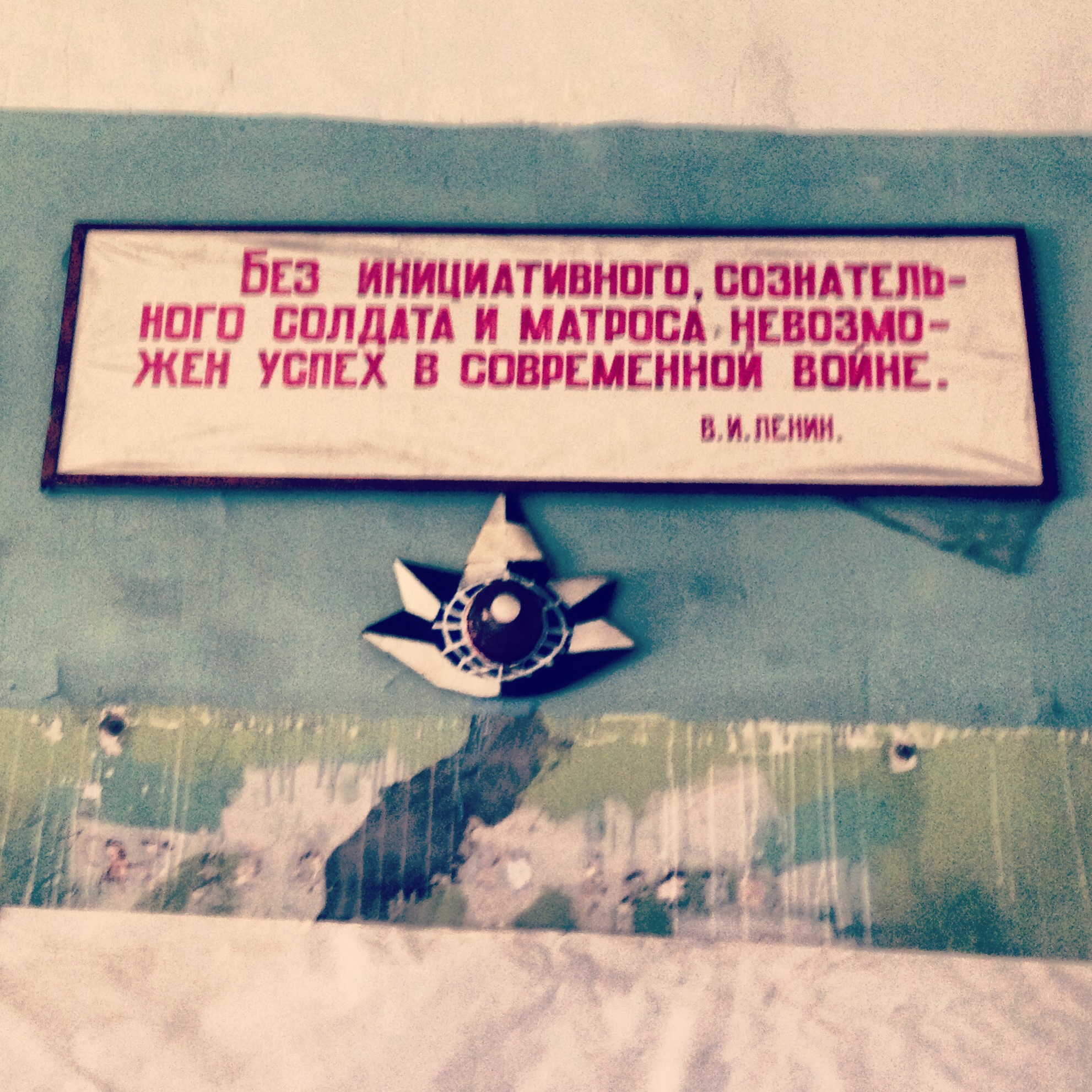
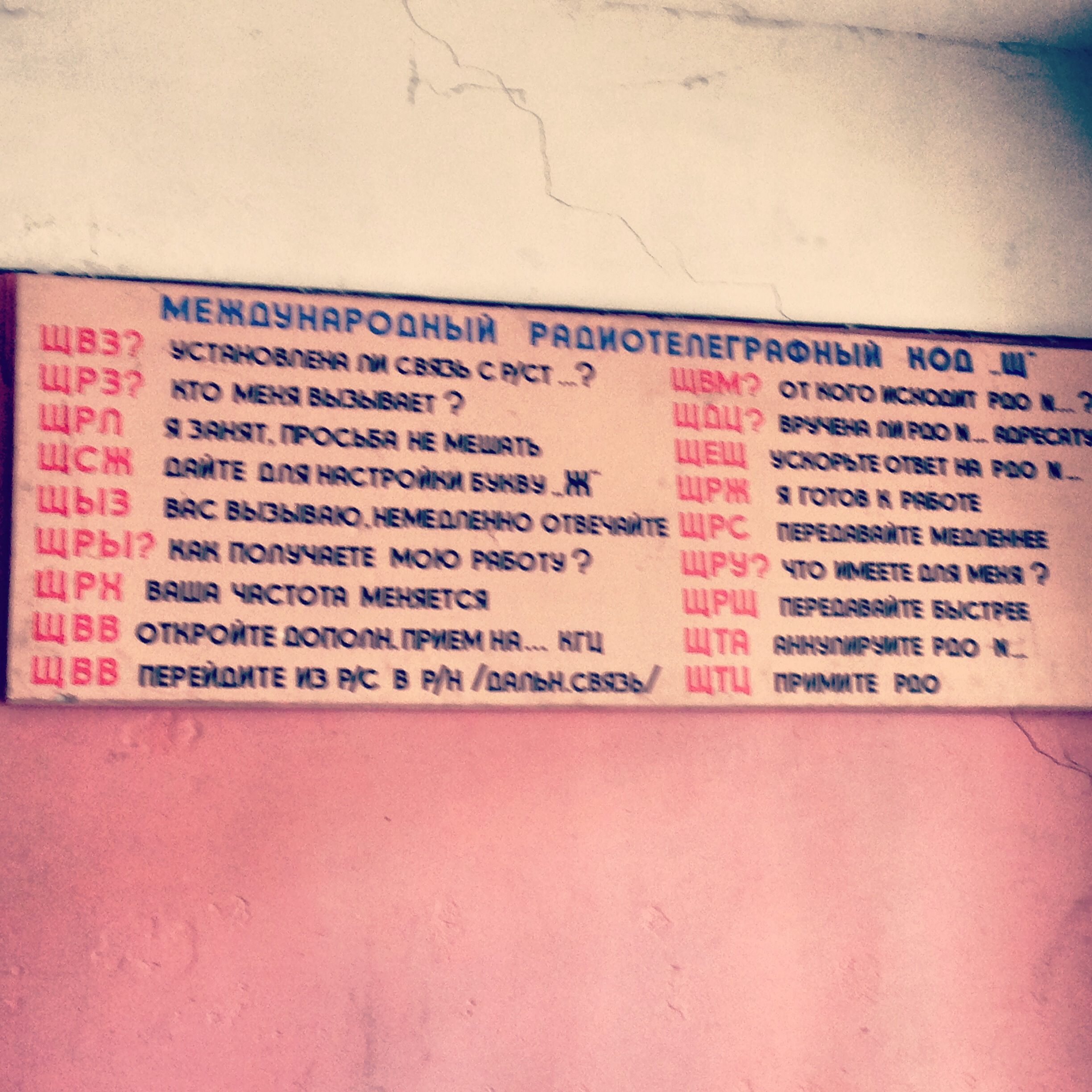
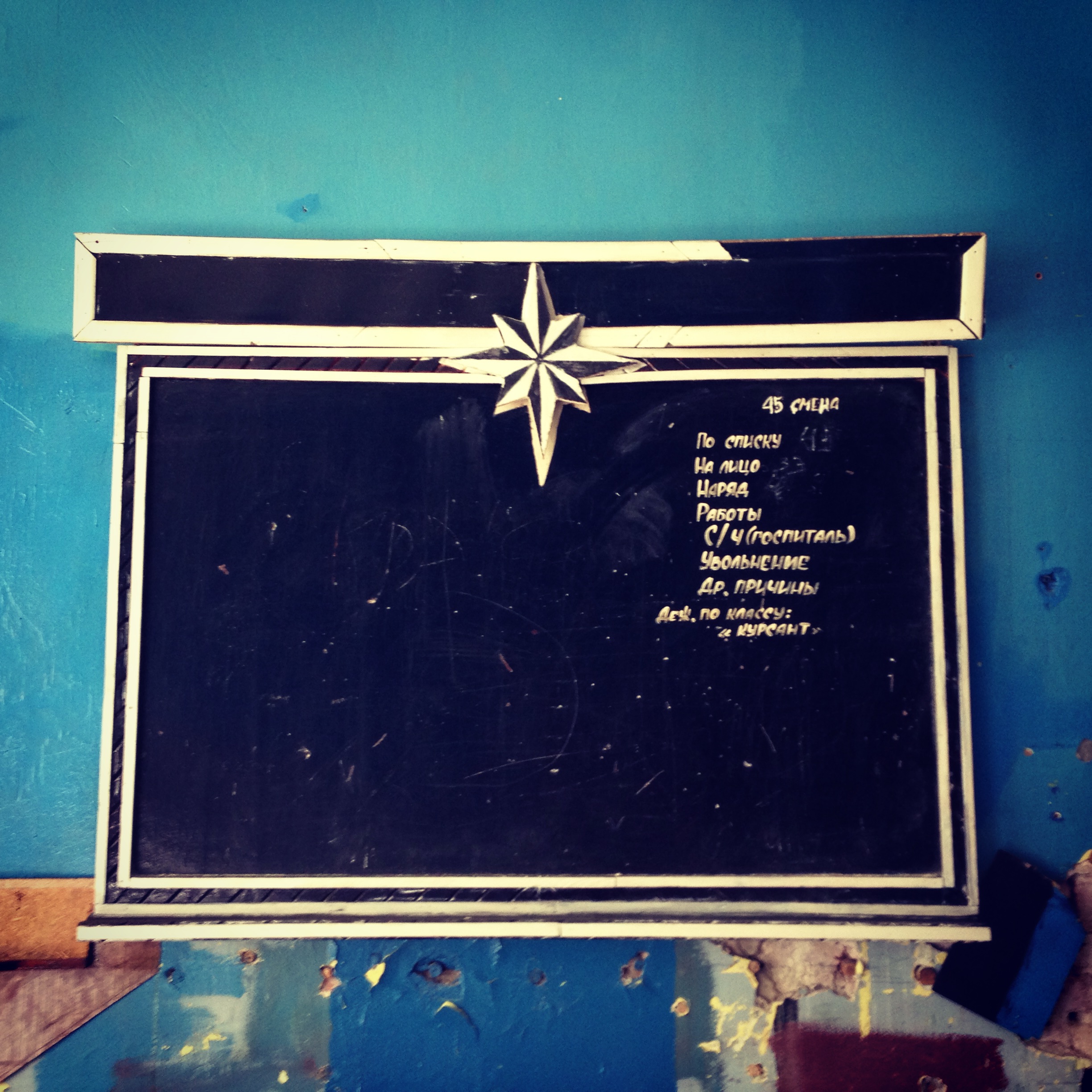
an abandoned maritime school in Kronshtadt, near Saint Petersburg, with almost all classrooms preserved and even the names of the students still written with the chalk on the blackboards…

an abandoned maritime school in Kronshtadt, near Saint Petersburg, with almost all classrooms preserved and even the names of the students still written with the chalk on the blackboards…

IMG_4060IMG_4065IMG_4064IMG_4066IMG_4067IMG_4071IMG_4068IMG_4070IMG_4072IMG_4075IMG_4074IMG_4076IMG_4077IMG_4078IMG_4085IMG_4079IMG_4080IMG_4081IMG_4082IMG_4089IMG_4088IMG_4087IMG_4086 IMG_4084IMG_4083

Photos by Alisa Oleva

life, death and reincarnation of the Cathedral of Christ the Saviour

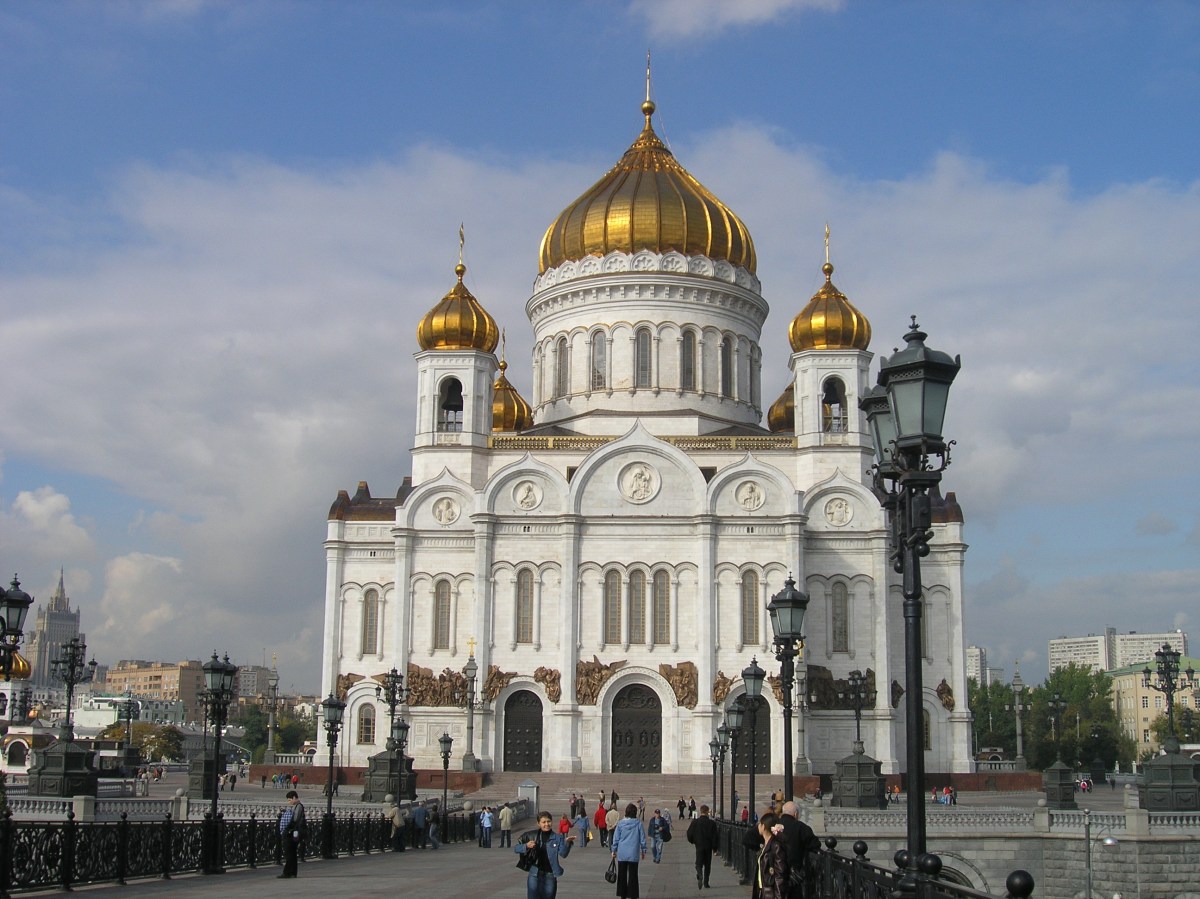
Can you think of any buildings that were demolished to build something instead and then later were built anew? Cathedral of Christ the Saviour in Moscow is probably the brightest example.

Can you think of any buildings that were demolished in order to build something instead and then were built anew some time later? Cathedral of Christ the Saviour in Moscow is probably the brightest example.

The cathedral was commissioned to commemorate the victory of Russian nation over Napoleon in 1812. It took more than 40 years to be built and became the most important Orthodox church of the Russian State. During the Soviet era, when hundreds of churches were destroyed to proclaim a new, atheist communist state, the Cathedral became no exception. Moreover, not only was it doomed to be demolished, but it was also to be replaced by the grand Palace of the Soviets. An old ideological symbol was to be replaced by the another symbol of the new utopia.

478d4a59f8b32183bd6577708ee6

On the 5th of December 1931 two explosions destroyed the Cathedral of Christ the Saviour.  However, the beginning of the World War stopped the construction works and in 1956, when Stalin was already dead and the contextual frame totally changed, the idea of constructing the Palace of the Soviets was abolished. Instead, paradoxically, in 1960 a huge outdoors swimming pool ‘Moscow‘ was opened on the site of the cathedral. My grandmother told me they were going there every weekend. The view of it, all surrounded with the steam on a Sunday winter morning, must have been pretty surreal.

swimpool-moscow4swimpool-moscow

In 1991 the Soviet Union stopped to exist and, as a symbolic act of reincarnating Russia, the decision was made to restore the Cathedral of Christ the Saviour. Already in 1996 the first sermon was held in the cathedral and here it stood peacefully as a hundred years ago – as if nothing has happened.

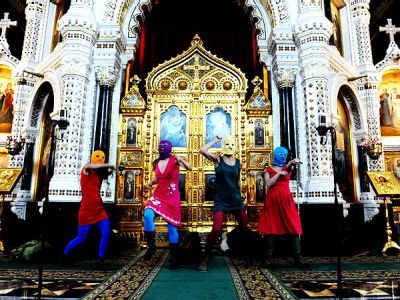
It was, however, already charged with that energy of turmoil and ideological shifts. So probably it is no surprise that it was here that on the 21st of February 2012 the Pussy Riot group made an action called ‘Punk Prayer’ which led to their imprisonment and provoked wide resonance in Russia and abroad. Thus, the Cathedral acquired its new layer of history as it often today referred to among locals as ‘Pussy Riot Cathedral’ or the main Moscow dancefloor.

51B9E640C373B

It is impressive how buildings can be wiped off or reconstructed so easily when big ideologies are at work. Who knows what will be on site of the Cathedral of Christ the Saviour in a hundred years time?..

Demolition of the day: Oxford Street

In October 2013, Ursula demolished Oxford Street as a shopping centre and replaced it with a giant aquarium running the entire length. She summed up her actions:

Oxford St. –> Shit.
Aquarium instead

In a longer conversation, we talked about transforming people’s lives away from consumer society to the beauty and calm of watching marine life or perhaps swimming the from Tottenham Court Road to Marble Arch.

Subsequently, I discovered that in 1954 there had been a scheme to build glass-bottomed canals and swimming pools above the pedestrianised roads of Soho, but it came to nothing until Ursula’s imaginative intervention found the right place to realise this visionary transformation, in the neighbouring shopping street.

Sounds of the city

We often talk about the city in terms of what we see – think of sightseeing, tourist sights, eyesores; architecture that frames a vista or lets in the light or blocks the view. A sound walk offers a different type of urban encounter, one that radically shifts the way we perceive the world, away from what we see and towards what we hear.

I reckon most of us (if we’re sighted) tend to think of the city in visual terms, whether we’re aware of it or not. We talk about sightseeing, tourist sights, eyesores; buildings or landmarks that look ugly or beautiful or dull; architecture that frames a vista or lets in the light or overshadows its neighbours or blocks the view of other sights we want to see. Certainly that’s true for me – it’s just that I’m so used to taking it for granted that I don’t even consider other types of urban encounter.

I recently went on a sound walk through part of south-east London, led by artist John Wynne, that radically shifted this perspective. About a dozen of us gathered in the drizzle outside Island Gardens, the misleadingly exotic name of a DLR station at the southern tip of the Isle of Dogs. We’d been told the rules: no photographing, no sound-recording, no talking (unless absolutely necessary), try to stay more or less with the rest of the group. I’m not usually a fan of lots of rules, but it would soon become clear that these were necessary to the task of cracking open our comfort zones and showing us the city as a world of sound.

The initiation

John’s tactic to move our attention from sight to sound was a simple one: the group was split into pairs, with one in each pair wearing a blindfold and being guided by the other, who wore earplugs. After a time, we swapped roles. This was just the first part of the walk – after about 10 minutes we continued without blindfolds and earplugs – but for me it was very effective. To set off walking, relying on a partner I’d never met before to keep me away from collisions and trips, was a jolt. As I settled down and started trusting him, I became more aware of the sounds around me as well as the feel of the ground beneath my feet and the wind on my face. When I exchanged blindfold for earplugs, sound was transformed from something in the world outside myself into an interior pattern of muffled vibrations in my bones. By disorienting and defamiliarising, these artificial handicaps prepared us to listen.

The ritual initiation into the city-as-soundscape took place as we walked through the foot tunnel under the Thames – a site that was interesting acoustically, with its echoes and rumbles, as well as providing an almost-too-perfect symbolic crossing-over. Not that this was spelled out – I wouldn’t want to equate south London with the afterlife, and at the time some of us were just too glad to shed our blindfolds and unplug our ears to worry about the semiotics of river crossings – but it seems typical of the way the walk as a whole was thoughtfully structured to introduce us to sound as a sensory experience and an alternative approach to exploring the city.

Listening

After we emerged on the far bank of the river, we followed John through a hugely varied progression of sounds and soundscapes, full of elements that were random and spontaneous but felt carefully orchestrated. The crunch of feet on shingle, the museum-like peace of a tourist attraction on a rainy day, chatter amplified by the high ceilings of a grand hall, snatches of music mingling with heavy machinery, a jostling market, busy traffic, lorries on an industrial estate, construction work, the gush and rush of a small waterfall beneath a railway line… And an hour and a half later we reached a cafe for the after-walk conversation out of the rain.

A couple of people talked about how the sounds of the world came to seem hyper-real, like an exaggerated soundtrack to a film they were in – which was either disturbing or enjoyable, depending on your point of view. Part of the walk, in the market, had struck some people as being like a bad film filled with stereotypical market dialogue – showing that if you listen, you can hear people genuinely talking in clichés in real life.

Some found paradoxically that their other senses were heightened – touch, smell, even vision – once they started paying attention to hearing.

One felt that we were like ghosts because we were moving through the world in complete silence. This was most obvious at one point where we all stopped in a relatively busy courtyard to listen to the sound of music rehearsals in a nearby room – passersby were clearly freaked out by the sight of a dozen people standing still, unnaturally quiet, all listening intently.

We also discussed the difference between indoor and outdoor sounds – outside, you listen to particular sounds with little or no idea where they are coming from; inside a building, you listen to the space – the way the architecture shapes the sounds.

A different angle

One thing that interested me was a double-defamiliarising that I glimpsed from time to time on the walk: not just switching my attention to sound, but a letting go of the compulsion to make meaning from it – to identify sounds as eg cars, footsteps, birdsong, wind in trees – and instead enjoying sounds as pure pattern, pitch and rhythm – as music, if you like. And we talked a little about how once we start listening to sound as music, we stop judging sounds as unpleasant, mechanistic, irritating etc – it’s all potentially interesting.

All of these ideas are interesting to explore further as a way of approaching the city from a different angle (argh, those visual metaphors are hard to escape!). And this is the sort of walk anyone can do – though it helps to take a friend, of course, if you are going to experiment with blindfold/eyes shut at the start. Although having said that, I felt lucky to have the chance to benefit from John Wynne’s expertise and his calm authority as a guide. One tip he gave us (familiar to anyone who’s done mindfulness meditation) was not to worry if our concentration flagged, but to just acknowledge that and bring our awareness gently back to listening.

There’s nothing obviously earth-shattering or agitprop about this sort of artistic activity (plenty of people would argue it isn’t art at all) but it attempts to wake us from our everyday sleepwalking through life, heighten our awareness of the world and shake us out of our habitual views and for me that makes it worth doing and worth talking about. Any views?

sound 1

>> The sound walk was co-ordinated by Tommy Ting, an associate artist at Open School East, a bunch of artists in east London who do all sorts of interesting stuff, including a lot that’s open to the public and free/cheap.

>> John Wynne’s website is full of information on his sound installations and his work with endangered indigenous languages.
In the news: tearing up the city

This is the first in a series of regular posts linking to stuff The Demolition Project has seen and liked recently.

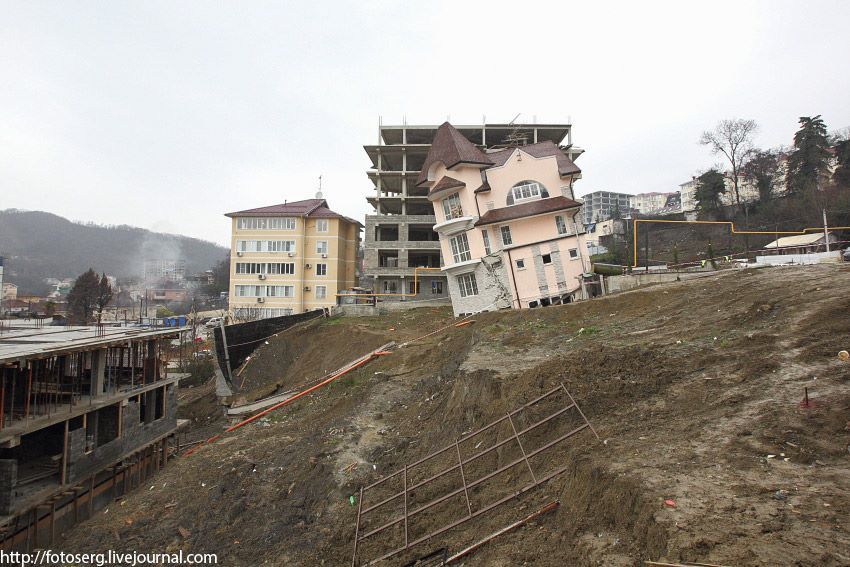
Sochi 2014 is everywhere, of course, so we kick off with a couple of stories about the way the Olympics has reshaped (or devastated) Sochi:

The residents of 5a Akatsy street have lived for years with no running water or sewage system. Construction for the 2014 Winter Games has made their lives more miserable: The new highway has cut them off from the city center. Even their communal outhouse had to be torn down because it was found to be too close to the new road and ruled an eyesore.

Full story here.

And residents talk about being relocated by the Olympic bulldozer on Youtube (English subtitles).

Elsewhere, a mayoral candidate in Paris plans to turn ghost Metro stations into swimming pools, restaurants and night clubs. The pictures look great but the scheme has failed to put centre-right UMP candidate Nathalie Kosciusko-Morizet on top of the polls.

The president of Kazakstan, Nursultan Nazarbayev, has suggested changing the name of the country to Kazak Yeli (Kazakh Country), with the suggestion that the “stan” part of the name puts off foreign investors. Full story here; some photos of the astonishing architecture of Kazakh capital Astana here and here, illustrating the country’s ambitious post-Soviet reinvention.

Lastly, a transitory intervention into the shape of the city – a machine that writes graffiti in sand.

Photograph: fotoserg/livejournal.com

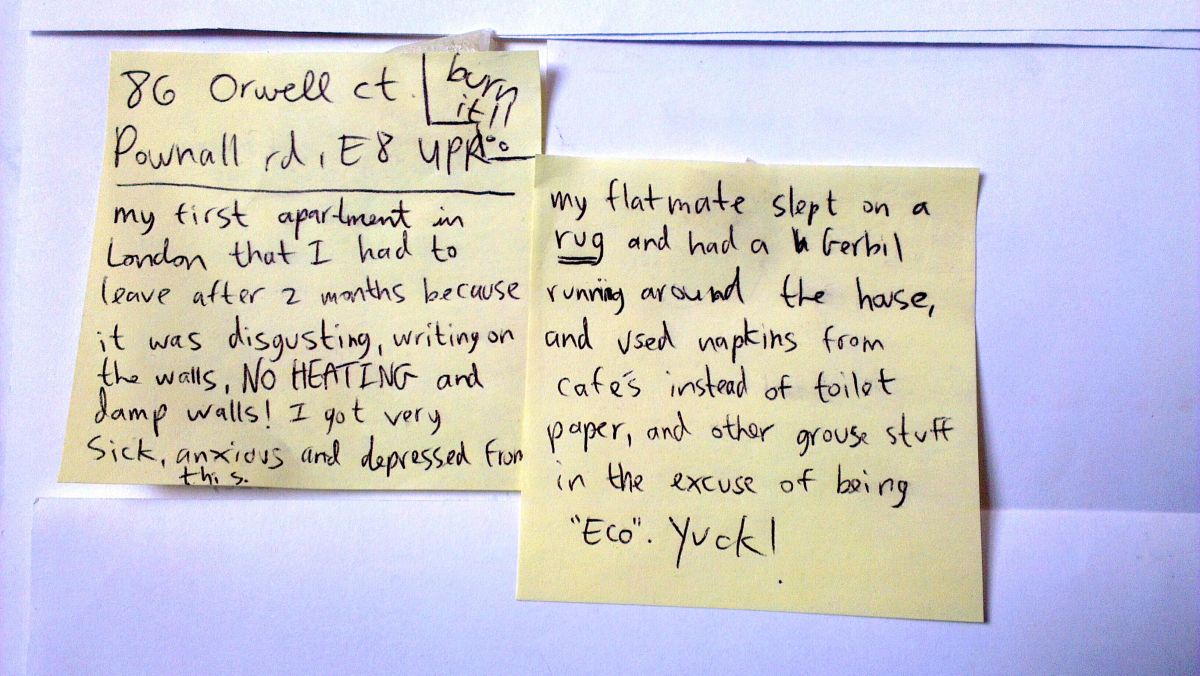
Demolition of the day: 86 Orwell Court

In June 2013, Anonymous burned down 86 Orwell Court, Pownall Road E8 because it was:

My first apartment in London that I had to leave after 2 months because it was disgusting, writing on the walls, NO HEATING and damp walls! I got very sick, anxious and depressed from this.

My flatmate slept on a rug and had a Gerbil running around the house, and used napkins from cafés instead of toilet paper, and other grouse stuff in the excuse of being “Eco”. Yuck!

orthodox urbex

According to Lenin: ‘Religion is opium for the people’. Thus, religion was banned during Soviet era and most of the churches either destroyed or reused. Furthermore, some of them became home for museums of atheism.

According to Lenin: ‘Religion is opium for the people’. Thus, religion was banned during Soviet era and most of the churches were either destroyed or reused as factories, storages, schools or even prisons. Some of them even housed museums of atheism.

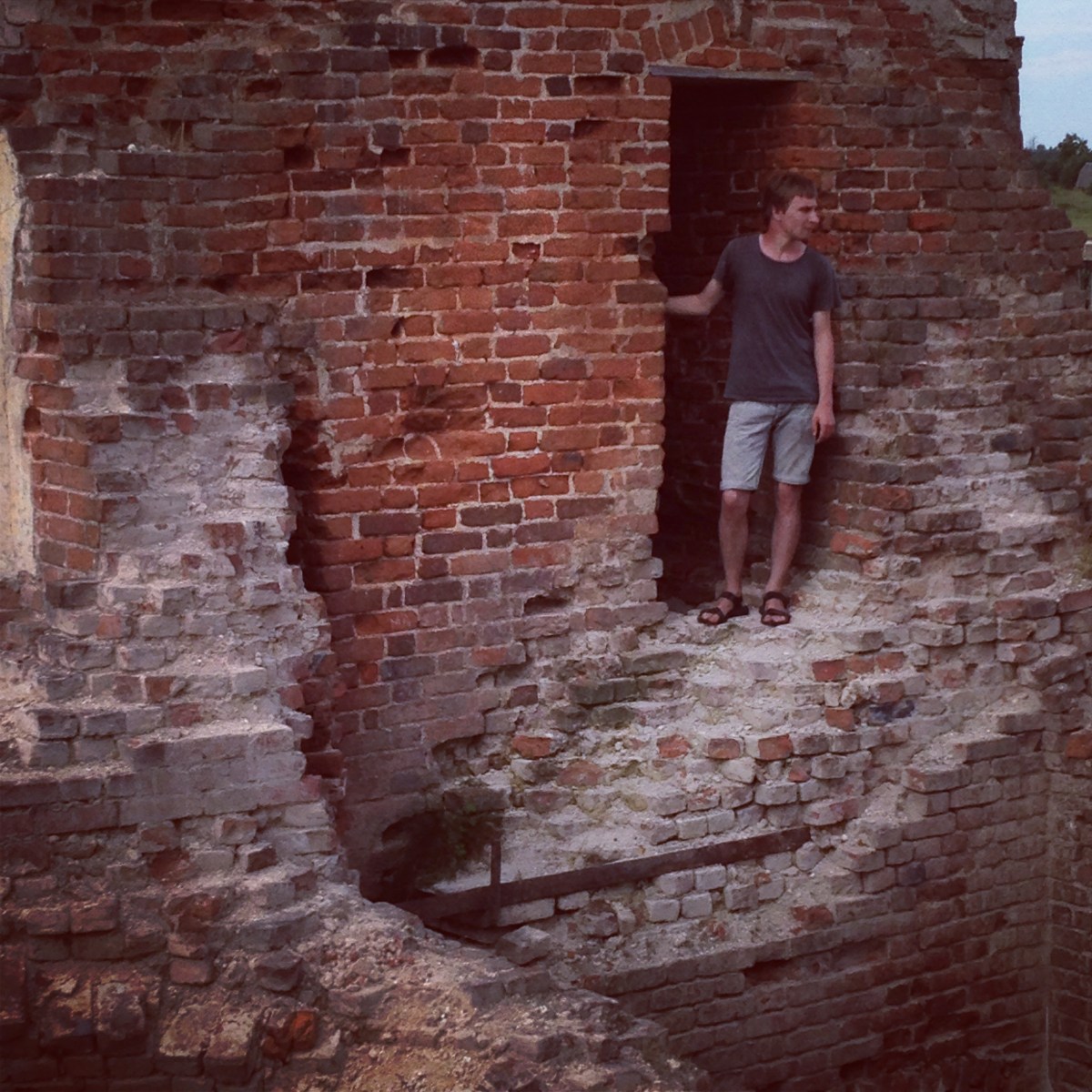
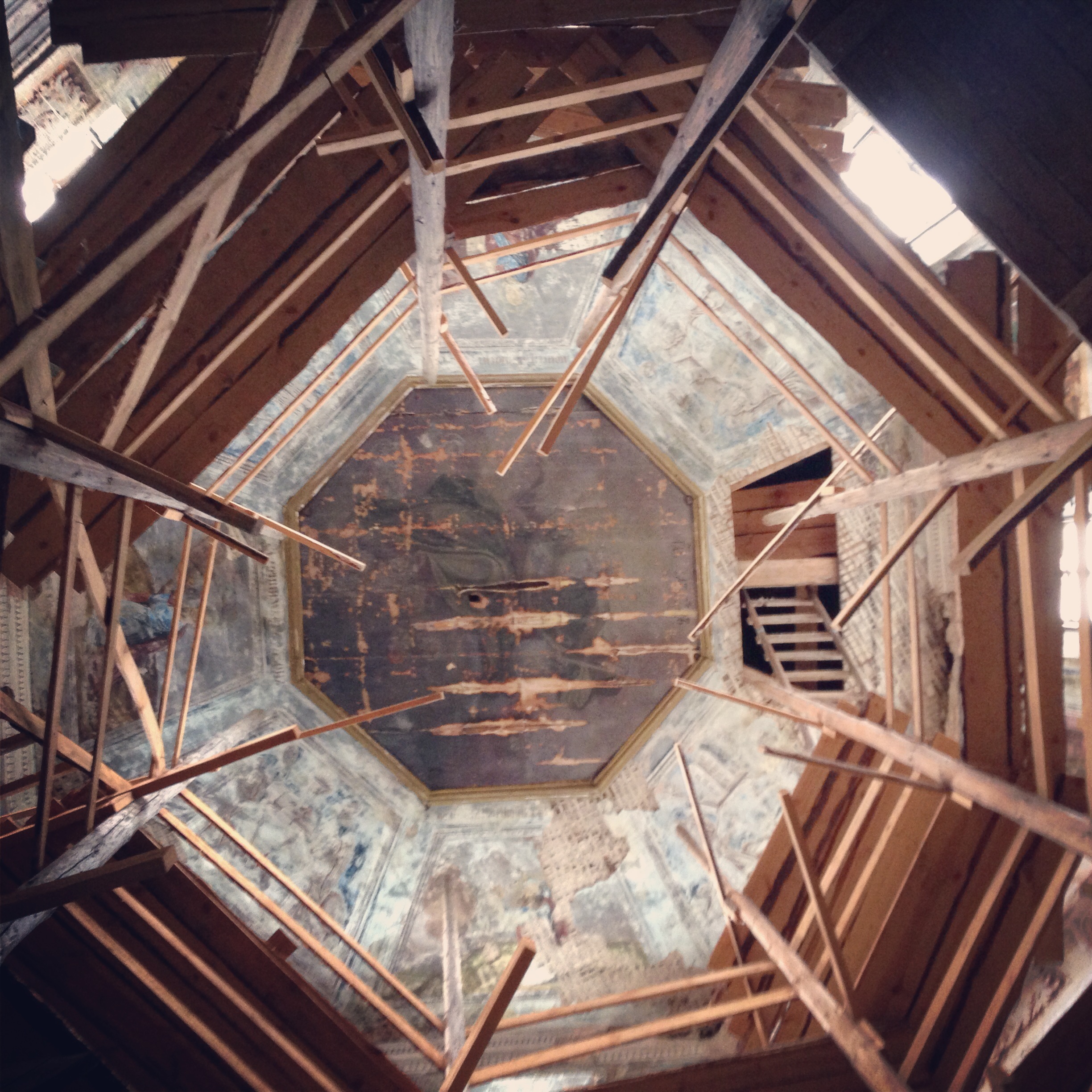
Despite recent aggressive revival of the church in Russia, there are still some abandoned ruined churches to be found all around Russia.

IMG_0338IMG_0341IMG_0359IMG_0360IMG_0362IMG_0363IMG_0364IMG_0367IMG_0339IMG_0361

roofing

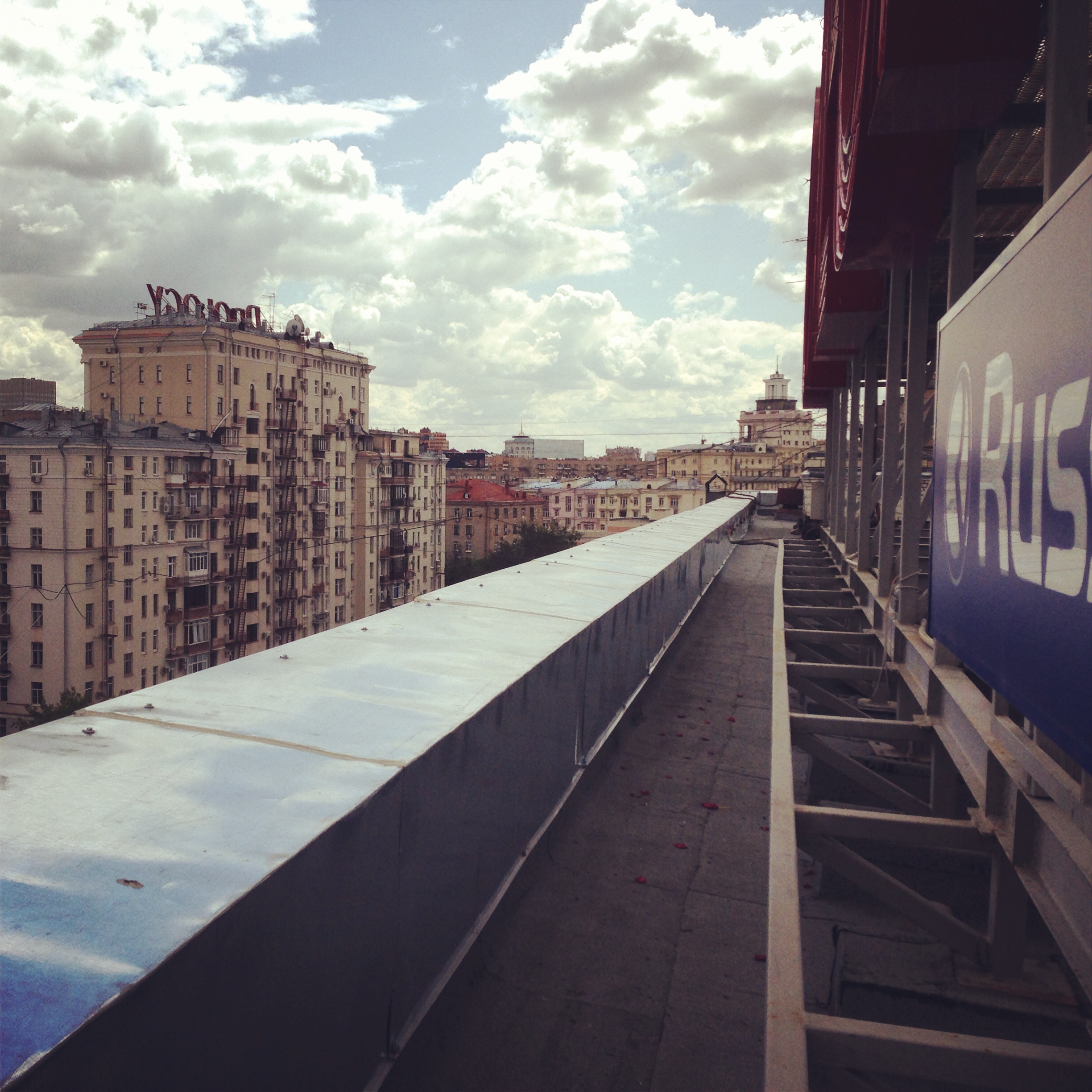
If you type ‘roofers’ or ‘roofing’ in google most of the searches will lead you to companies who fix roofs. Paradoxically, this term in Russian has been totally created from English language but does not really exist in English in the same sense.

If you type ‘roofers’ or ‘roofing’ in google most of the searches will lead you to companies who fix roofs. Paradoxically, the term in Russian [руферы, руфинг] has been totally created from English language but the word does not exist in English with that meaning – those urban explorers are rather called roof-toppers.

IMG_0354

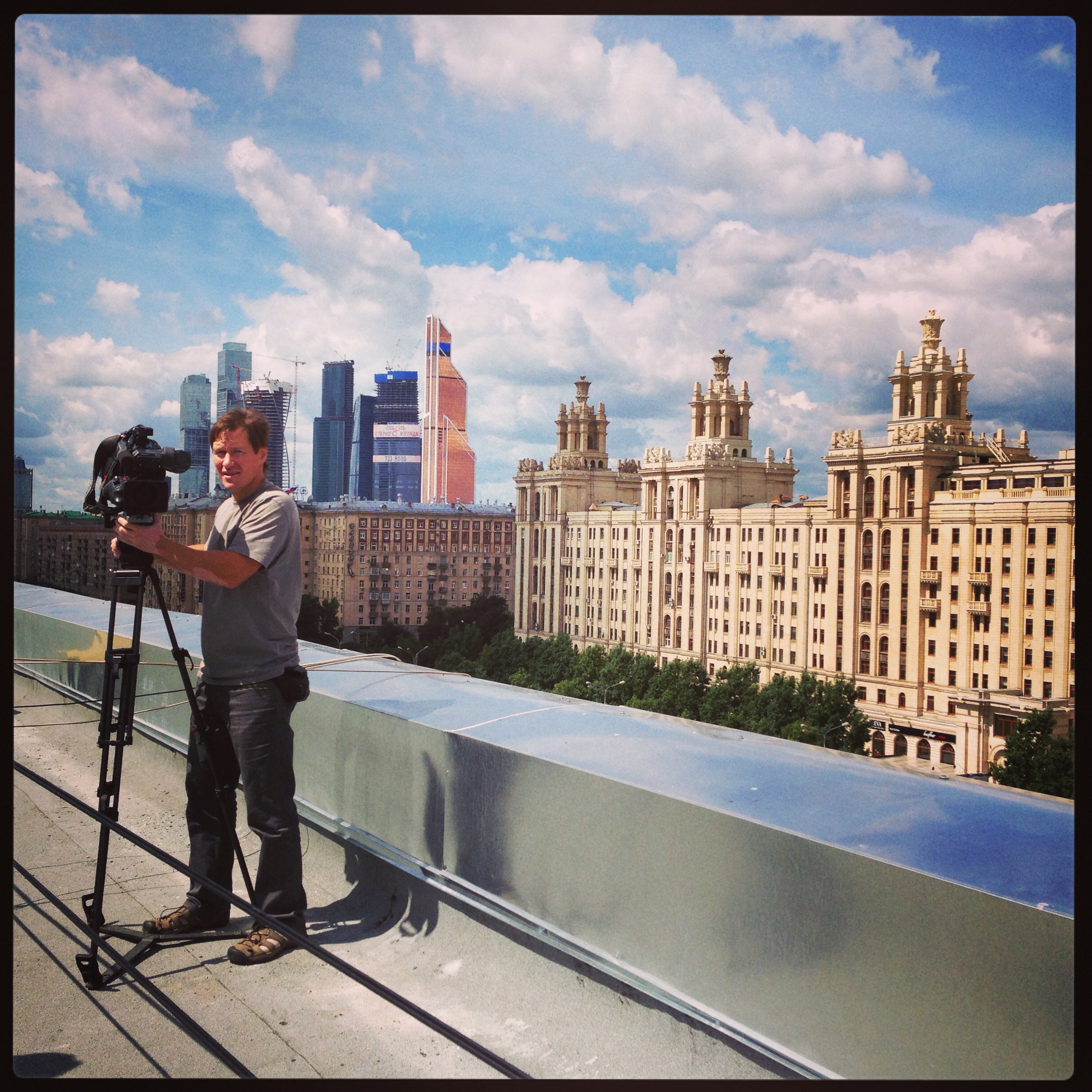
People have always climbed roofs to have a better of a city festival or to have a romantic date, but it was during 2000s (we also call them in Russia ‘zero years’ [нулевые] ) that roof-toppers formed a movement. It is based on a combination of romantic desire of young people to distance themselves from the ‘zero’ and meaningless life running down there while they are just wasting their time on the top of another roof, and of the interventionist desire to reclaim the territory of their own city (getting to a roof-top is always illegal in Russia although technically they are not anyone’s property). As roof-topers we know our city very well: all its tiny streets, all its codes and unlocked doors, all its angry inhabitants and dangerous dogs, all its back stairs and fire exists. Actually, this city belongs to us.

I have been practicing ‘roofing’ for more than three years now. Here I intend to share with you some of my thoughts about it as well as pictures.

IMG_1494IMG_1495IMG_1496

Photos: Alisa Oleva