blog

Demolition of the day: the Orbit

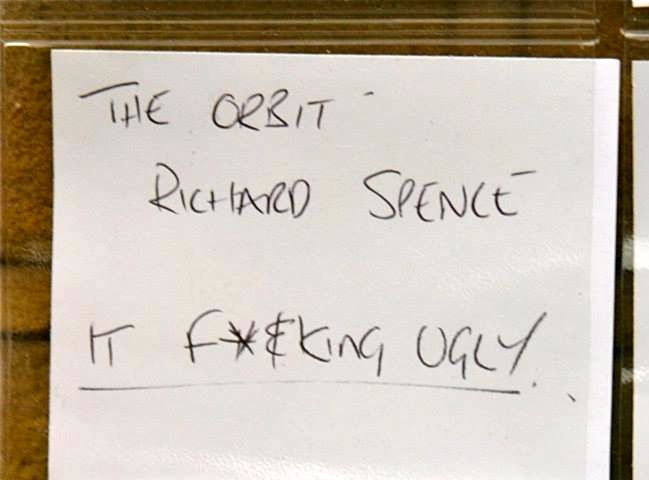
In August 2013, Richard Spence demolished the Orbit in Stratford because

It f*€king ugly.

Full title the ArcelorMittal Orbit, this metal sculpture in the Queen Elizabeth Olympic Park was due to open to the public next week. The admission price would have been £15, or £13 for local residents. According to its website, what you would have got for your money is:

Feel the ground disappear as you make the short journey by lift, 80m to the top viewing platform of the ArcelorMittal Orbit where you will experience a show-stopping panorama.

Instead, thanks to Richard Spence, we felt the Orbit disappear, clearing the landscape for a better view of the sky.

Destroying monuments part one: the dissolving city

Monuments are always more than decorative fragments of the urban scene. Here’s a public artwork that stirs up questions about their meaning, the transience of fame and “the bubble reputation” of those commemorated.

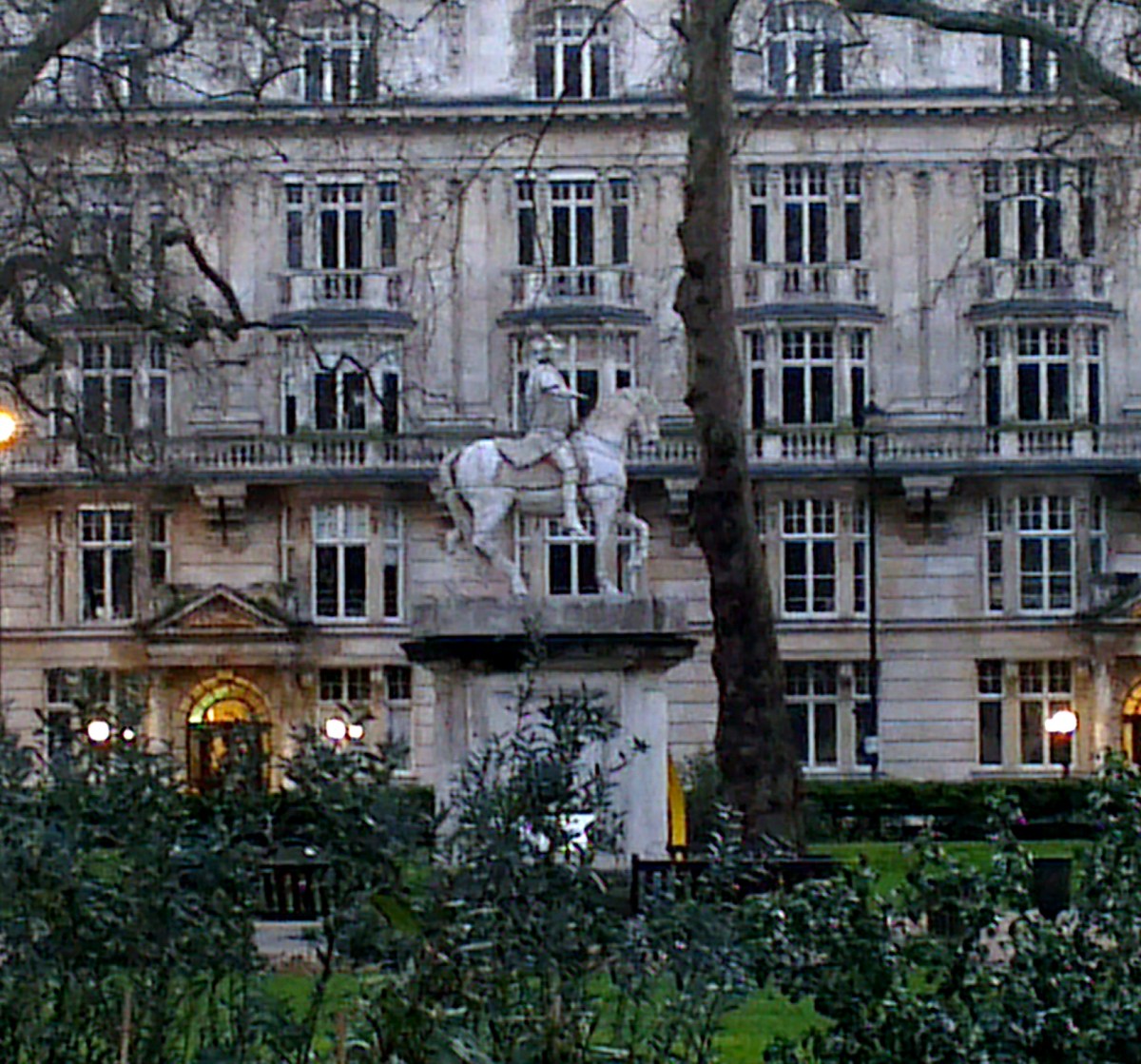
I found out the other day that Butcher Cumberland was still hanging round Cavendish Square. That’s not his official title – properly speaking, he’s called Written in Soap: a Plinth Project – but Butcher was the nickname of Prince William Augustus, Duke of Cumberland, who sits astride a horse in the middle of the square, just behind John Lewis. He’s an effective piece of public art by Korean artist Meekyoung Shin that raises all sorts of questions about the nature and purpose of monuments.

At first glance, Written in Soap is a standard equestrian statue. It looks like stone, it sits comfortably on a stone plinth and there is a little plaque telling you that it was erected in 1770. The thing is, although it was put up as a statue to the hero of the the 1746 battle of Culloden, it was taken down under a century later for political reasons, after the Duke of Cumberland had gained a shocking reputation for brutal killings and plunder (hence the nickname) and his hero status had become too tarnished to justify public memorialising. The plinth was bare until 2012, when a remarkably convincing imitation of the original was erected, in soap crafted to look exactly like weathered stone.

Written in Soap is designed to weather rather faster than stone, of course. The project was supposed to last a year, but it has worn better than expected – although the supporting metal armature is now sticking through the washed-away surface in several places – and in contrast to the original, public demand is apparently responsible for the decision to leave it in place.

I never consciously noticed the absence of a statue when I used to walk through Cavendish Square, but I remember being shocked when I first registered its presence – a man on a horse had appeared from nowhere yet it looked as if it had been there for centuries. I would have been less disturbed to see a new building – sometimes central London can seem like one giant construction site – but a modest, unassuming monument slipping into place seemed like a much bigger deal, as if I had stepped into a parallel, subtly different world, like someone in a Philip K Dick story.

Written in Soap is a work with many layers. You can simply appreciate the skill in its making or enjoy the joke it makes around the nature of the material, which convincingly imitates stone in appearance while having the opposite qualities in terms of resilience, while perhaps “washing away” the Butcher’s war crimes along with his presence. Or you can see it as a commentary on the transience of fame and “the bubble reputation” (the Duke of Cumberland went from hero to villain within a century and, before his fatty resurrection, was largely forgotten, at least in England, although in Scotland the project stirred up some anger among nationalists), or as a work that engages with the meaning of monuments and their presence in the cityscape. At the very least, it made me look twice, which is more than many works of art achieve.

But, while Written in Soap certainly looks like a monument does it qualify as one, or is it a piece of public art. And is there a difference?

In his book Written in Stone, which was one of Meekyoung Shin’s inspirations, Sanford Levinson writes that “a public monument represents a kind of collective recognition – in short, legitimacy – for the memory deposited there”. A monument is always more than just a decorative fragment of the urban scene, it’s an argument in an ongoing debate over history – what monuments depict, who decides when and where to erect them, what values are embedded in them, are all important questions.

Yet London is overrun with public statues and few people really notice them. Apparently, there are so many monuments and memorials in a part of central London between Whitehall and St James’s that Westminster council has declared in a “monument saturation zone”. But how many of us really see them or know what they represent? Even in Trafalgar Square, the central spot in the capital for people to congregate in celebration or protest, there are three plinths that tend to be overlooked, although most know that Admiral Nelson is on top of the column in the middle and that the “fourth plinth” in the north-west corner is the site of a succession of new commissions. But whose statues are on the other three? (King George IV, Sir Henry Havelock and Sir Charles Napier if you’re interested – and I had to resort to Google to discover that the latter two were 19th-century army bigwigs who played important roles in Britain’s rule over India.) How long would it take for anyone to spot the difference if they were replaced overnight?

Perhaps this is a reflection of how relaxed Londoners – and maybe the English as a whole – feel about their identity – the Scots’ reaction to the resurrection of Butcher Cavendish shows this complacency isn’t universal in Britain. Or perhaps it’s to do with the fall from fashion of the “Great Man” view of history, or of figurative art in the west – certainly more recent monuments and memorials in London have tended to be non-figurative. Elsewhere, the survival and significance of statues has been a very different story.

Part two of this piece looks at the smashing up of monuments that refuse to gently dissolve in the rain, in countries where national identity is far hotter issue.

• Thanks to Jonathan Polkest for reminding me about Written in Soap: A Plinth Project. For more on the artwork and Meekyoung Shin, see the website and Facebook page


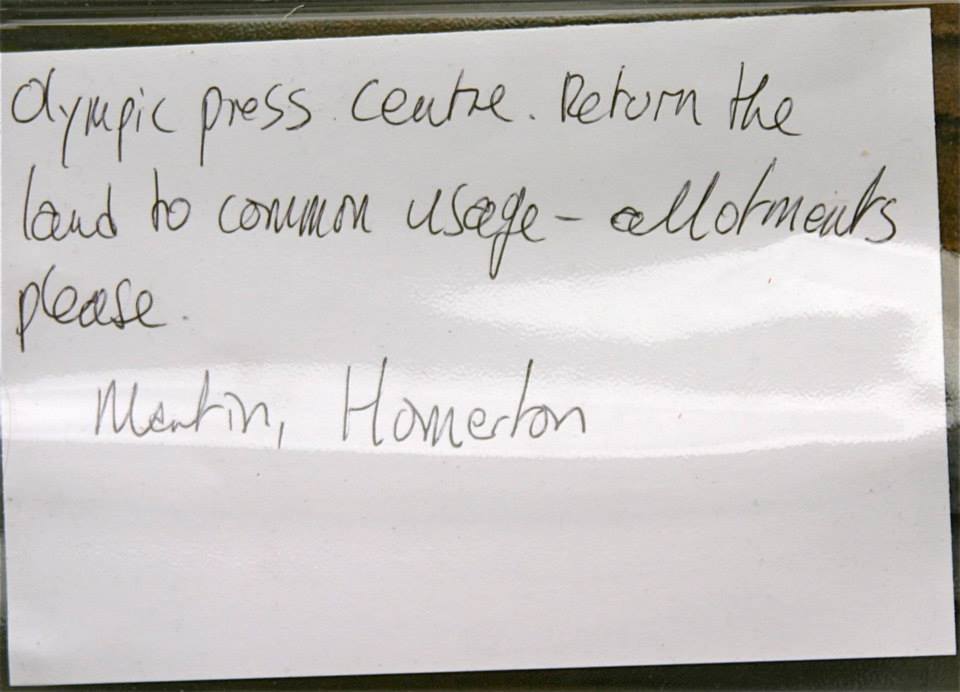
Demolition of the day: the Olympic Press Centre

In August 2013, Martin of Homerton demolished the Olympic Press Centre in Stratford in order to:

Return the land to common usage – allotments please.

Martin’s action will go someway to restoring the Manor Garden allotments that were controversially demolised in 2007 to make way for the 2012 Olympics site.

High Voltage Research Centre

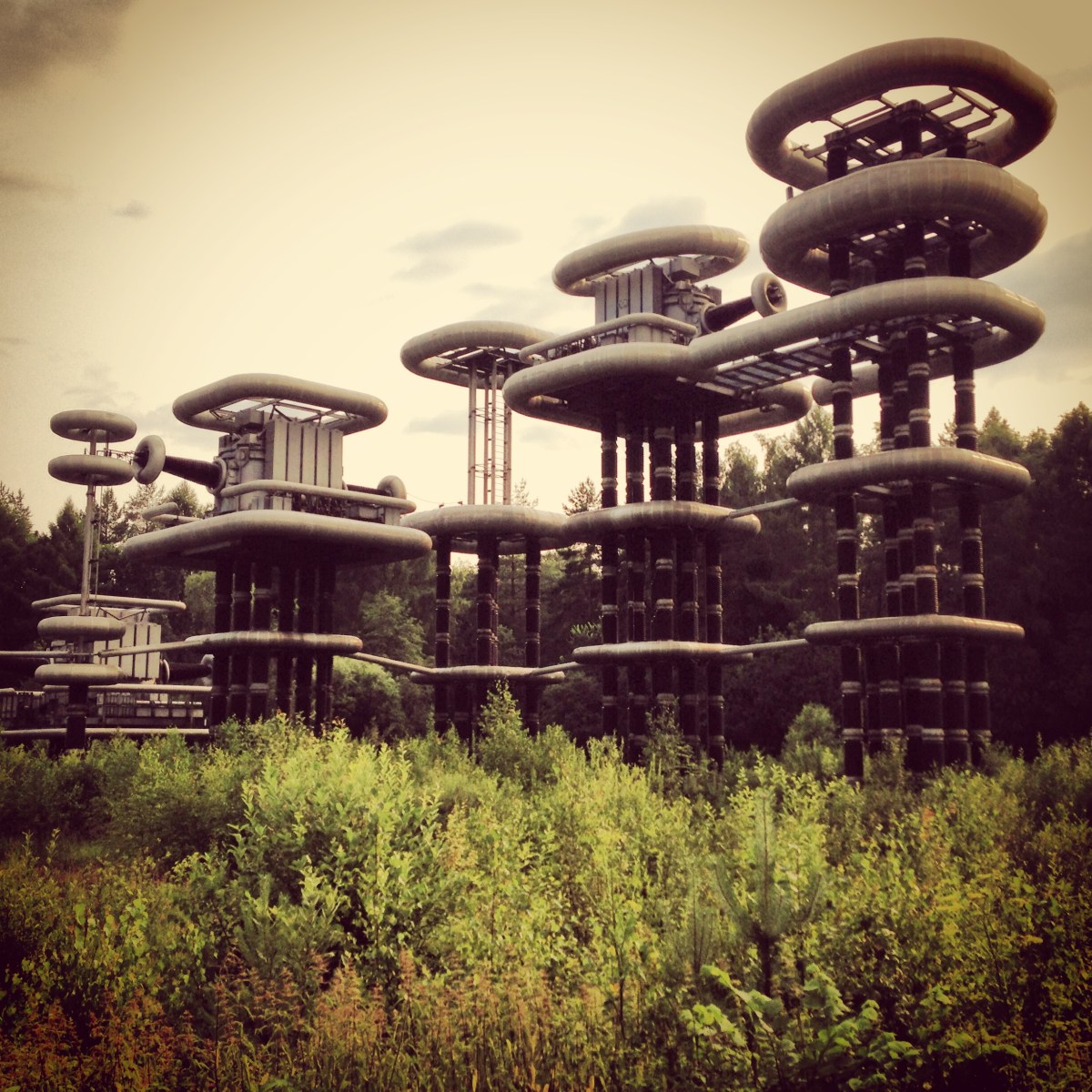
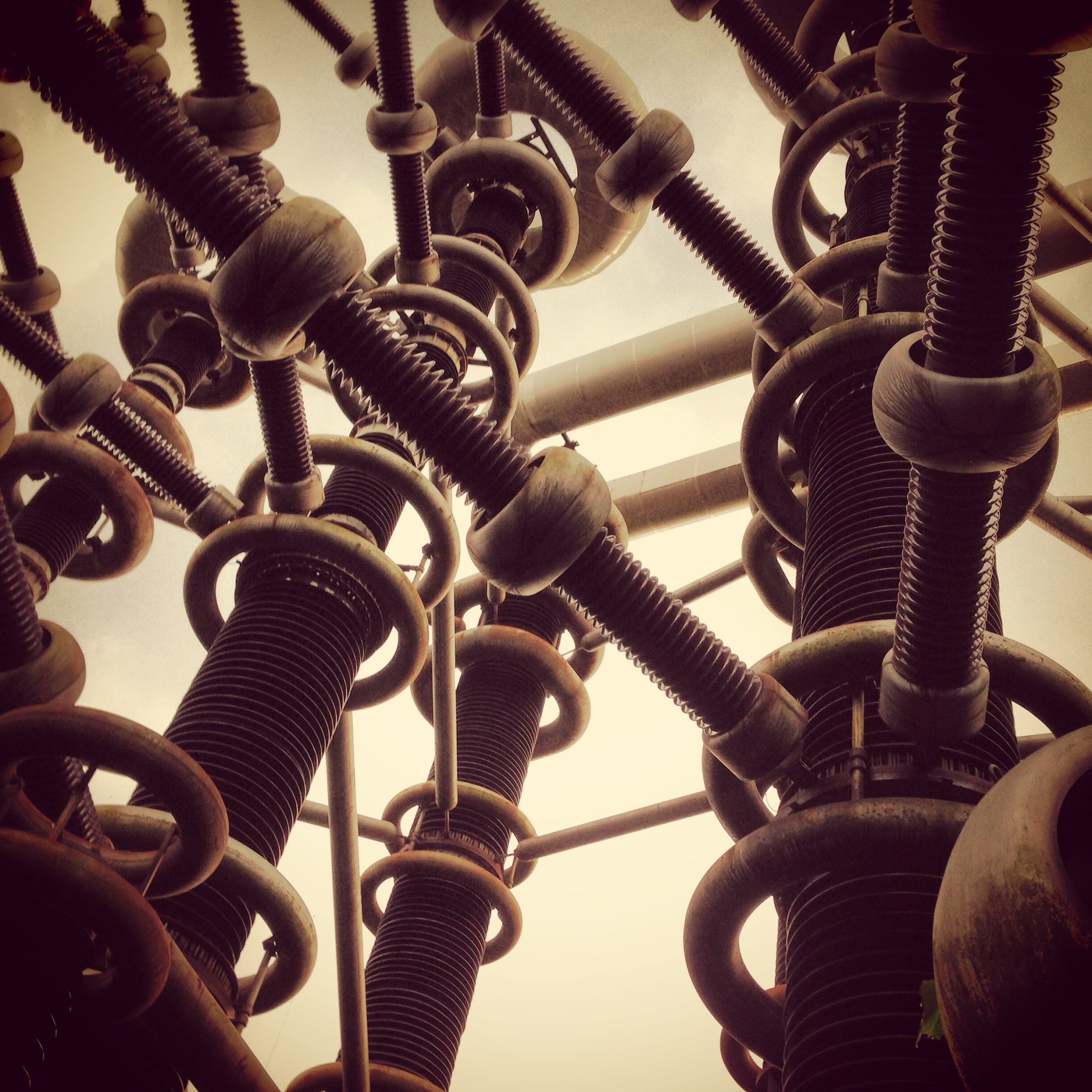
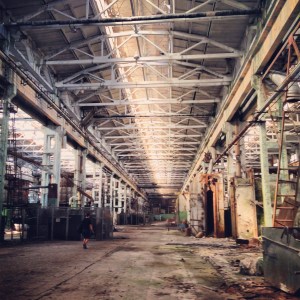
In the middle of the woods by Istra, not that far from Moscow, you can find a strange structure.

In the middle of the woods by Istra, not that far from Moscow, you can find a strange structure. It is a test bench where scientists study the lightening. It is still working but you can organise an official visit to it and a very nice old gentlemen will talk for hours with you about the lightening. If you are lucky he will even show an artificial lightening to you.

More information here

IMG_0022IMG_0024IMG_0027IMG_0028IMG_0029IMG_0016IMG_0020IMG_0023IMG_0021IMG_0018IMG_0019IMG_0025   IMG_0030IMG_0031

Photos by Alisa Oleva

a return to Dzerzhinsk

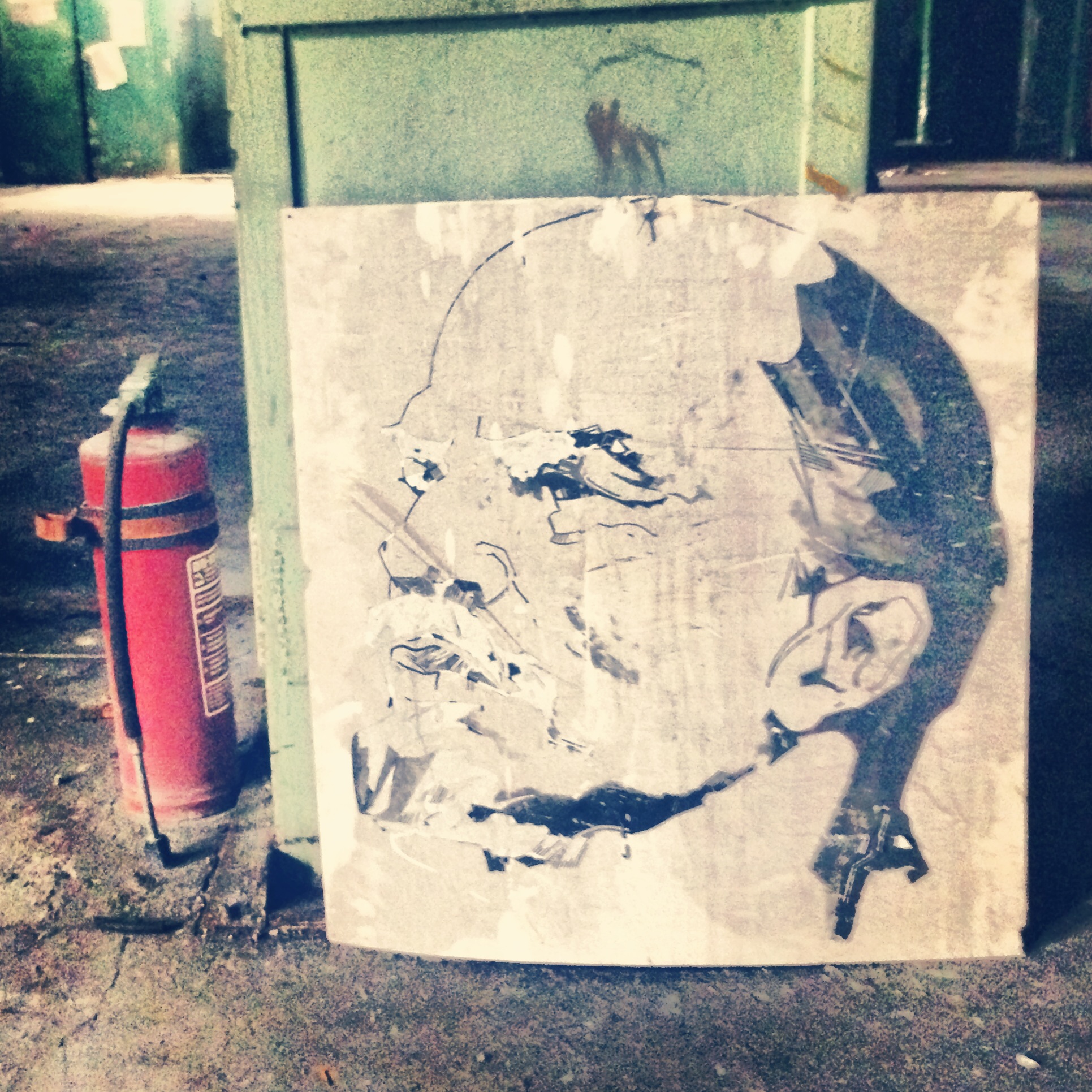
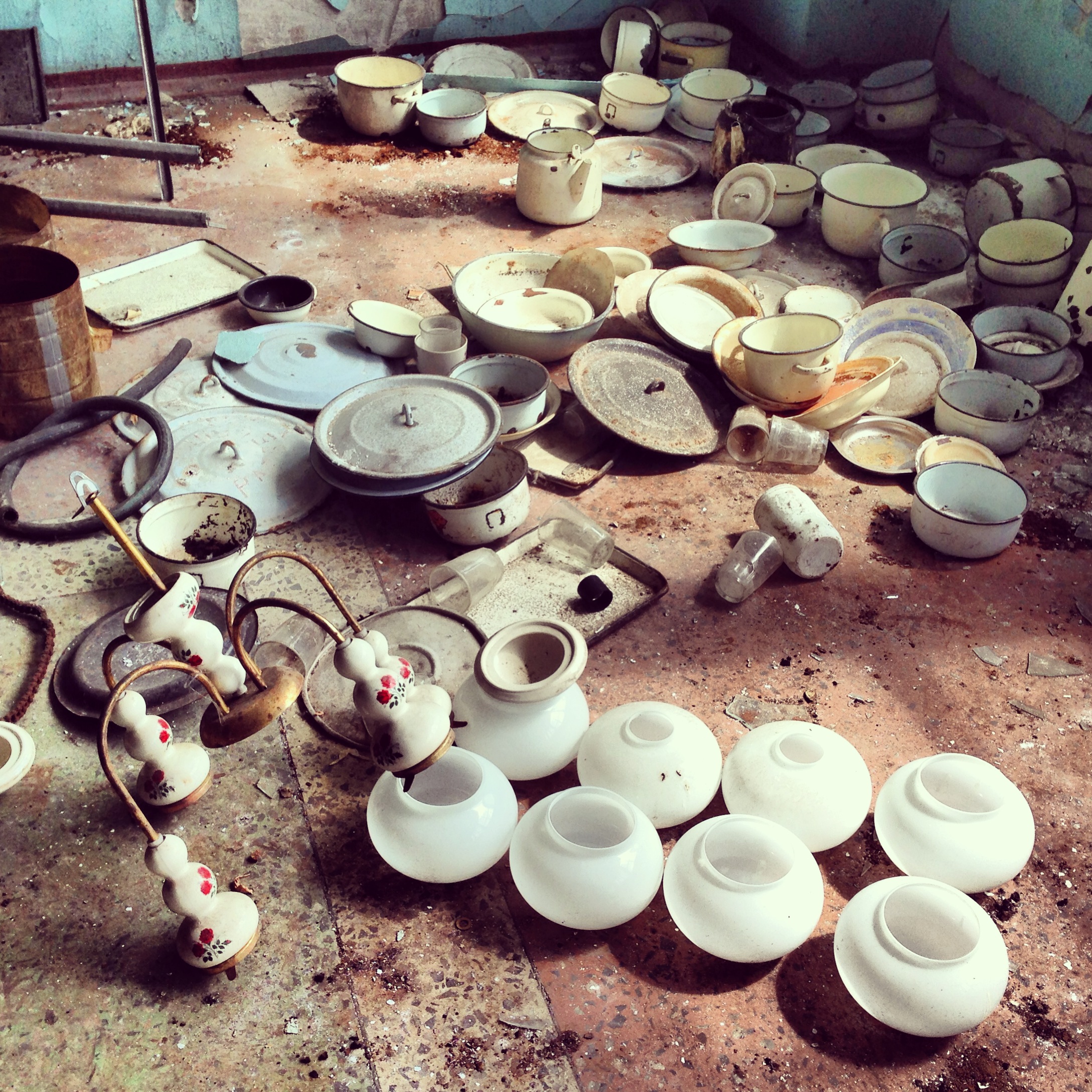
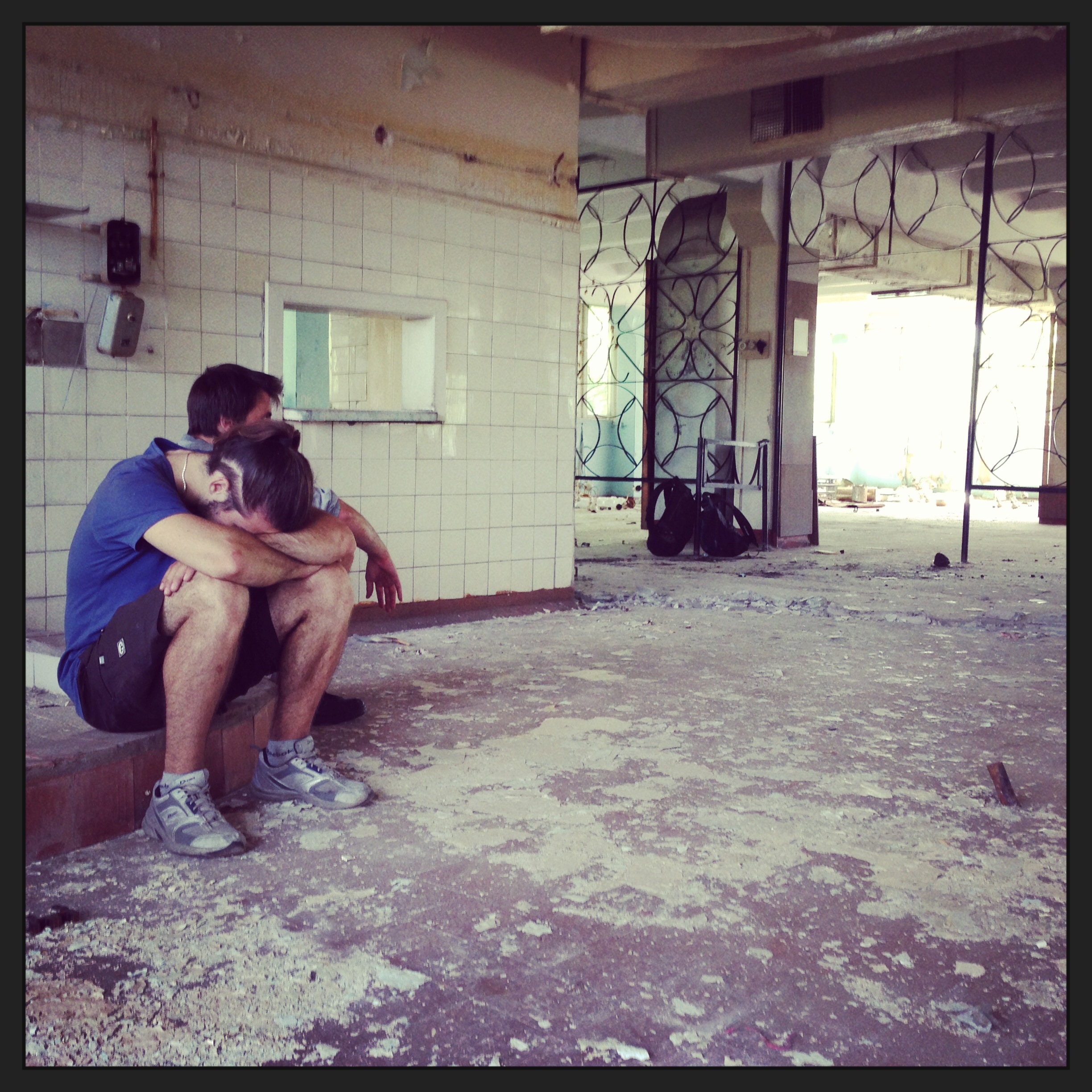
Due to Russian climate you can see everything through two different filters: covered in white snow during winter and surrounded by green trees in summer. The abandoned buildings look especially different depending on the season.

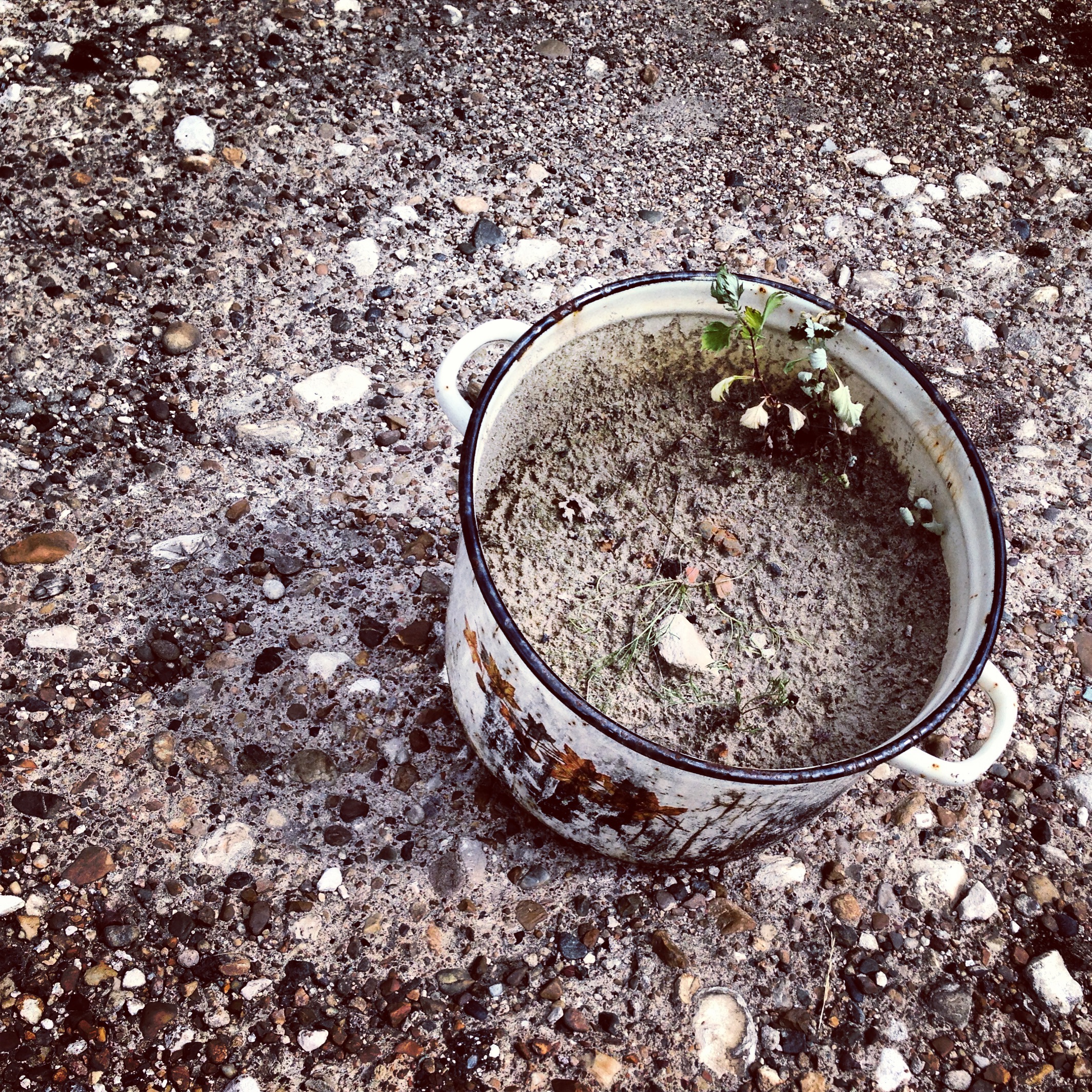
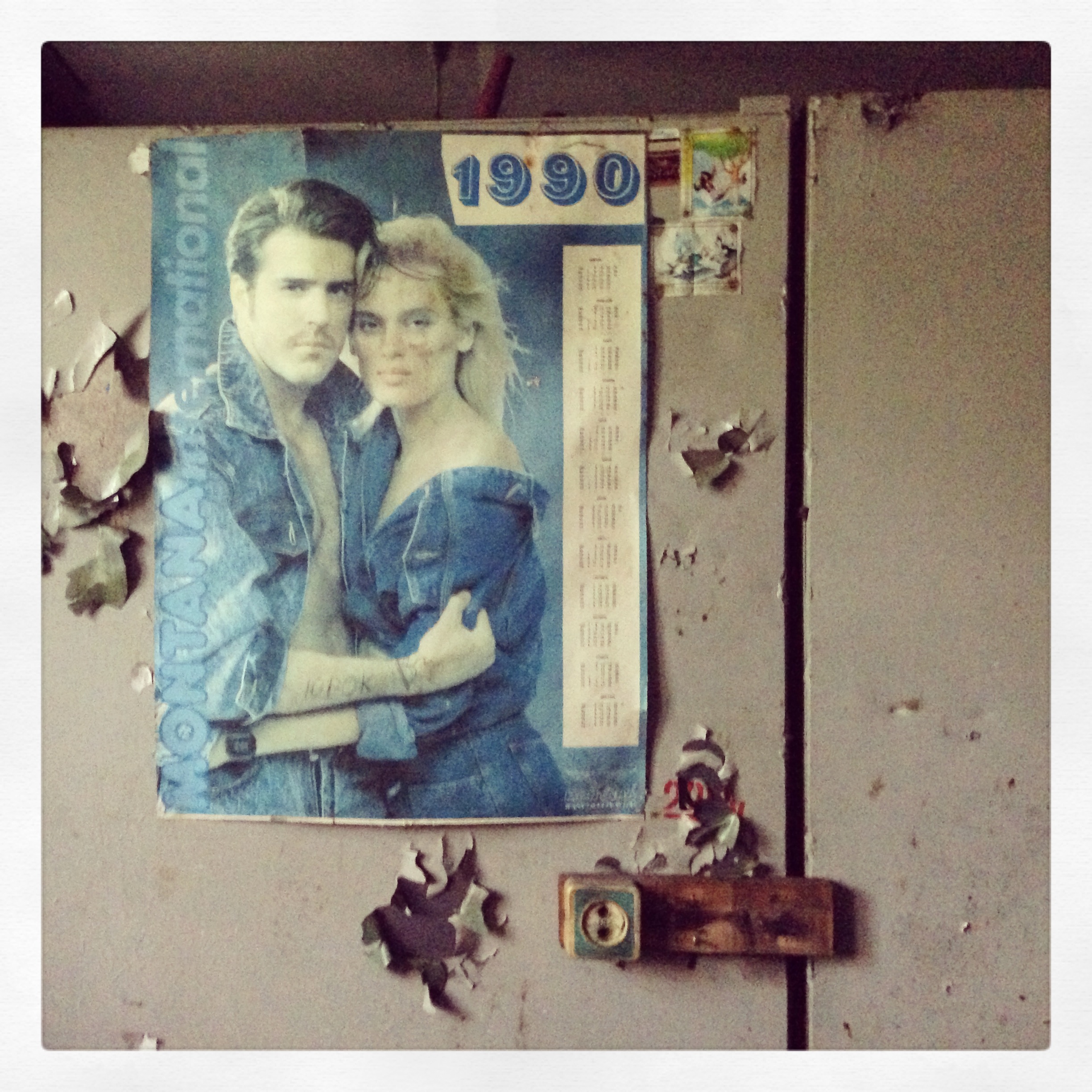
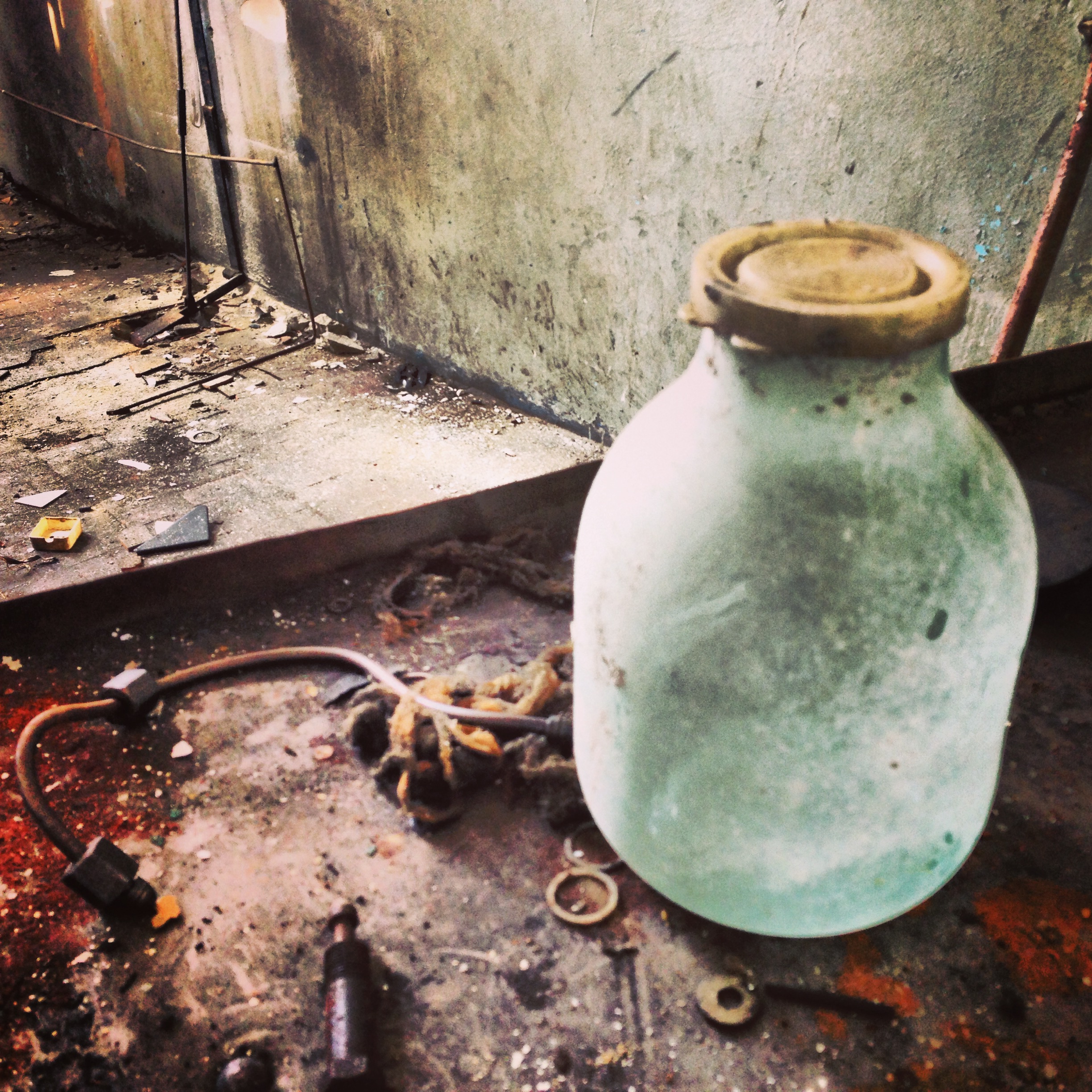
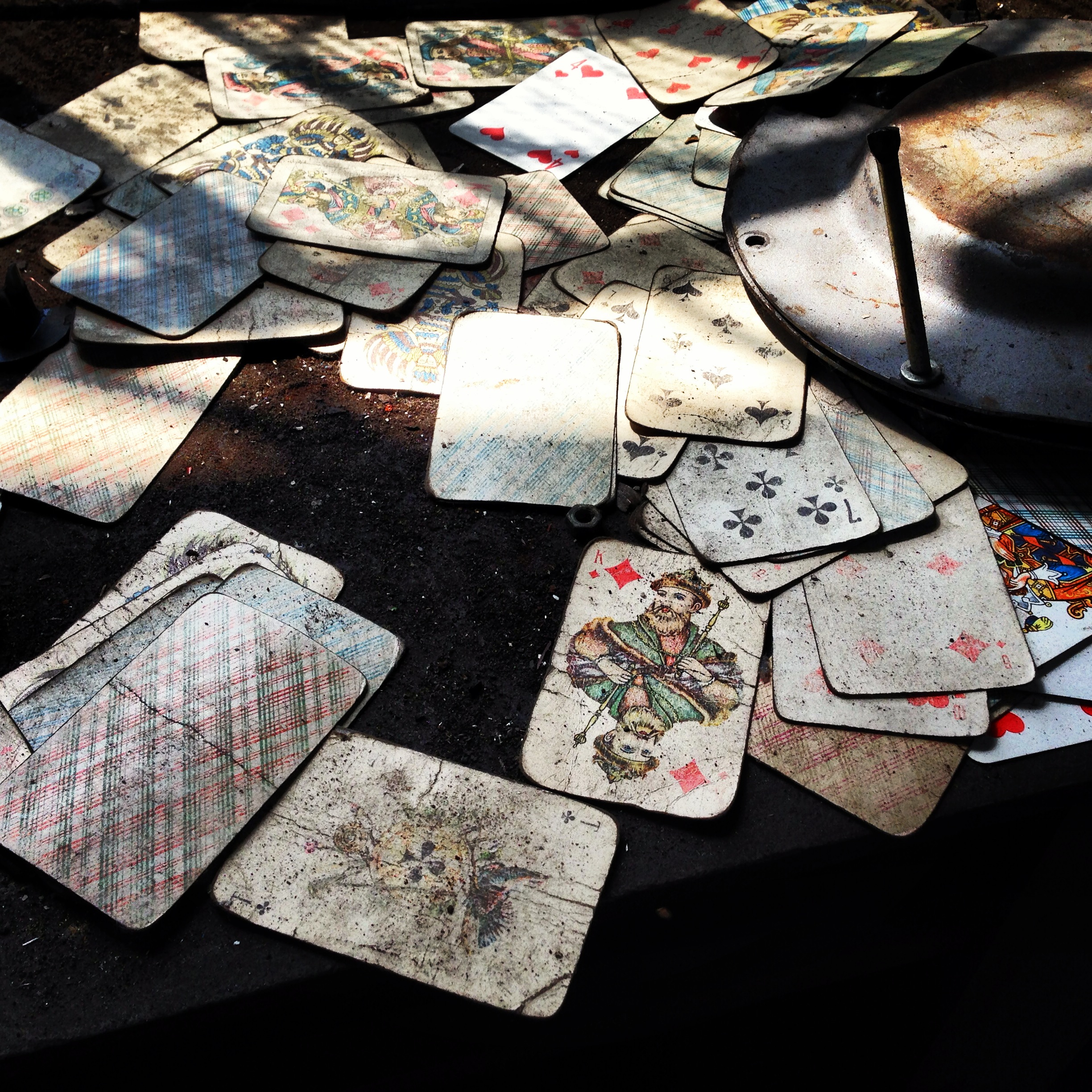
Due to Russian climate you can see everything through two different filters: covered in white snow during winter and surrounded by green trees in summer. The abandoned buildings look especially different depending on the season. This is why we decided to re-visit the Zarya factory in Dzerzhinsk again in July. It was totally worth it. And, as usual with such huge abandoned sites, we discovered new buildings and rooms we did not get into during our first visit.

IMG_1472IMG_1466IMG_1467IMG_1476IMG_1473IMG_1475IMG_1463IMG_1469IMG_1462IMG_1464 IMG_1468 IMG_1470       IMG_1477IMG_1478 IMG_1480IMG_1481

Photos: Alisa Oleva

reclaiming Nevsky Prospect for pedestrians

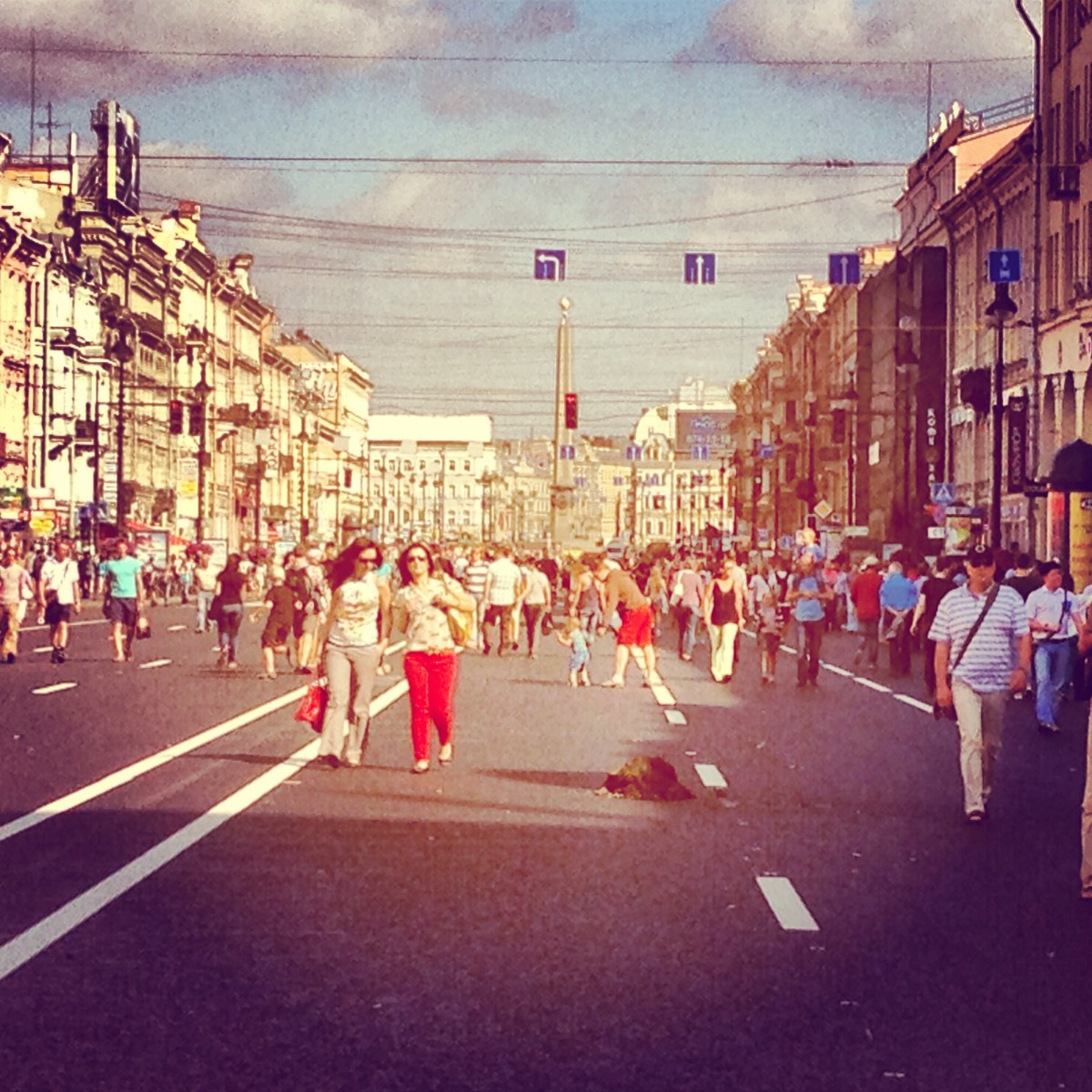
“There is nothing better than Nevsky Prospect, at least for Saint Petersburg; it simply constitutes everything for the city”, – this is how Nikolay Gogol described the main street of Saint Petersburg in his book.

“There is nothing better than Nevsky Prospect, at least for Saint Petersburg; it simply constitutes everything for the city”, – this is how Nikolay Gogol described the main street of Saint Petersburg in his book.

In July 2013 Nevsky Prospect has undergone planned reconstruction which involved closing part of the street for cars during the weekend. This allowed to make it available for pedestrians’ use during that time. The citizens admired it entirely: hundreds of people were walking, drawings with chalk, playing instruments and making small performances. It even encouraged an initiative to try and convince the city administration to make the main street of the city available for pedestrians on every weekend in the future.

While it remains unlikely that this will ever happen, it is a curious example of how a moment of destruction during which the roads were ploughed up to put new asphalt, created an impulse and possibility for regaining part of one’s own city.

IMG_1589 IMG_1590IMG_1591

the second photo says: “Be a Pedestrian!” and the third: “Nevsky to the Pedestrians”

Photos: Alisa Oleva

Transformations at Tesco: a walk round Stoke-on-Trent

Exploring refrains for uncertainly sacred spaces, or a report on walking as imaginative adventure

The other day I went for a walk in Hanley, Stoke-on-Trent. It’s quite a long way to go just for a walk (about two and a half hours on the train) but there were at least two things that made it worthwhile: it was part of the events around AirSpace Gallery’s Walking Encyclopaedia exhibition which I wanted to see, and it was led by Phil Smith, artist/writer/performer and progenitor of Mythogeography, which is like psychogeography but also quite different (have a rummage in the capacious and inspiring website to find out more).
stoke abc

The walk, titled Refrains for Uncertainly Sacred Spaces, started at AirSpace, a warm and welcoming artist-run gallery whose Glen Stoker came with us on the walk armed with a video camera. The Walking Encyclopaedia exhibition, which includes Tim Knowles’ solo show, Paths of Variable Resistance, ends on 15th March but I hope it will be archived for future reference at the end rather than dispersed – it’s a dense and wide-ranging collection of documentation of “walking as a cultural practice” by contemporary artists, including artist books, leaflets, instructions, videos, photos etc. There’s also a blog to accompany it.

Before we set out, Phil introduced the walk by talking a little about his current interest in privacy and exposure, and also describing the afternoon as an experiment – so if things didn’t quite work that would also useful. There were about 20 of us – a strange and interesting mix of people, some of us shod for a cross-country hike (me) and others who knew or guessed it wouldn’t be quite so arduous. In fact, we never strayed very far from the gallery – the walk proved to be a detailed exploration of the “uncertainly sacred spaces” all around us, and a strenuous workout for the imagination rather than the leg muscles.
stoke chapel

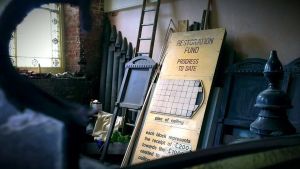
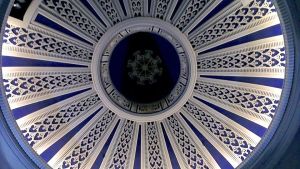
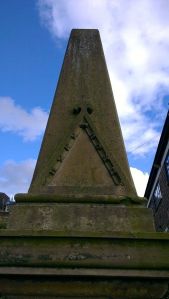
Those spaces included a patch of wasteland that was once a cinema, the arches leading to Tesco’s car park, some peculiar flower beds seemingly modelled on an altar for human sacrifice, unmonumented plinths in a former graveyard, cryptic marks on a wall, a Methodist chapel suspended in aspic-dust halfway between ruin and restoration, and the empty stage of the Regent cinema. We also walked very slowly around the Richard Long exhibition in the Potteries Museum, trying to get in touch with the spirits of the architects behind the 1960s building, and we clustered into a pedestrian horse outside the horseshoe-shaped doorway of a legal chambers. Along the way we cast health and safety to the wind, climbing over hillocks and holes and broken floors and risking arrest (or drawing attention) by quietly looking for things to steal, committing tiny acts of arson or disguising ourselves in black masks (our own personal patches of darkness)…
stoke regency1

This was walking as an imaginative adventure, full of suggestions to look harder at the urban furniture we take for granted and invitations to create fictions for ourselves, whether projecting a memory of darkness onto an imagined blank screen or stealing words from a derelict space. Some parts worked better for me than others – I was quite shocked that I felt a deep resistance to the idea of desecrating a chapel with sneak-thiefery, even if it was a symbolic rather than a real crime. On the other hand, walking round with a secret piece of darkness in my pocket was deeply appealing and the idea of later using that darkness (a small patch of cloth) as a veil of privacy had resonances I’m still pondering. Geographically, we covered a very small patch of ground but that meant we had time to explore it in detail within the various fictional frames that Phil suggested and supported with small invented (or excavated) rituals. What was on offer was a different way of seeing and relating to the everyday, a way to access something hidden beneath the skin of the banal.

stoke boilerstoke obelisk

Thoughts on walking art

I have vague feelings of discomfort around the idea of walking as art, or as a “cultural practice”. For one thing, it seems extraordinarily pretentious to anyone not involved with the art world to label as art an activity as basic and commonplace as eating or urinating. But this is also something I find exciting – it has the capacity to tread that invisible line at the border of art and the everyday, to explore that line and perhaps to blur it.

It can be participatory, pleasurable and potentially open to everyone; or private, esoteric and difficult, available to only the initiated. Or anything between these two. It can be an ongoing project that anyone can pick up and practise for themselves, or a one-off, unrepeatable event only thoroughly experienced by the artist, with the audience allowed crumbs from the table – fragments of documentation or recollection held captive in a stark white gallery far from the action. Either way, it doesn’t easily produce something that can be collected by oligarchs or sold at Sotheby’s for headline-making sums.

Perhaps the obstacle is the label – is it possible to just think of this activity as walking? What is the distinction between undertaking an “art walk” and simply using one’s feet to get around or go for a hike or take an old-school guided tour? All of these walks can have varying degrees of structure and direction. I think the artist’s walk might tend to have the intention of affecting the participant or the audience in some way, whether by involving them in an unusual activity or shifting the way they perceive and process the world. This was certainly true of Phil Smith’s walk, at least for me.

But it can be quite a subtle distinction. Ben Waddington, talking about his current festival of guided tours in Birmingham, says “The Still Walking outlook is that everything around us is worth looking at, thinking about and talking about” – which seems to make that vital connection between walking as a popular pastime and the aims of types of participatory art – does there really have to be a big gap between walking art participant and someone who takes a country walk to look at the landscape or who goes on a tour to learn about the history of a place? But of course, framing a walk as art allows you to apply for a grant or use it as research material for a PhD, which is quite another matter; it can also alienate people who would otherwise engage with and enjoy the experience.

I don’t have a clear answer at the moment. Any comments would be appreciated.

Some links

• AirSpace Gallery

• Phil Smith’s Mythogeography site

• Still Walking festival

• Walk On “From Richard Long to Janet Cardiff – 40 years of art walking”, an exhibition at Mac arts centre in Birmingham until 30 March 2014

• The Richard Long exhibition has ended at Stoke but it will come to Burton Art Gallery and Museum in Devon from October
Demolition of the day: White City flyover

In June 2013, Frances demolished White City flyover because:

Under this flyover are is a load of temporary housing. So families are having to live with billions of cars flying above their heads the whole time… So getting rid of the flyover give them a bit of peace & quiet.

roof-topping in Saint Petersburg

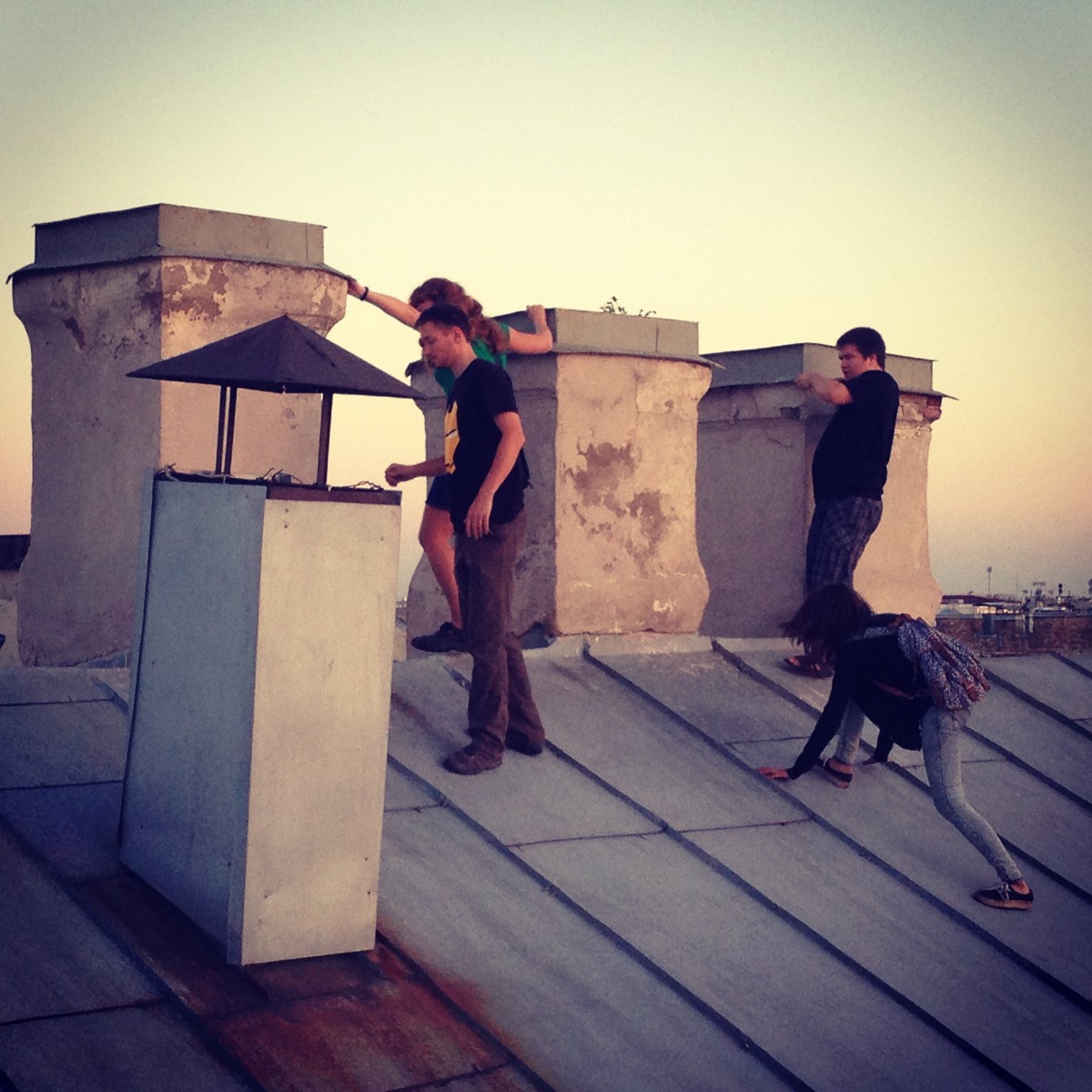
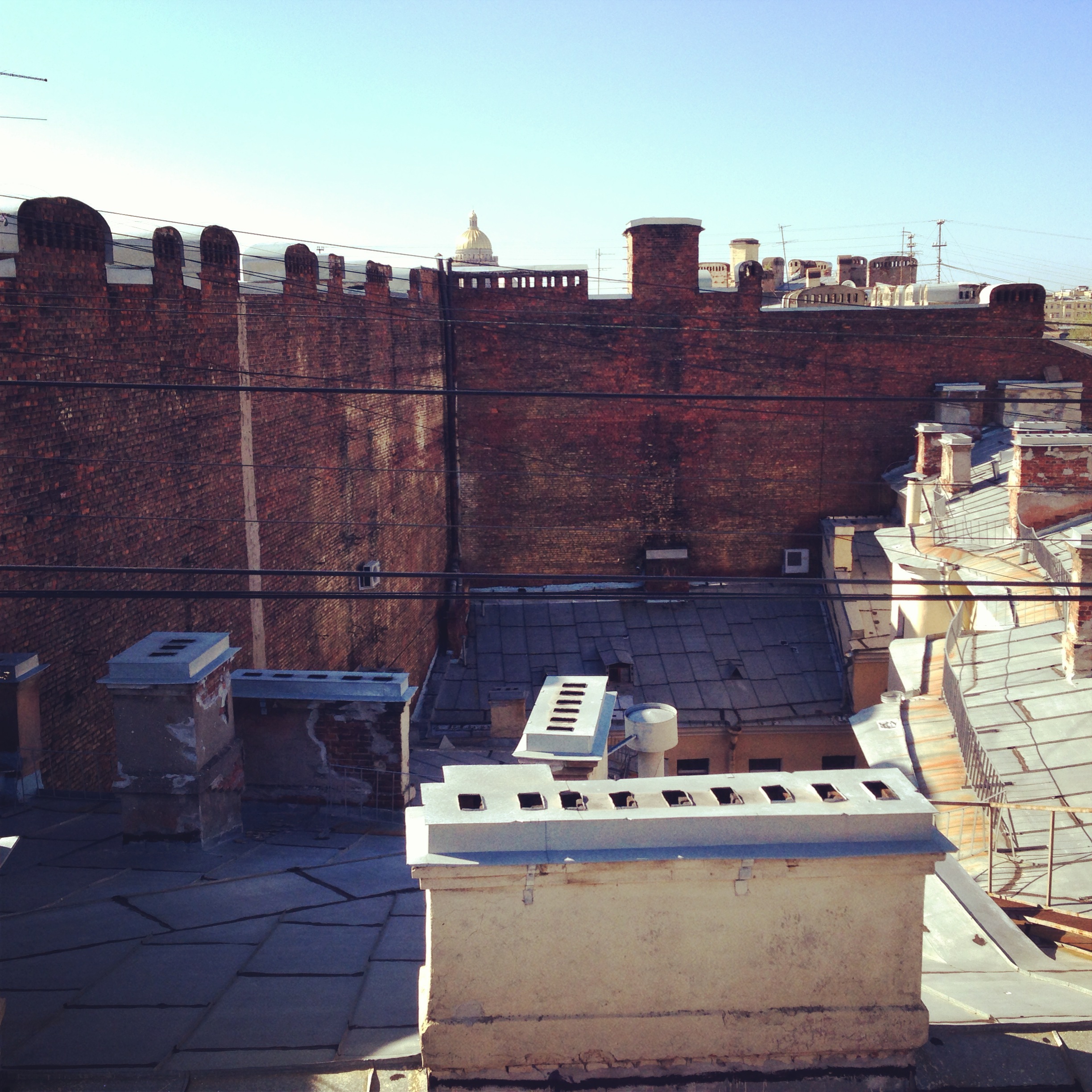
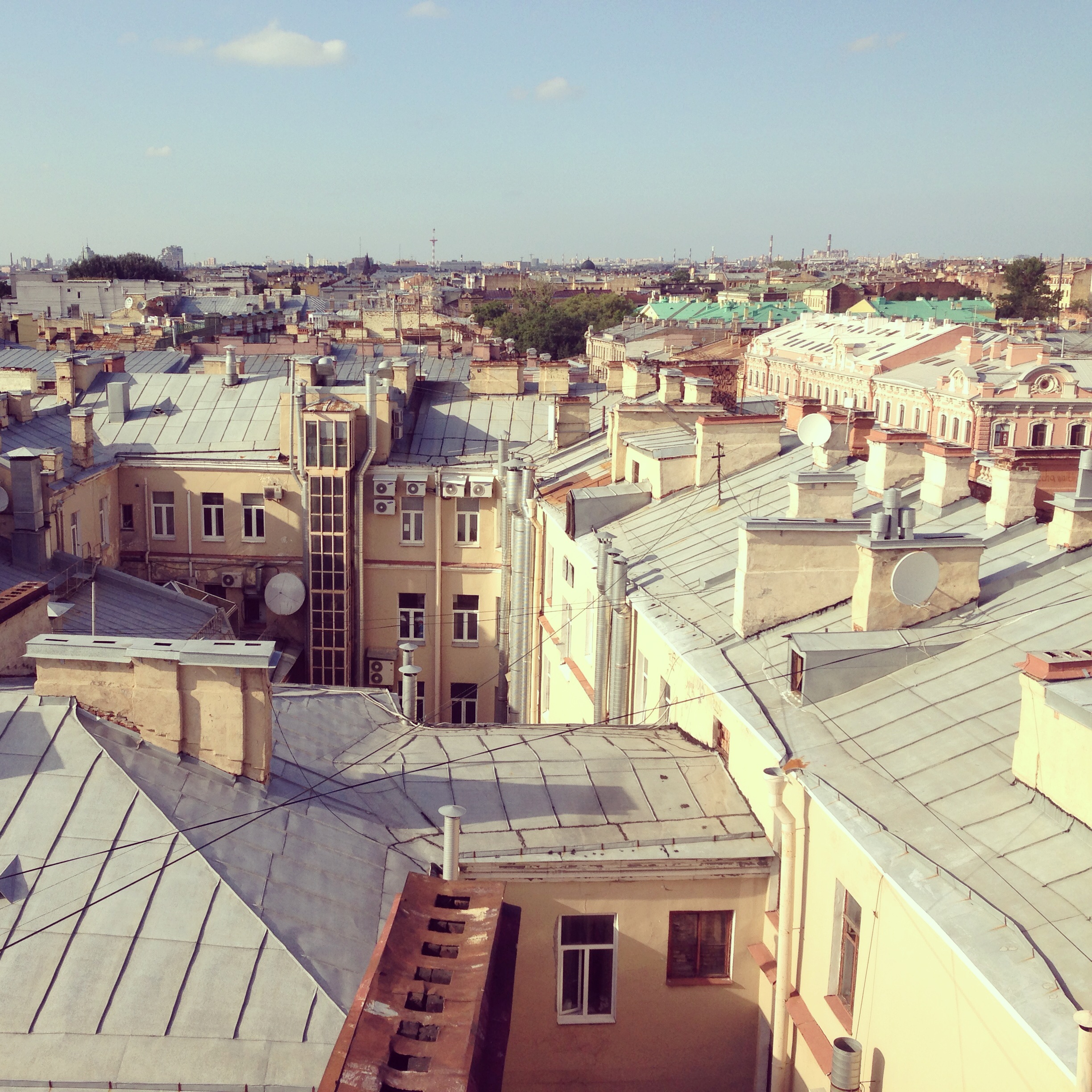
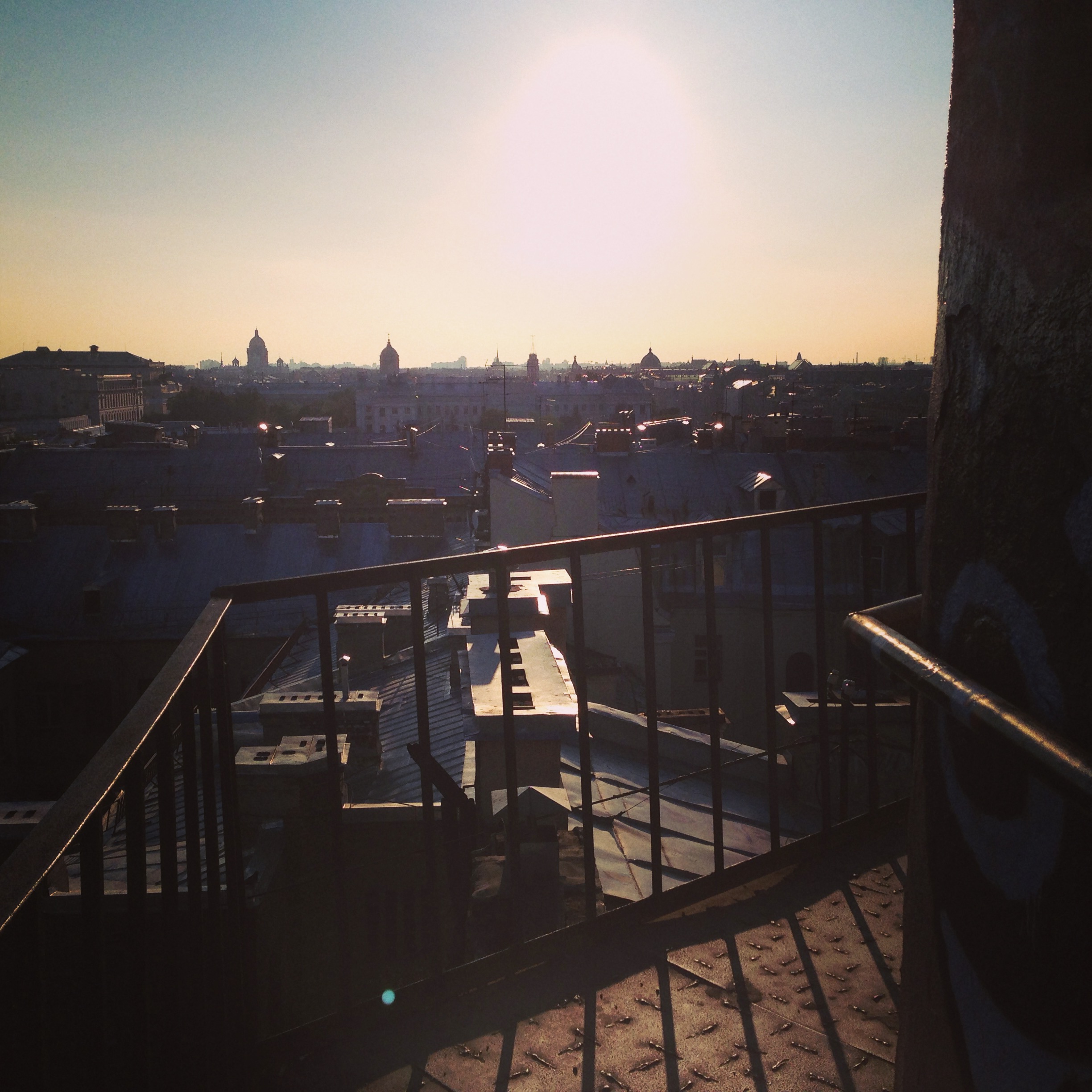
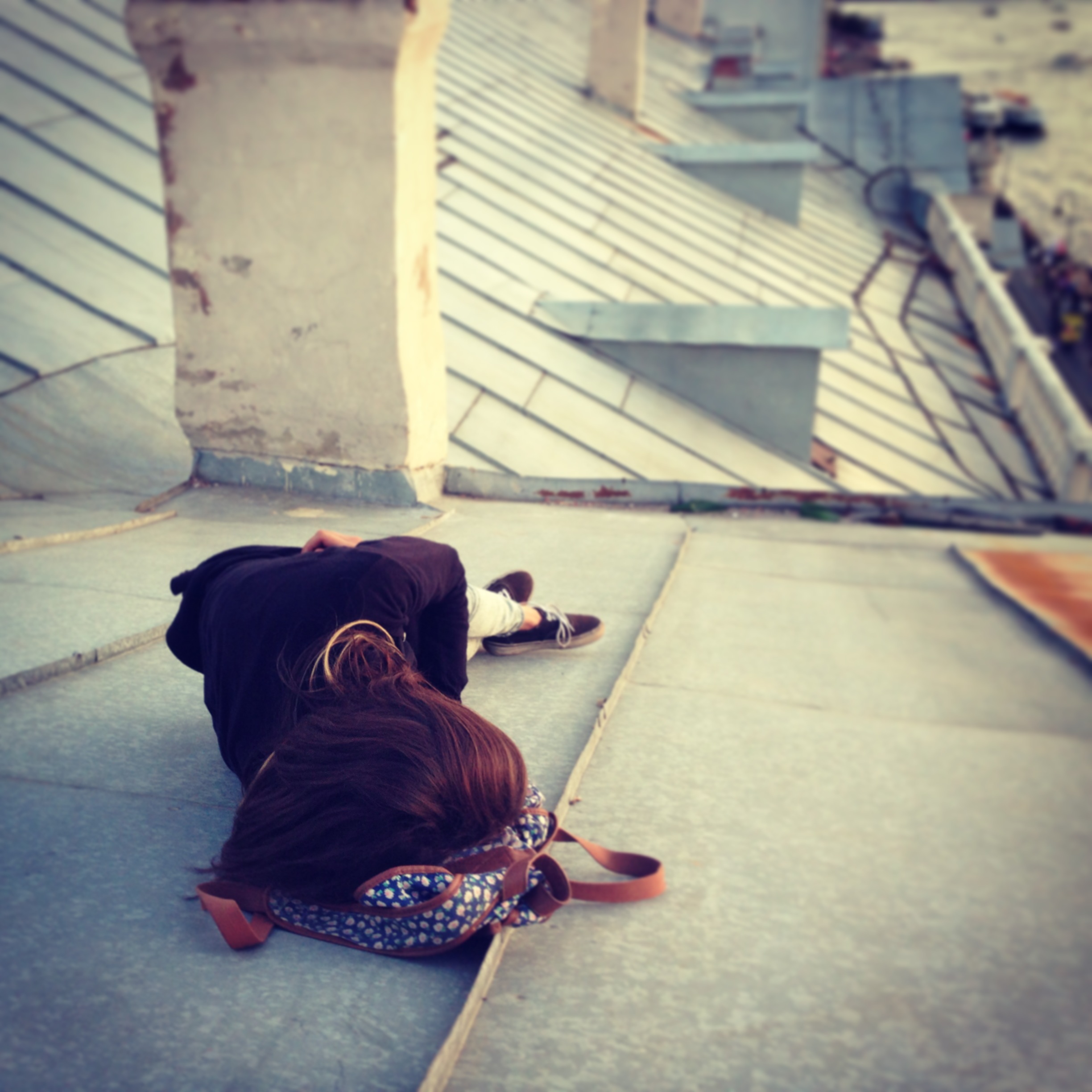
Saint Petersburg is famous for its rooftopping due to several characteristics of the urban structure of the city itself. Most of the rooftops are open and not CCTVed so it is much easier to access them unlike in Moscow. Also, the city is famous for its ‘system of roofs’: the houses stand in one line without a gap between them along the street so you can walk from one roof to another. Sometimes you can walk the whole street along the rooftops.

Saint Petersburg is famous for its rooftopping due to several characteristics of the urban structure of the city itself. Most of the rooftops are open and not CCTVed so it is much easier to access them unlike in Moscow. Also, the city is famous for its ‘system of roofs’: the houses stand in one line without a gap between them along the street so you can walk from one roof to another. Sometimes you can walk the whole street along the rooftops.

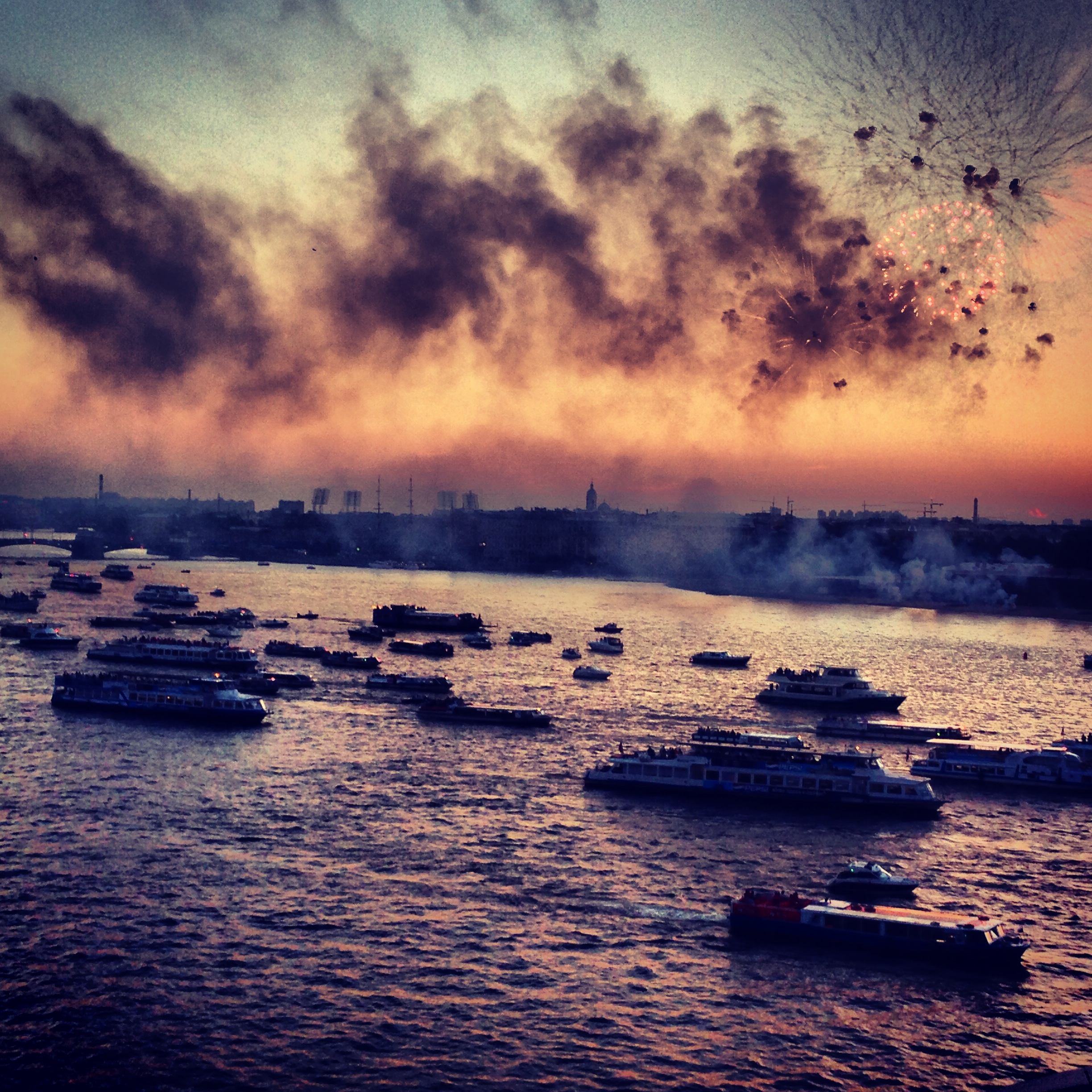
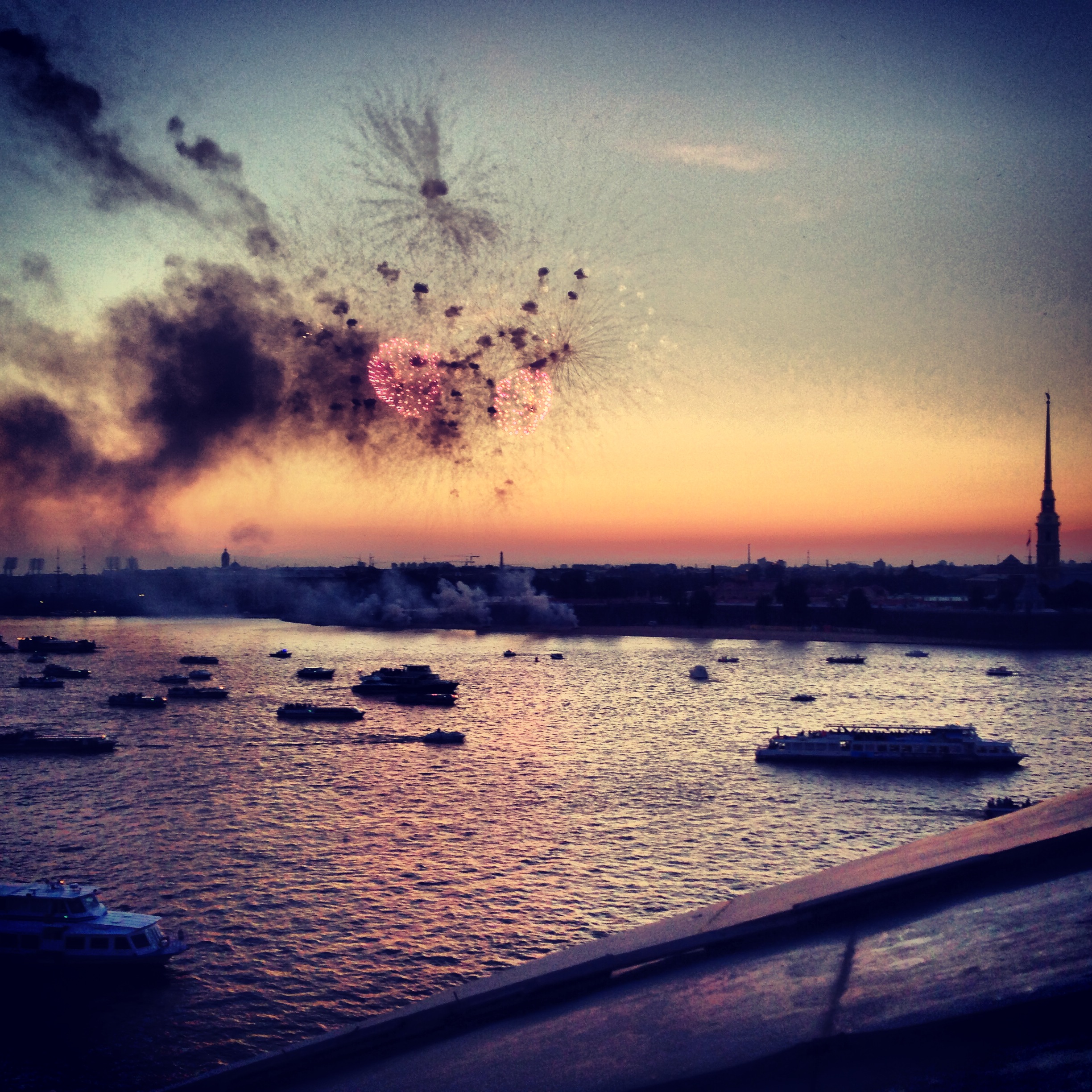
On every occasion when there are official fireworks in the city, we climb roofs which are close to the Neva river to have the best possible view.

IMG_1593IMG_1595IMG_1592IMG_1594 IMG_1546IMG_1547IMG_1598 IMG_1380IMG_1381IMG_1382IMG_1378

Demolition of the day: Archway tower and gyratory

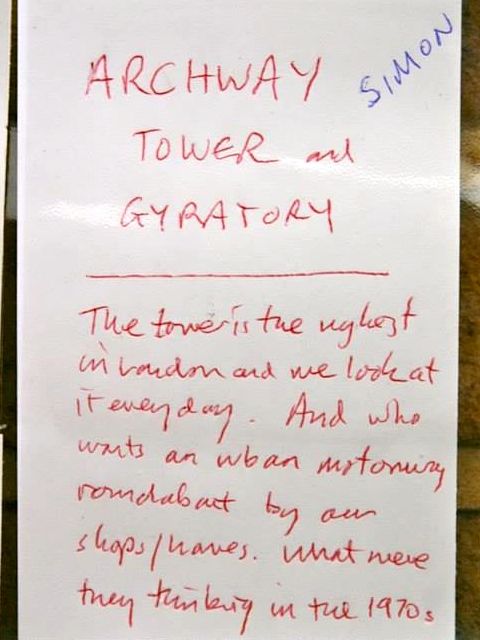
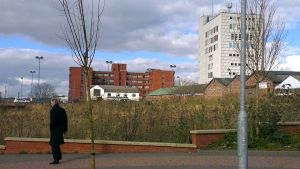
In August 2013, Simon demolished Archway Tower and Gyratory because:

The tower is the highest in London and we look at it every day. And who wants an urban motorway roundabout by our shops/homes. What were they thinking in the 1970s